Metro Train Safety: Dumb Ways to Die
Metro Train Safety wanted an urgent campaign to drastically reduce preventable train-related accidents, particularly among young people who ignored traditional safety messages. The challenge was to cut through apathy and make safety engaging, memorable, and shareable, without being preachy or fear-mongering. The brand needed to shift dangerous behaviors by making reckless actions near trains seem undeniably foolish, ultimately aiming to save lives and reduce incident rates.
Creative Idea
A catchy, animated song illustrated absurd ways to die, culminating in train safety.
Metro's 'Dumb Ways to Die' campaign ingeniously used darkly humorous, animated scenarios of absurd deaths, set to a catchy folk-pop song, to highlight the ultimate foolishness of unsafe train behavior. This approach worked by leveraging entertainment and virality to make a serious safety message memorable and shareable, cutting through traditional fear-based apathy.
The Catchy Folk Song That Saved Lives
From Flash Animation to Global Franchise
The production was a masterclass in efficiency, with animator Julian Frost completing the entire film in just five weeks using Adobe Flash and After Effects. The creative team at McCann Melbourne opted for a content model over traditional advertising, asking if the audience would "pay to own" the work. This philosophy led to the creation of iconic characters like Numpty, Hapless, and Dippy. Interestingly, the client, Metro Trains, pushed for more "violent" and absurd deaths during development, specifically requesting the scene involving a piranha and private parts to ensure the deaths felt truly ridiculous rather than tragic.
A Viral Safety Phenomenon
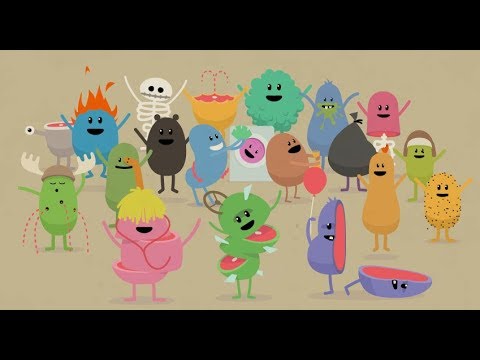 The campaign's impact went far beyond YouTube views. Within 24 hours of launch, the song reached the iTunes Top 10 in 24 countries. The track featured vocals by Emily Lubitz (performing as Tangerine Kitty) and was composed by Ollie McGill of the band The Cat Empire. The strategy worked - Metro Trains reported a 21% reduction in train - related accidents in the first year alone. The brand's longevity was cemented in 2021 when PlaySide Studios acquired the franchise for A$2.25 million, and again in 2023 when the song saw a massive resurgence as a TikTok meme.
Global Reach and Local Friction
While the campaign generated $50 million in earned media value, it faced unexpected hurdles. Russian authorities briefly restricted the video, fearing the cute animation might encourage suicide. Despite this, the digital ecosystem flourished, with the mobile app becoming the #1 game in 90 countries and recording over 6.5 billion unique plays. The campaign proved that dark humor could outperform "shock and awe" tactics for younger demographics.
Creative Strategy Deconstructed
Company
Metro, as a public transport provider, had the authority and responsibility to deliver critical train safety messages to the community.
Category
Traditional safety campaigns often relied on graphic imagery or stern warnings, which frequently led to audience desensitization and disengagement.
Customer
The audience, particularly younger demographics, tuned out conventional safety warnings but craved engaging, shareable content that entertained them.
Culture
The rise of viral content and short-form, shareable media on platforms like YouTube provided a perfect cultural context for an animated musical.
Company
Metro, as a public transport provider, had the authority and responsibility to deliver critical train safety messages to the community.
Category
Traditional safety campaigns often relied on graphic imagery or stern warnings, which frequently led to audience desensitization and disengagement.
Strategy:
Make critical safety information unforgettable by reframing danger through absurd, darkly humorous comparisons.
Customer
The audience, particularly younger demographics, tuned out conventional safety warnings but craved engaging, shareable content that entertained them.
Culture
The rise of viral content and short-form, shareable media on platforms like YouTube provided a perfect cultural context for an animated musical.
Strategy:
Make critical safety information unforgettable by reframing danger through absurd, darkly humorous comparisons.
Strategy Technique
Exaggerate to Reveal the Truth
By comically exaggerating numerous absurd, self-inflicted deaths, the campaign effectively highlights the preventable tragedy of train accidents as the ultimate "dumb way to die," making the serious message stand out.
Explore Technique
Creative Technique
Sing a song
The catchy, upbeat song makes the morbid topic engaging and memorable, allowing the campaign to deliver a serious safety message through an unexpected, entertaining format that sticks in the audience's mind.
Explore Technique
Craft Breakdown
This campaign's exceptional craft lies in its brilliant blend of animation and copywriting, creating a highly memorable and shareable public safety message that uses dark humor to engage a broad audience.
The simple, charming character design and smooth, expressive animation effectively convey a wide range of macabre scenarios with surprising cuteness, making the grim subject matter accessible and engaging.
The catchy, rhyming lyrics are witty, memorable, and deliver dark humor that makes the public safety message stick without being preachy or morbid.
The original folk-pop song is incredibly catchy and perfectly complements the animation, creating an earworm that reinforces the campaign's message.
The vibrant, flat color palette and minimalist design contribute to the whimsical, non-threatening aesthetic, which is crucial for handling the dark themes effectively.
“The campaign's genius comes from the perfect synergy between its light-hearted animation, catchy music, and darkly humorous lyrics, which together create a highly engaging and effective public safety announcement that became a viral phenomenon.”