Laut Gegen Nazis: Shoplefting
Laut Gegen Nazis tasked Jung von Matt with finding a way to stop the proliferation of coded neo-Nazi merchandise. The NGO needed a solution that bypassed ineffective legislative bans to directly impact the financial stability of right-wing organizations. The goal was to create a scalable, legal method to remove extremist apparel from the market and generate resources for the NGO's ongoing anti-extremism efforts.
Creative Idea
The NGO trademarked Nazi codes to legally seize and destroy extremist merchandise.
The NGO legally registered neo-Nazi codes as trademarks, transforming the hate symbols into intellectual property. This allowed them to force shops to destroy the merchandise and pay compensation, effectively weaponizing trademark law to bankrupt the funding sources of extremist organizations.
Weaponizing Trademark Law Against Extremist Profits
Turning Hate Symbols Into Liabilities
The campaign fundamentally shifted the economic landscape for neo-Nazi retailers by turning their own branding against them. By securing legal ownership of common extremist codes and symbols, Laut gegen Nazis transformed these items from profitable assets into legal liabilities. Once the trademarks were registered, the NGO could issue cease-and-desist orders to online marketplaces and physical retailers. This forced vendors to pull products from shelves and, in many cases, pay damages for trademark infringement. These settlements provided a direct, recurring revenue stream that the NGO reinvested into further legal actions and anti-extremism education programs.
Scaling the Legal Offensive
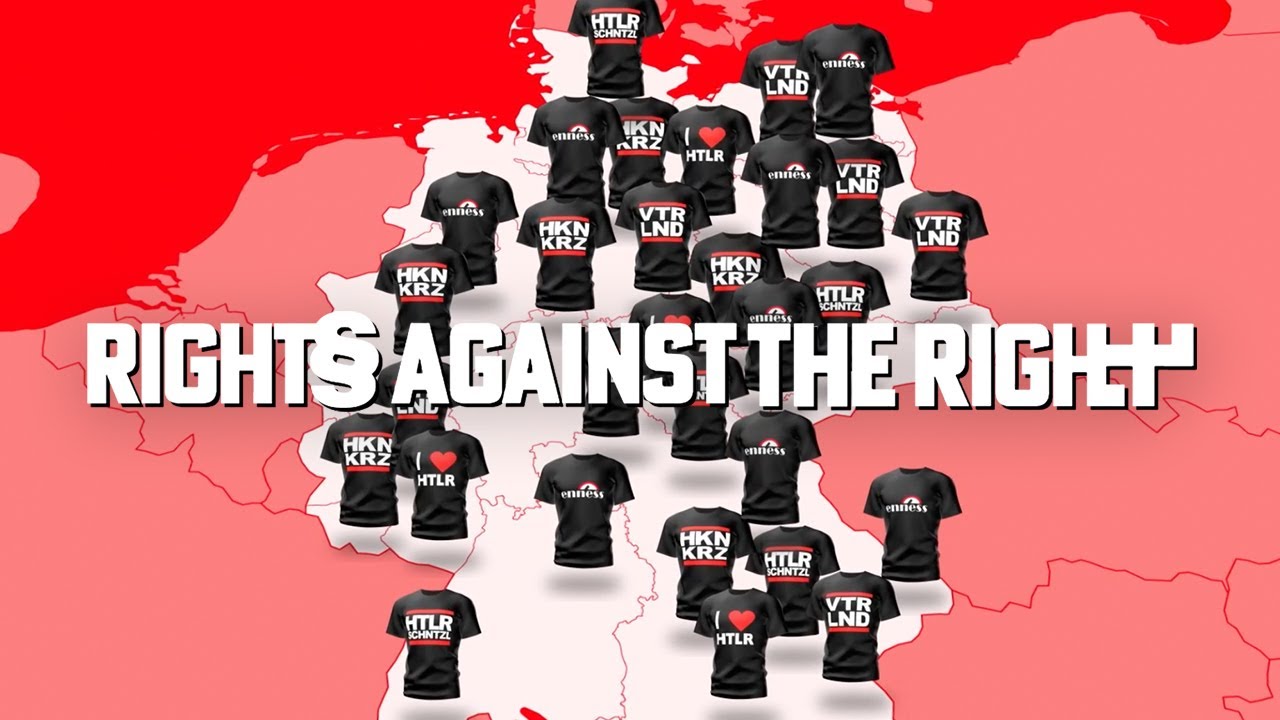
The strategy relied on the agility of Jung von Matt to navigate German intellectual property law. The team identified the most prevalent codes used by extremist groups and moved to register them before the groups themselves could claim them. This created a scalable "legal blockade" that effectively paralyzed the supply chain of right-wing apparel. By treating the neo-Nazi merchandise industry as a business entity, the agency was able to apply corporate litigation tactics to dismantle their distribution networks. The result was a significant reduction in the availability of extremist clothing across major German e-commerce platforms, effectively pricing the hate groups out of the market they had previously dominated.
Creative Strategy Deconstructed
Company
Laut Gegen Nazis leveraged its legal standing to register trademarks for extremist codes at the European Trademark Office.
Category
Anti-extremism groups typically rely on awareness campaigns and protests, which often fail to disrupt the actual funding of hate groups.
Customer
The public felt frustrated by the inability of lawmakers to stop the spread of racist ideology and Nazi merchandise.
Culture
The rise of online extremist commerce and the public desire for tangible, non-violent action against right-wing organizations fueled the response.
Company
Laut Gegen Nazis leveraged its legal standing to register trademarks for extremist codes at the European Trademark Office.
Category
Anti-extremism groups typically rely on awareness campaigns and protests, which often fail to disrupt the actual funding of hate groups.
Strategy:
Weaponize existing legal frameworks to disrupt the economic infrastructure of an extremist movement.
Customer
The public felt frustrated by the inability of lawmakers to stop the spread of racist ideology and Nazi merchandise.
Culture
The rise of online extremist commerce and the public desire for tangible, non-violent action against right-wing organizations fueled the response.
Strategy:
Weaponize existing legal frameworks to disrupt the economic infrastructure of an extremist movement.
Results
The campaign achieved a 2.2B media reach with 0 media budget. It generated a 117M social reach, and search requests for the NGO increased by +630%. All targeted Nazi shops reacted and removed the merchandise bearing the trademarked codes.
2.2B
media reach
117M
social reach
+630%
increase in search requests
Strategy Technique
Find the Missing Conversation
The campaign identified that while hate speech is often protected, trademark law is not. It exploited this legal blind spot to bypass legislative inaction and directly hit the movement's finances.
Explore Technique
Creative Technique
Invent a Complementary Product
The agency invented a legal weapon by registering the codes as trademarks. This turned the Nazis' own merchandise into a liability that could be legally seized and destroyed.
Explore Technique
Craft Breakdown
This campaign's brilliance lies in its innovative legal engineering, turning intellectual property law into a direct tool for social activism.
Using the systemic framework of European trademark law as a functional mechanism to dismantle extremist commerce.
The bold, high-contrast red and black graphic design unifies the case film and gives the activist brand a powerful identity.