Otvorena Kultura, a Slovak civic platform, needed to secure recurring donors to fight the Ministry of Culture's systematic dismantling of independent arts. Facing extreme scandal fatigue and a public that ignored traditional activism, TRIAD Bratislava was tasked with breaking out of the progressive bubble to engage ordinary citizens and convert passive sympathy into sustained financial support.
https://youtu.be/E570eoZcOCU
Why is this work relevant for Creative Strategy?
100 word limit
Culture+ reframed civic activism as entertainment. The only culture most Slovaks pay for monthly is Netflix, so we built them a new streaming service where every title was a real ministry scandal. Scandals became genre films with AI-generated characters resembling but never depicting real politicians; their actual names appeared only as the "cast" in plot descriptions, creating a permanent, accessible archive of abuses for ordinary people. AI made cinematic production possible on a non-profit budget for the first time. All on a €2,500 media spend: 6.2M reach in a 5.5M country, donations up 396%.
Brand Context
Please provide any brand and cultural context that would help the jury understand any cultural, national or regional nuances applicable to this work.
You should outline why this piece of work was created for this particular brand, in this market, at this particular moment in time, with all of the cultural and market conditions.
250 word limit
Since late 2023, Slovakia's Ministry of Culture has been systematically dismantling independent culture. The minister, a former TV presenter fired for racist posts and later employed by a Russian disinformation channel, replaced institutional directors with loyalists, defunded LGBTQ+ projects, politicized independent arts funding, and purged critical voices. Her deputy publicly questioned whether the Earth is round.
18,000 people marched. 400,000 signed petitions. Four parliamentary votes to remove her failed. She remains in charge.
The sheer volume of scandals created a paradox: each new outrage buried the previous one before the public could process it. Scandal fatigue set in. People stopped paying attention.
Otvorena Kultura (Open Culture) emerged as a non-partisan civic platform uniting artists, institutions and cultural workers fighting back. But it operated within a progressive bubble. Most Slovaks had never heard of it, and the platform lacked the recurring donors needed to sustain legal actions, protests and advocacy.
Slovakia is a small market (5.5 million people) where independent culture survives on minimal public funding, now under political attack. The cultural community views AI with deep skepticism, making our decision to use generative AI tools to defend artists a deliberate provocation that sparked national debate.
The timing was critical: November 2025 marked two years since the ministry's destructive leadership began. A growing archive of absurd, well-documented scandals provided rich material. The public needed a new way in, not another protest, but something they already understood: a streaming platform.
Summary of the work
Please provide a summary of your entry.
• Describe the background and context behind the work
• What creative challenges did the work face.
This should be an overview of the work and an analysis of its effectiveness. You should describe how the objectives of the campaign have been successfully met.
300 word limit
Slovakia's Ministry of Culture has been systematically destroying independent culture since late 2023. Otvorena Kultura (Open Culture), a non-profit civic platform, needed recurring donors to sustain its fight, but it was trapped inside a progressive bubble most Slovaks never encountered.
The creative challenge was twofold: break through political fatigue in a country overwhelmed by a constant stream of ministry scandals, and convert passive sympathy into monthly financial support.
The insight was disarmingly simple: the only culture most Slovaks willingly pay for every month is their streaming subscription. So we built them a new one.
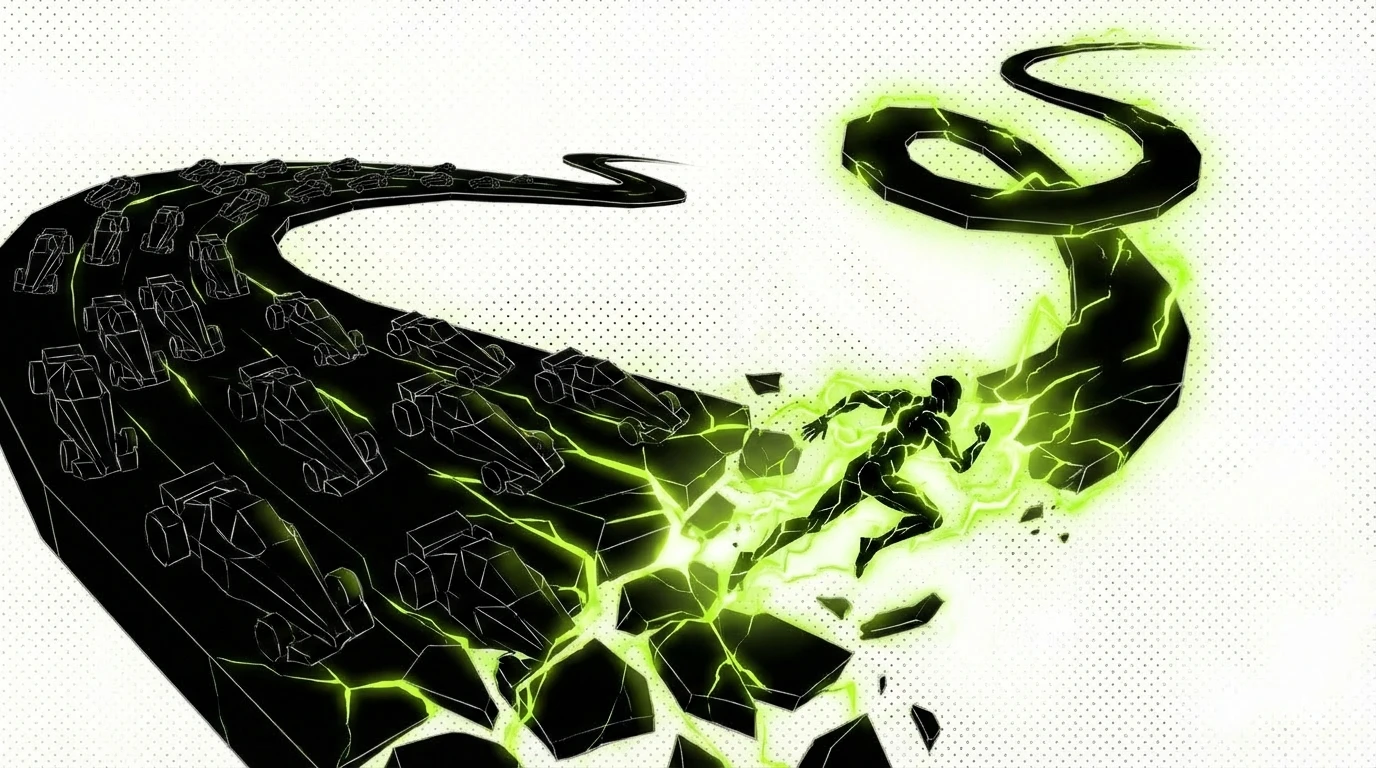
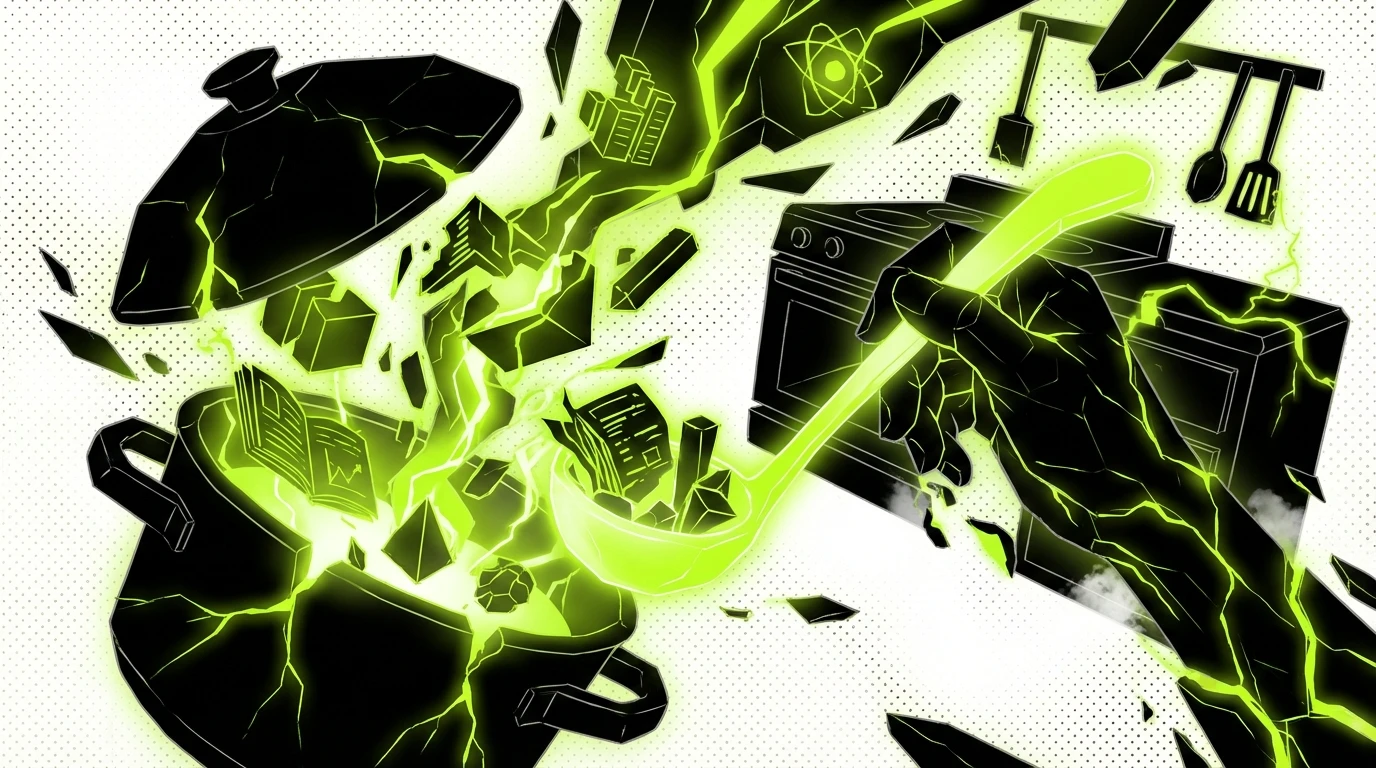
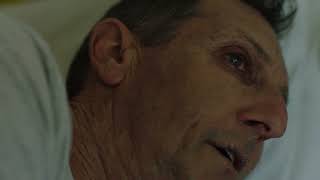
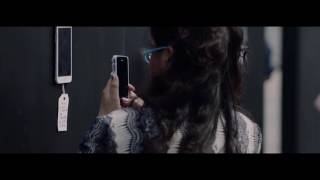
Culture+ is a satirical streaming platform where every title is based on a real Ministry of Culture scandal. We produced 14 cinematic trailers across different genres: action, sci-fi, horror, musical, documentary. AI-generated visuals featured characters that resembled but never depicted real politicians; their actual names appeared only in plot descriptions as the "cast" of each scandal, with each case explained in plain language for ordinary people. Actors from the Slovak National Theatre dubbed the trailers, giving AI-generated content emotional credibility and creating a productive tension between technology and artistry.
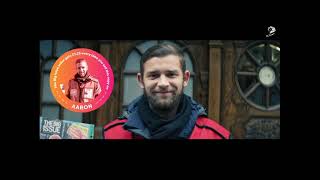
We launched it like a real streaming platform: teaser campaign, celebrity press conference, 100+ media placements, influencer takeovers, IMDb and CSFD listings, and screenings in actual cinemas.
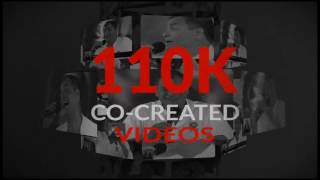
The results exceeded every objective. On awareness: 6.2 million reach in a country of 5.5 million, 2 million organic views, and €120,000 in earned media value. On sustained support: donations surged by 396%, with the campaign week shattering every previous fundraising record. The platform continues to grow as each new scandal becomes a new title, functioning as a permanent, accessible archive of ministerial abuses. Total media budget: €2,500.
Interpretation (30% of vote)
Explain clearly how you came to understand the brand’s challenge/objective:
• The business challenge the brand was facing
• Interpretation of the client needs and brand values
• Industry/target market
• The desired outcome
Otvorena Kultura is not a traditional brand. It is a civic platform born from crisis, fighting to protect Slovak culture from the very institution meant to support it.
The business challenge was existential: without recurring donors, the platform could not sustain legal actions, protests and advocacy against a ministry that had already survived four parliamentary no-confidence votes and 400,000 petition signatures.
The target market was broad Slovakia, not just the cultural community already engaged. Most ordinary Slovaks had never heard of Otvorena Kultura, and political fatigue meant traditional activist messaging would not break through.
The desired outcome was twofold: dramatically expand awareness beyond the progressive bubble, and convert that attention into sustained monthly donations.
We interpreted this not as a fundraising brief but as an entertainment challenge. The platform needed to stop asking people to care about culture and start giving them culture they already understood: streaming content.
Insight/Breakthrough Thinking (30% of vote)
Explain clearly the creative use of research, data or resources that lead to an original and compelling strategy:
• Outline the strategic process used to tackle the problem
• How did you arrive at the insight? Details here could include research, workshops, collaboration, data, audience / consumer / culture, etc.
• Internal/external challenges faced and how they were overcome
• The breakthrough moment
150 word limit
We started with a simple observation: Slovak culture is chronically underfunded, yet millions of Slovaks pay €10+ monthly for Netflix, HBO Max or Spotify without hesitation. Streaming is the one cultural subscription nobody questions.
This reframed the entire problem. We were not competing with other charities for donations. We were competing with entertainment platforms for a monthly commitment. The strategic shift: stop communicating like an NGO, start behaving like a streaming service.
The breakthrough came when we realized the ministry's scandals were already structured like entertainment. Each had characters, plot, conflict and absurdity. They just needed a genre.
The biggest internal challenge was AI. The cultural community deeply distrusts generative AI. But AI was the only way to produce cinematic trailers on a non-profit budget. Using the technology artists fear to defend those very artists created an irresistible paradox that became a story in itself, generating additional media coverage and public debate.
Creative Idea (20% of vote)
Consider the following when describing the creative idea:
• Does the work cross boundaries/have the ability to think beyond conventional boundaries or categories?
• Does the work evoke surprise/have the power to continue captivating attention?
• Does the work transcend the original challenge?
• Does the work incorporate breakthrough thinking?
• How the creative strategy directly influenced the creative execution?
150 word limit
Culture+ is a satirical streaming platform that turns political abuse into bingeable content. It crosses boundaries between activism, entertainment, technology and satire, creating a format that did not previously exist.
The creative strategy directly shaped execution: if we behave like a streaming service, we must look, launch and feel like one. 14 scandals became 14 genre films, each with AI-generated trailers dubbed by National Theatre actors, plot descriptions explaining real events, and real politicians listed as "cast" without ever using their likeness. But when you hit play on the actual film, the screen reads: "Cannot Play with the future of our culture," redirecting to a donation page.
The surprise was multilayered. First, people believed a new platform was launching. Then they discovered satire. Then every absurd plot turned out to be real. The platform transcends the original challenge: a living archive that grows with every new scandal.
Please tell us about the specific cultural insight that drove the nuanced engagement behind this work.
150 word limit
We repackaged real political abuses as streaming content, turning scandal fatigue into bingeable entertainment. The donation became just another subscription. Slovaks do not see themselves as culture supporters, yet they never cancel their Netflix. Streaming is the one cultural subscription nobody questions. Meanwhile, ministry scandals had become so frequent people stopped paying attention.
Was Artificial Intelligence (AI) used in the work or the entry materials?
If yes, you must disclose how it was used, considering the following:
What AI tools were used?
What was the extent of AI use in the final work?
What were the data sources or inputs for any AI-generated elements, and where did they originate?
AI in the final work:
All 14 cinematic trailers were generated using AI video and image tools: Google Nanobanna, Kling and Midjourney. AI created the visual worlds, characters and scenes for each genre film. Crucially, AI-generated characters resembled but never depicted real politicians. No real likenesses were used.
Human craft layered on top:
Every trailer was scripted, directed and edited by experienced TRIAD creatives. Actors from the Slovak National Theatre (including Tana Pauhofova and Lubos Kostelny) dubbed all trailers, adding emotional credibility to AI visuals. The platform itself was custom-built by the agency's development team.
Why AI was essential:
AI was the only way to achieve cinematic production quality on a non-profit budget of €2,500. Without generative AI, producing 14 genre-specific trailers would have been financially impossible. This created a deliberate strategic tension: using the technology artists distrust to defend those very artists, which itself became a media story.
Data sources:
AI inputs were text prompts written by the creative team, based on publicly documented ministry scandals. No private data, copyrighted material or real individuals' images were used as inputs.
 To maintain a rapid response to real - time political events, TRIAD Bratislava utilized Generative AI to produce cinematic trailers for the fictional streaming service. This allowed the team to visualize complex political abuses as movie genres - ranging from horror to absurdist comedy - without the massive budgets typically required for film production. The tech stack enabled the agency to turn a morning news cycle into a high - quality movie trailer by the evening, keeping the campaign's momentum tied to the live news cycle.