Sick Kids: Better Tomorrows
SickKids Foundation tasked JWT Canada with increasing donations by making the public deeply understand the daily struggles of critically ill children. The client sought to humanize these experiences, moving beyond generic appeals to inspire profound empathy and a sense of urgency among potential donors for life-saving support.
Creative Idea
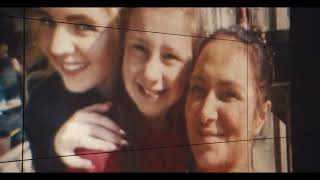
It showed real children's daily hospital struggles, contrasting their "tomorrow" with the viewer's "today."
SickKids' "Better Tomorrows" campaign humanized the profound struggles of critically ill children and their families by sharing their raw, real-time hospital journeys, effectively contrasting their uncertain "tomorrow" with the viewer's "today" to compel immediate, empathetic donations for hope and recovery.
Forty Five Days of Real Time Resilience
The death of sadvertising
This campaign is credited with dismantling the pity - porn trope that dominated charity advertising for decades. By shifting the narrative from helpless victims to resilient individuals, JWT Canada and director Mark Zibert created a strategic bridge to the later, even more aggressive SickKids VS platform. The production utilized a documentary style with up to three cameras positioned inches from families during their most vulnerable moments, including active surgeries and diagnoses.
A logistical broadcast feat
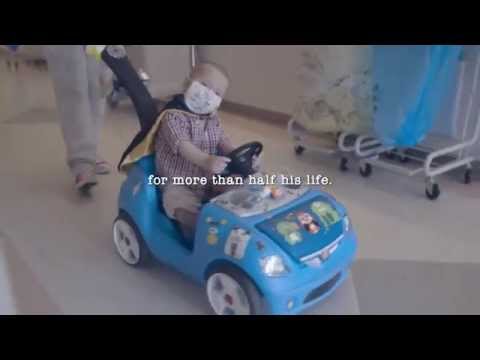 The agency achieved a massive media feat by producing and airing 45 unique 30 - second spots in 45 consecutive days. This required a relentless trafficking schedule to ensure a new story reached viewers every 24 hours. To maintain ethical standards, the foundation offered an opt - out clause allowing families to pull footage hours before airtime. Remarkably, none of the families ever exercised this right. The emotional connective tissue was provided by Coldplay, who notoriously guard their licensing but granted the use of Fix You specifically for this cause.
Record breaking donor response
The strategy resulted in $37 million raised in December 2014 alone, marking the highest single - month total in the hospital’s history and a 23% increase over previous records. Beyond the 88 million social impressions, research indicated a 13% lift in the public's general propensity to donate. The following year, the agency launched a sequel where users could unpause the lives of the 2014 patients on social media only after specific donation goals were met, further gamifying the path to a better tomorrow.
Creative Strategy Deconstructed
Company
SickKids credibly delivered authentic stories of children's battles and recoveries, showcasing their vital role in providing life-saving care and hope.
Category
Charity campaigns often use generic appeals or focus solely on positive outcomes, sometimes lacking the raw, immediate emotional depth.
Customer
The audience felt a desire to help vulnerable children, but needed a tangible, emotional connection to understand the urgency.
Culture
A growing cultural appreciation for authentic, unvarnished storytelling and a desire for direct, impactful contributions resonated deeply.
Company
SickKids credibly delivered authentic stories of children's battles and recoveries, showcasing their vital role in providing life-saving care and hope.
Category
Charity campaigns often use generic appeals or focus solely on positive outcomes, sometimes lacking the raw, immediate emotional depth.
Strategy:
Connect personal vulnerability with collective responsibility to inspire immediate, empathetic action.
Customer
The audience felt a desire to help vulnerable children, but needed a tangible, emotional connection to understand the urgency.
Culture
A growing cultural appreciation for authentic, unvarnished storytelling and a desire for direct, impactful contributions resonated deeply.
Strategy:
Connect personal vulnerability with collective responsibility to inspire immediate, empathetic action.
Strategy Technique
Make the Invisible Visible
The campaign vividly portrays the daily struggles and resilience of children battling severe illnesses in the hospital. By showing these unseen realities, it fosters profound empathy and urgency for donations.
Explore Technique
Creative Technique
Show, Don't Tell
The campaign visually presented the raw, daily realities of children battling severe illnesses in the hospital. This powerful visual storytelling fostered immediate empathy, allowing viewers to truly see their struggles and resilience.
Explore Technique
Craft Breakdown
The campaign's craft excels in its understated yet profound execution, meticulously blending naturalistic cinematography, emotionally resonant on-screen copywriting, and a unifying musical score to create a deeply empathetic and inspiring narrative.
The cinematography employs a naturalistic, intimate style with close-ups and subtle camera movements to capture the genuine emotions and quiet strength of the children and families within the hospital setting.
The concise, impactful on-screen text crafts emotionally resonant narratives from complex medical information, driving empathy and clearly articulating the call to action for each child's story.
The precise typography, including font selection, timing of appearance, and subtle animation of the on-screen text, meticulously guides the viewer through each child's story, enhancing emotional impact and narrative clarity.
The consistent, melancholic yet hopeful acoustic song provides a powerful emotional underscore, unifying diverse stories and enhancing the campaign's poignant and inspiring tone.
“The profound emotional impact stems from the seamless synergy between the intimate visuals, the deliberate on-screen text, and the evocative musical score.”