Organ Donor Foundation: Leila
The Organ Donor Foundation needed to increase donor registrations by making the personal impact of inaction undeniable. They aimed to shock a broad audience into understanding the direct, tragic consequences of not signing up, moving beyond passive awareness to active commitment.
Creative Idea
The campaign visually linked donor inaction to another's death, creating a stark, emotional consequence.
The campaign powerfully dramatized the direct, tragic consequence of not being an organ donor by visually linking a potential recipient's death to a non-donor's passing, using a haunting visual metaphor and a melancholic soundtrack to create a stark, unforgettable emotional impact that spurred action.
The Haunting Metaphor of the Girl in the Gown
A Spike in National Registrations
The impact of the film was immediate and measurable. In a country where only 0.2% of the population were registered donors at the time of launch, the Organ Donor Foundation reported a significant spike in registrations every time the commercial aired on national television. By the end of the initial flighting period, the influx of new donors was substantial enough to materially impact the foundation’s waiting lists. Beyond South Africa, the spot achieved global reach, garnering millions of views on YouTube and becoming a staple in international advertising showcases.
The Sound of Reciprocal Altruism
 The production’s emotional weight was anchored by a pivotal music choice - a haunting, choral cover of Kings of Leon’s "Use Somebody" by the Belgian girls' choir Scala & Kolacny Brothers. This ethereal arrangement allowed the film to bypass traditional "shock" tactics in favor of what industry experts call "Reciprocal Altruism." Copywriter Natalie Rose explained the strategy simply: "When someone who hasn't registered as an organ donor dies, they take others with them."
Authenticity in the Wreckage
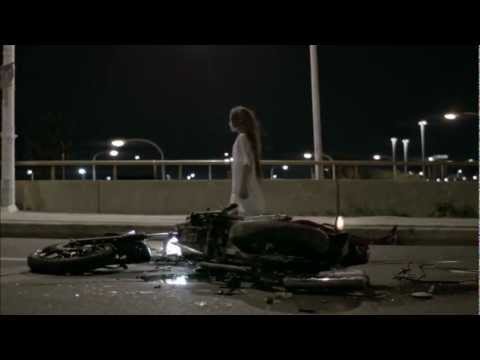
Director Tristyn Von Berg and the team at Velocity Films focused on stark realism to ground the metaphor. While lead actress Leila Arends was a child actor rather than a patient, the production team worked closely with the ODF to ensure her medical gown and the IV stand she drags through the motorcycle wreckage were medically authentic. This attention to detail emphasized the grim reality for those on transplant lists. The campaign is now frequently cited in textbooks as a masterclass in using poetic, visceral imagery to drive urgent social action on a limited budget.
Creative Strategy Deconstructed
Company
The Organ Donor Foundation possessed the moral authority to deliver a hard-hitting message about life-or-death choices.
Category
Organ donation campaigns often focused on hopeful stories of recipients, avoiding the stark reality of donor scarcity.
Customer
The audience felt a disconnect between organ donation and its direct, personal impact, often delaying the decision.
Culture
A cultural shift towards more direct, emotionally impactful messaging allowed for a less sanitized approach to death.
Company
The Organ Donor Foundation possessed the moral authority to deliver a hard-hitting message about life-or-death choices.
Category
Organ donation campaigns often focused on hopeful stories of recipients, avoiding the stark reality of donor scarcity.
Strategy:
Reframe inaction as a direct, visible loss to compel immediate action.
Customer
The audience felt a disconnect between organ donation and its direct, personal impact, often delaying the decision.
Culture
A cultural shift towards more direct, emotionally impactful messaging allowed for a less sanitized approach to death.
Strategy:
Reframe inaction as a direct, visible loss to compel immediate action.
Strategy Technique
Make the Invisible Visible
The campaign made the abstract, invisible consequence of donor inaction - a potential recipient's death - starkly visible and emotionally resonant. It transformed a statistical problem into a deeply personal tragedy.
Explore Technique
Creative Technique
Dramatize the Problem
The ad starkly illustrates the tragic outcome of not being an organ donor, making the abstract problem of inaction feel intensely personal. It transforms a societal issue into a direct, emotional consequence for the viewer.
Explore Technique
Craft Breakdown
This campaign's craft excels in its powerful use of music and narrative to deliver a profound message, making the abstract concept of organ donation deeply personal and urgent.
The haunting, stripped-down cover of 'Somebody That I Used to Know' perfectly underpins the ad's somber tone and amplifies the emotional impact of the narrative, giving a new, literal meaning to the lyrics at the climax.
The cinematography uses evocative night shots, deliberate camera movements, and impactful framing to create a sense of melancholy and foreboding, drawing the viewer into the stark reality of the accident scene.
The minimalist and realistic art direction, particularly the contrast of the girl's pure white nightgown against the dark, gritty asphalt, powerfully symbolizes innocence lost and the cold finality of the scene.
The concise and sharp on-screen text delivers a devastatingly effective message, re-contextualizing the entire preceding visual narrative into a direct and unforgettable call for organ donation.
“The emotional weight of the music, combined with the stark visuals and the impactful on-screen text, creates a powerful and cohesive narrative that resonates deeply with the audience.”