Google: Google Mountain View - Google Tilt Brush
Google needed to prove that virtual reality was more than just a platform for gaming. They aimed to position Tilt Brush as a professional creative tool for artists, animators, and designers. The goal was to drive adoption among the creative community and demonstrate the software's intuitive power to a mainstream audience through the eyes of respected industry titans.
Creative Idea
Used mixed-reality filming to show world-class artists painting inside their own 3D creations.
Google transformed virtual reality from a gaming novelty into a professional canvas by inviting world-class artists to create in 3D, using innovative mixed-reality filming to bridge the gap between the headset experience and the 2D screen.
Stepping Into the Paper with Legal Acid
A Masterclass in Mixed Reality
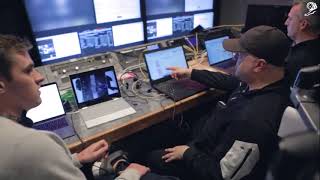
To solve the "VR problem" - the inability to show a 3D experience on a 2D screen - the Google Data Arts Team pioneered a custom mixed-reality filming pipeline. By using a physical camera tracked in virtual space against a green screen, they composited artists into their creations in real-time. This tech allowed the world to see Glen Keane, the legendary animator behind *The Little Mermaid*, literally step inside his drawings. Tech Lead Jeff Nusz famously described the sensation as "legal acid," noting that the art feels "realer than you expect" once it manifests around you.
From Disney Legends to Street Artists
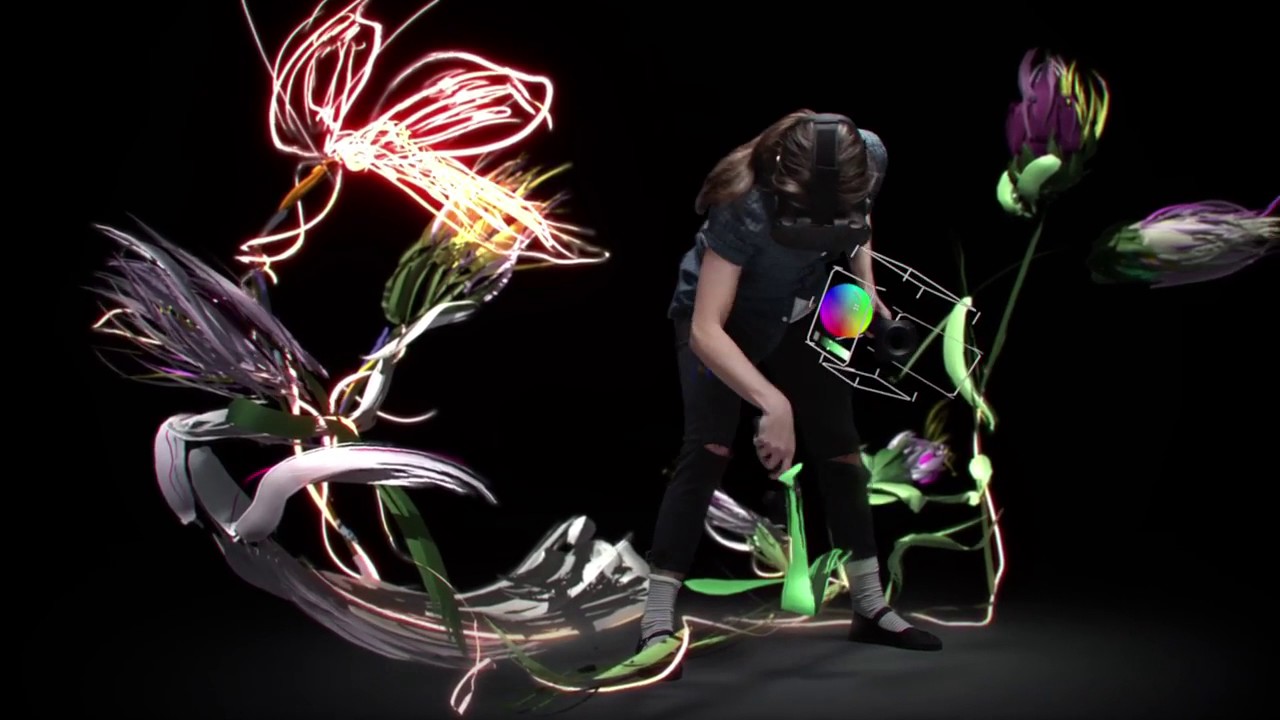 The Artist in Residence (AiR) program was the campaign’s backbone, proving the tool's 30-minute learning curve. The roster featured a collision of disciplines: Justin Roiland (*Rick and Morty*), iconic graphic designer Susan Kare, and calligraffiti artist eL Seed. Portrait artist Jonathan Yeo even used the software to bridge the gap between digital light and physical weight, creating the first large-scale 3D-printed bronze sculpture sourced entirely from a virtual sketch.
The Fire Brush Bug
The campaign’s cultural footprint extended to *The Tonight Show Starring Jimmy Fallon*, reaching millions of non-gamers. One of the most popular features showcased in these demos, the "Fire" brush, was actually born from a coding bug in the particle system. The developers found the glitch so visually arresting they kept it as a core feature. Since its 2016 launch on SteamVR, the project has transitioned into an open-source legacy, ensuring the tool remains a permanent fixture in the creative community long after its initial marketing push.
Creative Strategy Deconstructed
Company
Sophisticated VR software and internal creative engineering teams capable of redefining digital artistry.
Category
Treated VR as a gaming gimmick with limited practical or creative application for professional artists.
Customer
Professional creators sought to break free from the flat constraints of traditional 2D digital design tools.
Culture
The emergence of high-end VR hardware created a massive hunger for meaningful, non-gaming creative content.
Company
Sophisticated VR software and internal creative engineering teams capable of redefining digital artistry.
Category
Treated VR as a gaming gimmick with limited practical or creative application for professional artists.
Strategy:
Validate a new medium by empowering elite practitioners to redefine its creative boundaries through high-utility tools.
Customer
Professional creators sought to break free from the flat constraints of traditional 2D digital design tools.
Culture
The emergence of high-end VR hardware created a massive hunger for meaningful, non-gaming creative content.
Strategy:
Validate a new medium by empowering elite practitioners to redefine its creative boundaries through high-utility tools.
Results
The campaign achieved massive cultural footprint and industry adoption, garnering millions of views across YouTube and social media for its 'Visual Art Sessions.' The Artist in Residence (AiR) program successfully onboarded over 60 professional artists, including legends like Glen Keane and Susan Kare. A critical efficiency metric proved the tool's intuitive design, with professionals requiring only 30 minutes of acclimation to become proficient. The campaign reached a mainstream audience of millions via a feature on *The Tonight Show Starring Jimmy Fallon*. It secured prestigious industry accolades including two Gold Cannes Lions (Innovation and Digital Craft), the Unity Award for Best VR Experience, and the Oculus Quest VR Creativity Tool of the Year. The project culminated in an open-source legacy following its 2016 launch, ensuring long-term community development.
2 Gold
Cannes Lions (Innovation & Digital Craft)
60+
Professional Artists in Residence
30 min
Learning curve for professional proficiency
Strategy Technique
Build an Utility, Not an Ad
Instead of traditional advertising, Google developed a functional professional tool and fostered a community of creators, proving the product's value through its actual output and utility in the art world.
Explore Technique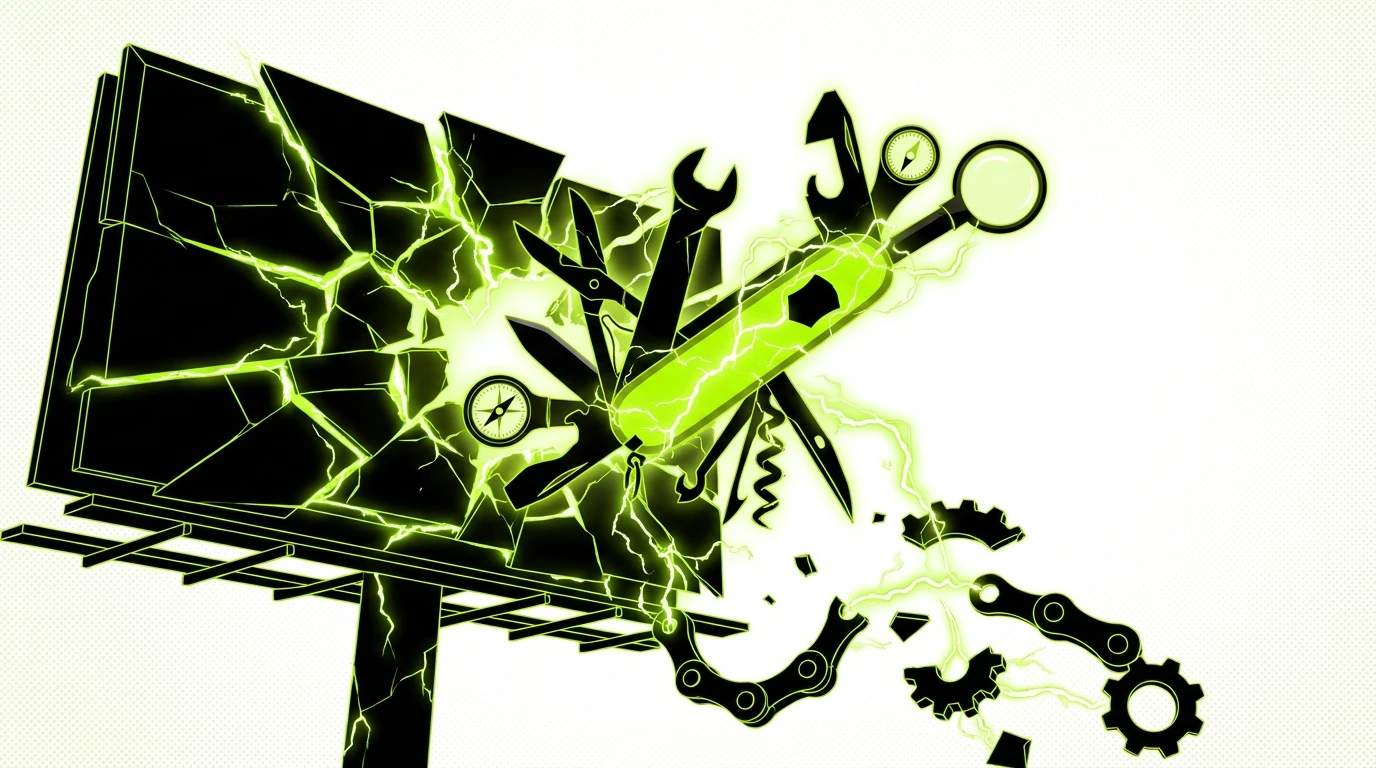
Creative Technique
Show, Don't Tell
By pioneering mixed-reality filming, Google allowed viewers to see the artist inside their creation, proving the tool's immersive power through direct visual evidence rather than just describing the virtual experience.
Explore Technique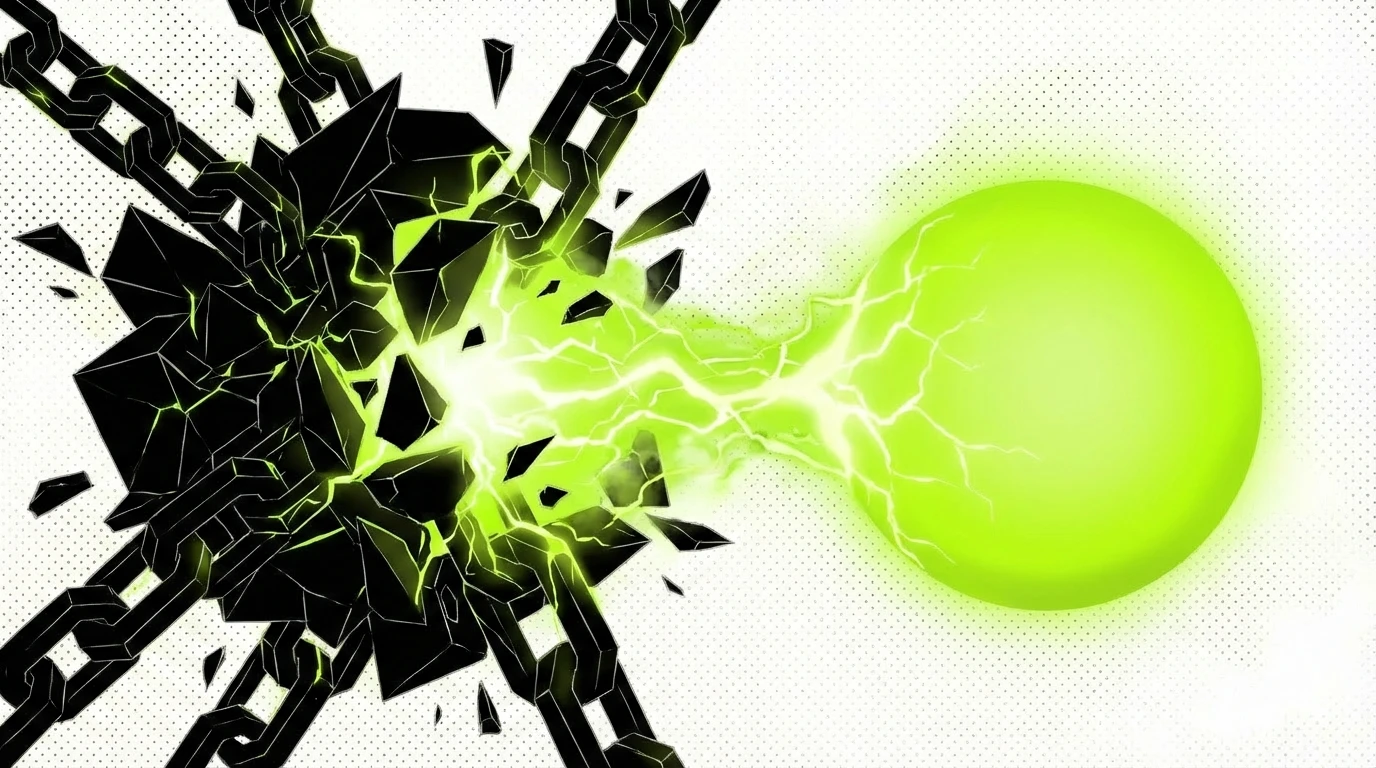
Craft Breakdown
Google solved the 'VR visibility problem' by pioneering a mixed-reality filming pipeline that allowed 2D audiences to witness the 3D creative process in real-time.
The creation of a custom mixed-reality pipeline using tracked physical cameras to composite artists into virtual environments.
Developed a 3D printing pipeline to convert virtual 'light' strokes into manifold meshes for physical bronze casting.
Leveraging industry legends like Glen Keane to demonstrate how traditional 2D skills translate into a 3D 'professional canvas'.
The 'Artist in Residence' program and live performances for brands like Prada turned software testing into a high-art spectacle.
“The magic lies in the synergy between cutting-edge VR engineering and traditional fine art, proving that high-tech tools can feel as intuitive as a physical paintbrush.”