Burger King: The Moldy Whopper
Burger King wanted to dramatically communicate their global removal of 8,500 tons of artificial preservatives over three years. The brand needed to challenge fast-food quality perceptions and send a strong message to the industry about natural ingredients. The client tasked INGO Stockholm, DAVID Miami, and Publicis Bucharest with creating a campaign that would undeniably prove their commitment to real food, aiming to shift consumer trust and industry standards.
Creative Idea
Burger King filmed a Whopper decomposing to prove they removed artificial preservatives.
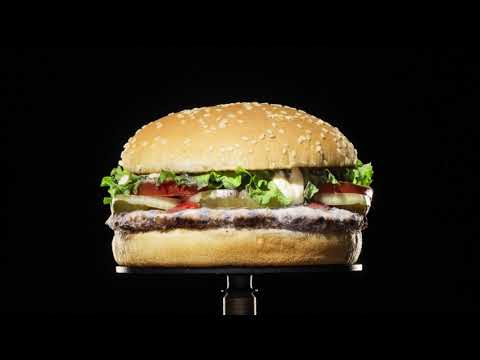
Burger King created a shocking campaign showing their Whopper growing mold over 35 days to prove they removed artificial preservatives from their food. By filming a burger visibly rotting, they dramatically demonstrated their commitment to more natural ingredients and challenged perceptions about fast food quality.
The Beauty of Real Food Getting Ugly
The 34 Day Rot Experiment
To capture the perfect decay, the production team at Colony and photographer Pål Allan avoided all digital "gross-up" effects or artificial food styling. Instead, they ran simultaneous "rot tests" in Sweden, Miami, and Spain to account for different humidity levels. While the final film shows the burger decomposing over 34 days, some print assets featured Day 35. The jarring visual was paired with the 1959 soul classic "What a Difference a Day Makes" by Dinah Washington, creating a hauntingly beautiful contrast to the mold.
A Five Year Wait for Transparency
 Global CMO Fernando Machado revealed that the creative idea had been pitched years earlier. However, he refused to greenlight the project until the supply chain was 100% free of artificial preservatives to ensure the claim was legally and ethically sound. This radical honesty was a direct strike against the "immortal burger" myth - the viral phenomenon of McDonald’s burgers that famously refused to rot for years due to preservatives.
Defying the Golden Rule of Taste
The campaign famously broke the industry's "Golden Rule" of food advertising: always maintain taste appeal. Despite internal fears of "brand suicide," the strategy worked. The campaign generated 8.4 billion organic impressions and a $40 million Earned Media Value. More importantly, it drove a 14% increase in sales and a 400% boost in awareness regarding Burger King's ingredient changes. Research from YouGov even showed a 22.8% increase in "consideration to visitation" rates, proving that for modern consumers, transparency is more appetizing than perfection.
Creative Strategy Deconstructed
Company
Burger King successfully removed 8,500 tons of artificial preservatives globally, providing a massive, verifiable product truth. This operational shift allowed the brand to claim a health-conscious high ground previously unavailable to major burger chains.
Category
Fast-food advertising is defined by 'immortal' burgers that look perfect for months, creating a cynical expectation of synthetic ingredients. Competitors rely on artificial food styling to hide the reality of highly processed products.
Customer
Modern diners are increasingly paranoid about 'franken-food' and the health implications of chemical stabilizers. They value transparency over perfection and want tangible proof that their food is actually perishable and real.
Culture
A societal shift toward radical honesty and 'ugly' authenticity has replaced the desire for polished, plastic perfection. The 'clean label' movement has moved from niche health stores into the mainstream consciousness.
Company
Burger King successfully removed 8,500 tons of artificial preservatives globally, providing a massive, verifiable product truth. This operational shift allowed the brand to claim a health-conscious high ground previously unavailable to major burger chains.
Category
Fast-food advertising is defined by 'immortal' burgers that look perfect for months, creating a cynical expectation of synthetic ingredients. Competitors rely on artificial food styling to hide the reality of highly processed products.
Strategy:
Embrace the visual repellent of decay to authenticate the brand’s shift toward real food and away from industry artificiality.
Customer
Modern diners are increasingly paranoid about 'franken-food' and the health implications of chemical stabilizers. They value transparency over perfection and want tangible proof that their food is actually perishable and real.
Culture
A societal shift toward radical honesty and 'ugly' authenticity has replaced the desire for polished, plastic perfection. The 'clean label' movement has moved from niche health stores into the mainstream consciousness.
Strategy:
Embrace the visual repellent of decay to authenticate the brand’s shift toward real food and away from industry artificiality.
Strategy Technique
Break a Category Convention
Fast food is conventionally expected to last unnaturally long. Burger King broke this norm by showing their Whopper naturally decomposing, challenging industry standards.
Explore Technique
Creative Technique
Conduct an Experiment
They filmed a Whopper rotting over 35 days. This experiment undeniably proved their claim of removing artificial preservatives.
Explore Technique
Craft Breakdown
This campaign's craft is exceptional due to its bold and unconventional approach to food advertising, leveraging meticulous time-lapse cinematography and sound design to create a visually arresting and emotionally resonant message.
The time-lapse photography meticulously captures the intricate and visually striking process of mold growth on the burger, transforming an unappetizing subject into a compelling visual spectacle.
The decision to showcase a decaying burger against a minimalist black background is a daring and effective art direction choice, forcing viewers to confront the reality of food without artificial preservatives.
The juxtaposition of the soulful, melancholic jazz song with the visual decay creates a powerful emotional resonance, making the uncomfortable subject surprisingly poetic.
The smooth, controlled time-lapse editing ensures the gradual, yet impactful, transformation of the burger is clearly communicated, building tension and then surprise for the final reveal.