ANZ Bank: Pocket Money - Equal Future
ANZ Bank wanted to strengthen its reputation among women and younger demographics by championing financial equality. TBWA\Melbourne was tasked with making the abstract 18.8% gender pay gap feel personal and urgent. The goal was to spark a national conversation around International Women's Day, positioning the bank as a leader in social purpose and financial wellbeing for all Australians.
Creative Idea
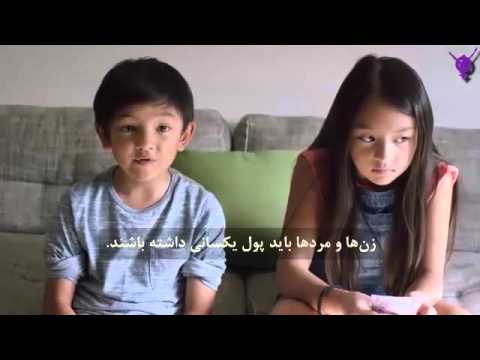
Paid siblings different amounts for identical chores to capture their raw shock at inequality.
ANZ highlighted the absurdity of the gender pay gap by conducting a social experiment where children were paid unequally for the same chores, using their raw, unscripted reactions to make a complex economic issue visceral and undeniably unfair.
The Viral Experiment That Made Inequality Personal
Documenting Unscripted Outrage
To capture the raw authenticity that fueled the campaign, Director Celeste Geer and DOP Katie Milwright utilized a minimalist, documentary-style set. The children were never briefed on the campaign's purpose; they were simply asked to perform chores like sweeping and car washing. Their genuine shock and anger upon receiving unequal pay provided the "cute but cutting" footage that resonated globally. This approach marked a strategic pivot for ANZ, as Group GM of Marketing Louise Eyres noted that the bank had shifted from making traditional commercials to producing long-form social films.
Global Reach and Real Policy
The experiment achieved a staggering 1.12 billion impressions and reached 112 million people within its first 12 days. While the "Pocket Money" film featured non-actors, the broader #equalfuture platform was anchored by heavyweights like Australia’s first female Prime Minister Julia Gillard, tennis legend Martina Navratilova, and Academy Award-winning director Jane Campion, who helmed the initial brand film.
Beyond Femvertising
The campaign succeeded by translating a dry statistic - the 18.8% national gender pay gap - into a visceral experience. It moved beyond marketing into corporate advocacy, as ANZ backed the message with internal policy changes. This included paying superannuation on paid parental leave for its employees to address the "retirement gap." The "If I Don't Forget" boy, who promised to change the world when he grew up, became a viral symbol of the "innocent ally," helping the hashtag #equalfuture trend globally on International Women's Day.
Creative Strategy Deconstructed
Company
A major bank with established commitments to female financial wellbeing and internal policies supporting gender equality.
Category
Banks typically focus on dry financial data or generic empowerment messages that fail to spark emotional engagement.
Customer
Women and families who felt the pay gap was an abstract, distant issue rather than a personal injustice.
Culture
Growing global frustration regarding systemic gender inequality and the specific timing of International Women's Day.
Company
A major bank with established commitments to female financial wellbeing and internal policies supporting gender equality.
Category
Banks typically focus on dry financial data or generic empowerment messages that fail to spark emotional engagement.
Strategy:
Use the innate sense of fairness in children to expose the irrationality of systemic adult inequality.
Customer
Women and families who felt the pay gap was an abstract, distant issue rather than a personal injustice.
Culture
Growing global frustration regarding systemic gender inequality and the specific timing of International Women's Day.
Strategy:
Use the innate sense of fairness in children to expose the irrationality of systemic adult inequality.
Strategy Technique
Attack a Cultural Blind Spot
While adults often rationalize the pay gap with complex excuses, the campaign used the moral clarity of children to expose it as a fundamental injustice that society has quietly accepted.
Explore Technique
Creative Technique
Conduct an Experiment
By using children in a controlled chore-based experiment, the campaign stripped away corporate jargon, making the inherent unfairness of the gender pay gap impossible to ignore through genuine, emotional reactions.
Explore Technique
Craft Breakdown
The ad's power lies in its simple yet effective social experiment and the authentic, unscripted reactions of children to highlight a complex societal issue.
The children's natural and candid reactions provide the emotional core and authenticity of the message.
The on-screen text is minimal but punchy, framing the experiment perfectly for the viewer.