Carlings: Address the Future
Carlings wanted to address the environmental impact of fast fashion, particularly for social media users constantly seeking new outfits. The brand needed a creative solution to engage a young, fashion-conscious audience who desired fresh looks without contributing to textile waste. The challenge was to position Carlings as an innovative, sustainable leader by offering a digital alternative for online style expression. They aimed to provide a virtual experience that replaced the need for physical garments.
Creative Idea
Carlings created digital clothing for social media, allowing sustainable style expression without physical garments.
Carlings created a digital clothing collection that allows people to wear virtual outfits on social media, solving the environmental waste problem of constantly buying new clothes for online posts. By offering digitally fitted clothing that exists only in photos, the brand provided a sustainable way for people to express their style online without producing physical garments.
Dressing the Future with Zero Impact Tailoring
The 10 Percent Paradox
The campaign targeted a specific cultural shift: research showed that nearly 10% of shoppers were buying clothes solely for social media photos and returning them immediately. To combat this "buy - photo - return" cycle, Virtue Nordic and Carlings looked toward the gaming industry. CEO Ronny Mikalsen noted that since consumers were already buying "skins" in Fortnite, the brand could offer a similar digital-only value proposition for real-life humans.
Digital Tailors and Green Rendering
The production relied on Marvelous Designer, a 3D software typically reserved for high-end animation and video games. Customers uploaded photos of themselves, which were then processed by a team of digital tailors. These artists manually manipulated 3D blueprints to match the customer's pose and lighting, ensuring the final image looked indistinguishable from a physical garment. To maintain quality, the brand limited sales to just 16 pieces per day. Even the electricity used for rendering was sourced from green energy to uphold the "0% negative impact" promise.
Global Reach and Influencer Support
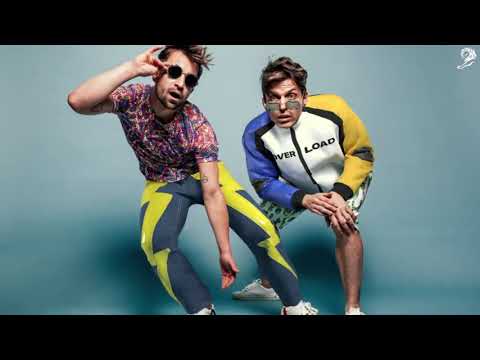
The collection featured high-profile talent like Swedish rapper Silvana Imam and artist Arvida Byström. Despite a modest price point between €10 and €30, the collection sold out within one week and reached customers in over 30 countries. The initiative drove a 56% increase in web traffic and pushed Carlings to the top of Google search results for fashion innovation without any spend on Adwords. Following this success, the team launched a "phygital" sequel called the Last Statement T-shirt, which used AR filters to change designs digitally on a physical garment.
Creative Strategy Deconstructed
Company
Carlings leveraged its reputation as a progressive Nordic retailer to create a zero-waste product line existing solely in the digital space. This enabled them to offer fashion-forward designs without the environmental overhead of traditional manufacturing.
Category
The fashion category traditionally focuses on physical sales volume, perpetuating a cycle of overconsumption and textile waste. Sustainability efforts usually involve material tweaks rather than reimagining the fundamental need for physical garments in digital spaces.
Customer
Gen Z consumers face a 'paradox of style' where they need constant outfit novelty for social media but feel guilty about environmental impact. They want the 'clout' of new fashion without the carbon footprint of fast-fashion consumption.
Culture
The rise of digital identities and the 'Instagram vs. Reality' tension created a moment where virtual clothing became a viable status symbol. This aligned with a growing global demand for radical sustainability solutions in the face of climate change.
Company
Carlings leveraged its reputation as a progressive Nordic retailer to create a zero-waste product line existing solely in the digital space. This enabled them to offer fashion-forward designs without the environmental overhead of traditional manufacturing.
Category
The fashion category traditionally focuses on physical sales volume, perpetuating a cycle of overconsumption and textile waste. Sustainability efforts usually involve material tweaks rather than reimagining the fundamental need for physical garments in digital spaces.
Strategy:
Decouple fashion expression from physical production to resolve the tension between digital vanity and environmental responsibility.
Customer
Gen Z consumers face a 'paradox of style' where they need constant outfit novelty for social media but feel guilty about environmental impact. They want the 'clout' of new fashion without the carbon footprint of fast-fashion consumption.
Culture
The rise of digital identities and the 'Instagram vs. Reality' tension created a moment where virtual clothing became a viable status symbol. This aligned with a growing global demand for radical sustainability solutions in the face of climate change.
Strategy:
Decouple fashion expression from physical production to resolve the tension between digital vanity and environmental responsibility.
Strategy Technique
Build an Utility, Not an Ad
Carlings created a digital clothing collection as a functional tool. This utility directly solved the environmental problem of fast fashion for social media users.
Explore Technique
Creative Technique
Cutting-edge Tech
Carlings utilized digital fitting technology to create virtual outfits. This bleeding-edge tech solved the real problem of textile waste for social media fashion.
Explore Technique
Craft Breakdown
The campaign's craft is exceptional in its seamless blend of real-world documentary-style footage, sophisticated CGI, and UI/UX design to articulate a complex problem and an innovative digital solution for sustainable fashion. The execution across diverse media is highly impressive.
The seamless integration of 3D digital clothing onto real-world photographs, including realistic fabric simulations and lighting, is crucial and exceptionally well-executed.
The editing skillfully juxtaposes disparate visual elements—from environmental damage to high-fashion selfies and technical demonstrations—creating a compelling narrative flow and emphasizing the core message effectively.
The sound design enhances the emotional journey, using atmospheric electronic sounds for the paradox, harsh industrial noises for environmental impact, and clean, tech-inspired sounds for the digital solution.
The campaign establishes a distinct and cohesive aesthetic that balances a futuristic, tech-forward look with gritty realism, effectively communicating both the urgency of the problem and the innovation of the solution.
“The magic of this campaign truly comes from the combined power of visual effects, editing, sound design, and art direction, which together create a cohesive, impactful, and visually striking story that transcends traditional advertising.”