Mark Ecko: Air Force One
Mark Ecko sought to dramatically increase brand relevance and cultural cachet among rebellious youth. The challenge was to generate significant buzz and media attention for the Mark Ecko brand with a limited budget, by connecting with an anti-establishment spirit.
Creative Idea
Faking graffiti on Air Force One sparked a national debate.
Mark Ecko staged a fake graffiti attack on a decommissioned Air Force One replica, then leaked the footage online, sparking a national debate and leveraging the media's hunger for sensational news to amplify his brand's rebellious, street-art ethos.
The Five Dollar Can of Paint That Rattled the Pentagon
The Birth of Droga5 and Viral Patient Zero
Launched in April 2006, this stunt served as the explosive debut for Droga5. Before "viral video" was a standard industry term, founder David Droga and director Randy Krallman of Smuggler NY sought to "turn the system on itself." The campaign achieved massive global reach with a $0 TV media spend, relying entirely on the media's hunger for sensationalism. Within 24 hours, the footage was the most discussed content on over 3,500 websites, eventually drawing over 23 million unique visits to the campaign site.
Engineering a Presidential Security Breach
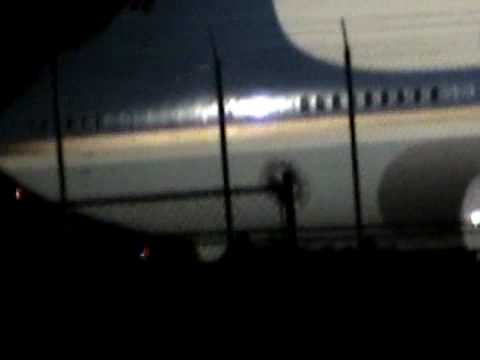 To achieve total authenticity, the production team rented a decommissioned Boeing 747 cargo jet at San Bernardino International Airport. They meticulously repainted one side to match the VC-25A livery, including the presidential seal. The "tagging" was filmed through a chain-link fence using a handheld camera to mimic grainy security footage. To trigger a national response, the video was "leaked" to 20 different blogs simultaneously. The illusion was so convincing that the Pentagon issued three separate official denials, and the U.S. Air Force conducted a physical inspection of the real Air Force One at Andrews Air Force Base.
Finding the Foil in the Post-9/11 Era
The campaign tapped into deep-seated anxieties regarding national security to restore "street cred" to the Ecko brand. While the video appeared to be a pure brand statement, it was strategically designed to promote the video game "Marc Ecko's Getting Up: Contents Under Pressure." Aviation enthusiasts eventually debunked the hoax by noting the fake plane lacked specific communications antennas on the roof. Ultimately, Marc Ecko had to post a legal disclaimer to avoid prosecution for inciting federal crimes.
Creative Strategy Deconstructed
Company
Mark Ecko's brand was inherently rebellious, rooted in street art and urban culture, giving it credibility for such a provocative act.
Category
The fashion and advertising categories often played safe, but this campaign broke conventions by creating a controversial, real-world event.
Customer
The target audience - youth - craved authentic rebellion and enjoyed seeing authority challenged in a clever, impactful way.
Culture
The post-9/11 era had heightened security concerns, making the act more shocking, while the nascent viral media landscape amplified its reach.
Company
Mark Ecko's brand was inherently rebellious, rooted in street art and urban culture, giving it credibility for such a provocative act.
Category
The fashion and advertising categories often played safe, but this campaign broke conventions by creating a controversial, real-world event.
Strategy:
Leverage cultural tension to create a viral, rebellious statement that challenges established norms.
Customer
The target audience - youth - craved authentic rebellion and enjoyed seeing authority challenged in a clever, impactful way.
Culture
The post-9/11 era had heightened security concerns, making the act more shocking, while the nascent viral media landscape amplified its reach.
Strategy:
Leverage cultural tension to create a viral, rebellious statement that challenges established norms.
Strategy Technique
Start With a Tension
The campaign tapped into the tension between youth culture's rebellious spirit and symbols of authority. It provoked a national conversation by challenging a sacred icon, resonating with an anti-establishment sentiment.
Explore Technique
Creative Technique
Prank
The campaign executed a highly believable public stunt, designed to fool the media and public into thinking a real Air Force One was vandalized. This generated massive earned media and discussion by creating a viral sensation.
Explore Technique