Dodge: Man's Last Stand
Dodge sought to re-engage men who felt their individuality was eroded by daily compromises. The goal was to position the Charger as the ultimate symbol of freedom and self-expression, appealing to those yearning for an escape from mundane routines.
Creative Idea
It contrasted men's mundane compromises with the Charger as their ultimate, defiant reward.
Dodge's 'Man's Last Stand' campaign powerfully contrasts the endless, self-sacrificing daily compromises men make with the ultimate, liberating reward of driving a Dodge Charger, positioning the car as their defiant reclaim of personal freedom and masculinity.
The Dexter Monologue and the Living Portraits of Defiance
The Voice of a Serial Killer
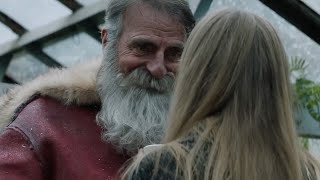
To capture the feeling of a suppressed inner monologue, Wieden + Kennedy tapped Michael C. Hall, then at the height of his fame as the title character in Dexter. His deadpan, monotone delivery was a calculated choice to inject a sense of "darkness" and intensity into the script. This vocal performance, combined with the "living portraits" visual style of director Mark Romanek, created an atmosphere of being trapped. Romanek, known for high-concept music videos, utilized static shots where actors stared directly into the lens to emphasize the domestic "imprisonment" the brand aimed to contrast with the 2010 Dodge Charger.
A Cultural Lightning Rod
 The campaign aired during Super Bowl XLIV to a record-breaking 106.5 million viewers, instantly becoming a polarizing "menvertising" landmark. While Ipsos ASI research noted a massive 30 point gender gap in likeability - with men favoring the ad significantly more than women - it successfully repositioned the Charger as a "muscle car" for the everyman. Chrysler CMO Olivier Francois defended the provocative tone, stating the brand was for the "rebel" who refuses to compromise on his car despite compromising on everything else.
The Backlash and Parody
The ad’s portrayal of domestic life as a series of chores - like walking the dog at 6:30 AM or eating fruit for breakfast - sparked immediate controversy. Critics labeled the work "misogynistic," leading to a wave of parodies, most notably "Woman's Last Stand," which inverted the script to highlight the sacrifices made by women. Despite the friction, the campaign is still studied today as a masterclass in high-stakes, gender-targeted brand positioning during Dodge's post-bankruptcy recovery.
Creative Strategy Deconstructed
Company
Dodge credibly delivered a powerful, performance-oriented vehicle, symbolizing freedom and a defiant reclaim of personal identity and desire.
Category
The automotive category often highlights practicality, status, or family values, but this campaign defied those norms by focusing on raw, emotional liberation.
Customer
Men felt a quiet resignation from daily compromises, deeply desiring an outlet for their suppressed desires, freedom, and a sense of reclaimed masculinity.
Culture
A cultural undercurrent of men feeling constrained by daily demands and seeking a powerful, unapologetic outlet for their suppressed desires resonated strongly.
Company
Dodge credibly delivered a powerful, performance-oriented vehicle, symbolizing freedom and a defiant reclaim of personal identity and desire.
Category
The automotive category often highlights practicality, status, or family values, but this campaign defied those norms by focusing on raw, emotional liberation.
Strategy:
Reclaim personal freedom by offering a powerful escape from life's mundane compromises.
Customer
Men felt a quiet resignation from daily compromises, deeply desiring an outlet for their suppressed desires, freedom, and a sense of reclaimed masculinity.
Culture
A cultural undercurrent of men feeling constrained by daily demands and seeking a powerful, unapologetic outlet for their suppressed desires resonated strongly.
Strategy:
Reclaim personal freedom by offering a powerful escape from life's mundane compromises.
Strategy Technique
Start With a Tension
The campaign taps into the unspoken tension of men constantly making small, self-sacrificing compromises in their daily lives. It then positions the Dodge Charger as the ultimate release from this pervasive emotional burden.
Explore Technique
Creative Technique
Create Contrast
The campaign starkly contrasts the monotonous, self-sacrificing daily routines of men with the exhilarating freedom of driving a Dodge Charger. This dramatic shift highlights the car as a powerful escape and personal reward.
Explore Technique
Craft Breakdown
This campaign masterfully uses narrative contrast and compelling cinematography to evoke a powerful emotional transformation, making the car a symbol of freedom and reclaiming one's identity.
The voiceover's 'I will' repetition effectively builds a sense of mundane obligation before the dramatic pivot, creating a powerful emotional release with 'I will drive the car. I want to drive. Man's Last Stand.'
The sharp contrast between static, internal close-ups and dynamic, external car action shots effectively visualizes the internal conflict and subsequent liberation.
The dramatic shift from a subtle, atmospheric hum to a powerful rock anthem perfectly underscores the emotional transition from resignation to exhilaration.
The abrupt transition from slow, methodical shots to fast-paced, high-energy cuts mirrors the narrative and emotional shift, enhancing the impact of the car's appearance.