Uni Noodle: House of Little Moments
Uni Noodle, a heritage brand in Taiwan, faced a perception problem among younger generations who saw it as a cheap, outdated pantry staple. ADK Taiwan was tasked with rejuvenating the brand's image and increasing emotional preference. The goal was to move beyond functional benefits like convenience and price to create a deeper, more premium connection with Gen Z and Millennials.
Creative Idea
Created a fictional noodle shop where recipes are inspired by the customers' emotional life stories.
Uni Noodle transformed a pantry staple into a vessel for storytelling by creating a cinematic series about a fictional noodle shop where every dish is a mood-flavored recipe, proving that even simple food can hold profound emotional significance.
The Noodle Shop That Ended a Seventeen Year Drought
From Pantry Staple to Premium Icon
The campaign achieved a rare feat in FMCG marketing by shifting a 45-year-old brand from an "inexpensive" perception to a premium, emotional powerhouse. This shift was backed by hard data: Season 4 alone drove a 9.43% increase in sales across all channels and grew YouTube subscribers by 6.3%. The cinematic "micro-movie" format proved its longevity as fans generated over 110,000 views on older seasons years after their initial release.
Crafting Mood Based Recipes
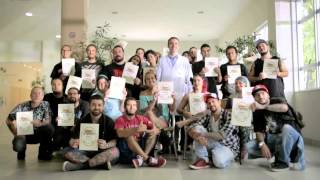
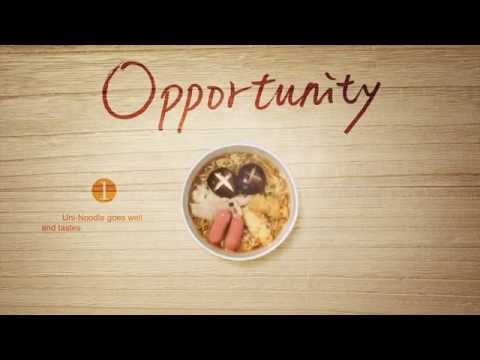 Director Ging-Zim, Lo and CCO Richard Yu focused on high artistry to tell stories of human connection. Each episode featured a functional, real-world recipe using Uni Noodles, such as the "Mont Blanc" dish for a lost love or a pineapple-based recipe for a grieving father. The production quality was so high that Kristin Patrick, CMO of PepsiCo, noted the campaign's exceptional artistry during its run at Cannes.
A Pop Up Reality in Taipei
The fictional shop resonated so deeply with the Taiwanese public that Uni Noodle opened a real-life pop-up restaurant in Taipei. Fans queued to experience the "mood-flavored" dishes seen on screen, effectively blurring the line between branded content and reality. By Season 4, the agency introduced an interactive "You Are How You Slurp" personality test, using a viewer's eating habits to provide a psychological profile.
Breaking the Global Glass Ceiling
Beyond sales, the campaign is a cultural milestone for the Taiwanese ad industry. By winning a Gold Lion in 2016, ADK Taiwan broke a 17-year drought for the market at Cannes. The series eventually tackled heavy social themes, including Alzheimer’s disease and rising divorce rates, proving that local cultural insights can achieve global creative resonance.
Creative Strategy Deconstructed
Company
A 40-year-old heritage brand with a vast product range and deep emotional resonance in Taiwanese households.
Category
Instant noodle brands usually focus on convenience, low price, and functional taste descriptions in loud, fast-paced commercials.
Customer
Younger consumers who viewed the brand as old-fashioned but craved authentic emotional connections and meaningful storytelling in media.
Culture
A growing cultural appreciation for slow living and the little moments of life amidst a fast-paced urban environment.
Company
A 40-year-old heritage brand with a vast product range and deep emotional resonance in Taiwanese households.
Category
Instant noodle brands usually focus on convenience, low price, and functional taste descriptions in loud, fast-paced commercials.
Strategy:
Elevate a functional commodity into an emotional companion by framing consumption as a ritual of personal reflection.
Customer
Younger consumers who viewed the brand as old-fashioned but craved authentic emotional connections and meaningful storytelling in media.
Culture
A growing cultural appreciation for slow living and the little moments of life amidst a fast-paced urban environment.
Strategy:
Elevate a functional commodity into an emotional companion by framing consumption as a ritual of personal reflection.
Results
The campaign was a massive commercial and viral success, achieving over 8.7 million YouTube views within the first three months of Season 1 and 4.6 million views in one month for Season 4. It drove a 9.43% increase in sales across all distribution channels and a 6.3% growth in YouTube subscribers. The content's longevity is evidenced by over 110,000 views generated on legacy seasons (S1–S3) years after release. It successfully shifted brand perception from 'inexpensive/old-fashioned' to 'emotional/premium.' Historically, it broke a 17-year drought for Taiwan at the Cannes Lions by winning the country's first Gold Lion in nearly two decades. Other accolades include the Grand Prix at Spikes Asia, Grande Lotus at Adfest, and Agency of the Year at One Show Greater China for multiple years.
9.43%
Increase in sales across all channels
8.7M+
YouTube views for Season 1 launch
1st
Gold Lion for Taiwan in 17 years
Strategy Technique
Build a Brand Myth
By creating a fictional, atmospheric world around a humble noodle shop, the brand transcended its cheap snack image to become a legendary symbol of empathy and shared human experiences.
Explore Technique
Creative Technique
Story-Driven Campaign
The campaign uses high-quality, cinematic micro-movies to tell human stories centered around a fictional noodle shop, making the product an integral part of emotional narratives rather than just a functional meal.
Explore Technique
Craft Breakdown
The campaign elevates a pantry staple through cinematic 'micro-movies' that blend high-end production values with bespoke culinary artistry to mirror human emotions.
Director Ging-Zim, Lo utilized a cinematic, long-form 'micro-movie' aesthetic that prioritized visual storytelling and mood over traditional hard-sell tactics.
The meticulous creation of 'mood-based' recipes like the Mont Blanc noodle dish transformed the product into a visual metaphor for the characters' internal lives.
The scripts tackled profound social issues like Alzheimer’s and divorce through the empathetic, stoic lens of the Noodle Shop Owner.
The transition from screen to reality via a physical pop-up restaurant in Taipei allowed fans to tangibly experience the fictional world.
“The magic lies in the intersection of culinary art and cinematic narrative, where the physical preparation of food serves as a cathartic resolution for the emotional arcs of the characters.”