Barbie: How The 'Barbie' Movie Took Over The World
Warner Bros. and Mattel needed to relaunch the Barbie brand for a modern, adult audience while ensuring the 2023 film became a massive box office hit. They sought to overcome brand skepticism and toy movie fatigue by positioning the film as a sophisticated, inclusive, and unmissable cultural event for Gen Z, Millennials, and nostalgic fans alike.
Creative Idea
Claimed ownership of the color pink to turn the real world into a Barbie Dreamhouse.
Warner Bros. transformed a film release into an omnipresent cultural movement by claiming ownership of the color pink, launching over 100 brand partnerships, and leaning into the organic Barbenheimer phenomenon to make the movie feel like an unavoidable event.
The Pink Paint Shortage and the $1.4 Billion Dreamhouse
A Global Shortage of Fluorescent Pink
The production’s commitment to "Barbiecore" aesthetics was so absolute that it triggered a worldwide supply chain issue. Production designer Sarah Greenwood exhausted the entire global inventory of Rosco fluorescent pink paint to construct the Dreamhouse sets. This physical commitment to the color palette was mirrored in the marketing strategy, which utilized over 165 brand partnerships - ranging from a real-life Airbnb Malibu Dreamhouse to pink burgers at Burger King - to ensure the film felt unavoidable.
The Breadcrumb Strategy and Barbenheimer
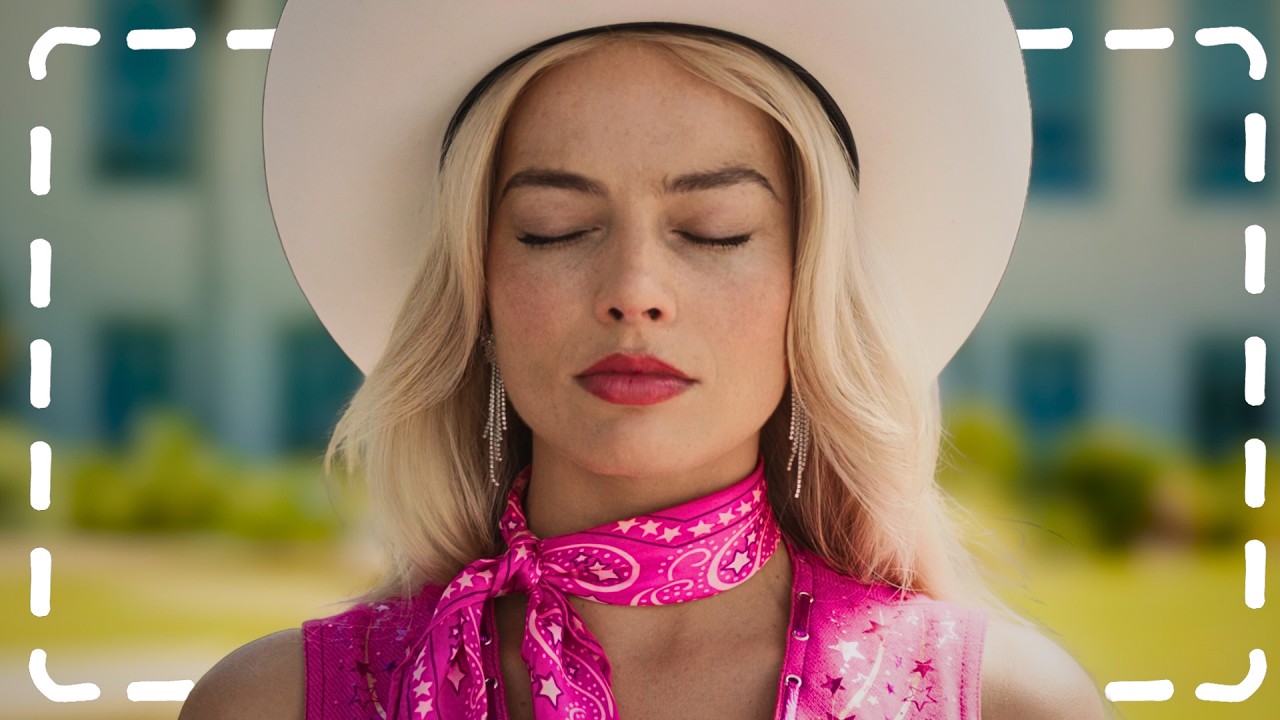 Marketing began a full year early with a "breadcrumb" strategy, starting with "leaked" paparazzi photos of Margot Robbie and Ryan Gosling in neon rollerblading outfits. This sparked an organic fashion trend months before a trailer even debuted. When the film was scheduled against Christopher Nolan’s *Oppenheimer*, Warner Bros. Marketing President Josh Goldstine opted not to move the date. This allowed the fan-led Barbenheimer phenomenon to flourish, turning a potential box office conflict into a symbiotic cultural event that drove $337 million in global opening weekend sales.
Satire and Social Scale
The campaign signaled its subversive tone early with a teaser parodying *2001: A Space Odyssey*, targeting adults rather than children. This high-concept approach, paired with the PhotoRoom AI Barbie Selfie Generator used by 13 million people, helped the film amass 6 billion views on TikTok. The result was a total brand rebirth for Mattel, which saw a 25% surge in toy sales and a $113 million increase in Barbie’s brand value, proving that a toy-based IP could achieve both critical prestige and a $1.446 billion box office return.
Creative Strategy Deconstructed
Company
A globally recognized toy brand with a distinct, ownable visual identity and significant studio marketing resources.
Category
Movie marketing typically relies on standard trailers and junkets, often feeling like a temporary sales pitch rather than an event.
Customer
Audiences craved a sense of fun, community, and a reason to return to theaters for a shared cultural experience.
Culture
The rise of Barbiecore fashion and the organic internet obsession with the Barbenheimer double-feature contrast.
Company
A globally recognized toy brand with a distinct, ownable visual identity and significant studio marketing resources.
Category
Movie marketing typically relies on standard trailers and junkets, often feeling like a temporary sales pitch rather than an event.
Strategy:
Weaponize a distinct visual asset to achieve cultural saturation through aggressive cross-category integration and organic community participation.
Customer
Audiences craved a sense of fun, community, and a reason to return to theaters for a shared cultural experience.
Culture
The rise of Barbiecore fashion and the organic internet obsession with the Barbenheimer double-feature contrast.
Strategy:
Weaponize a distinct visual asset to achieve cultural saturation through aggressive cross-category integration and organic community participation.
Results
The Barbie movie marketing campaign achieved extraordinary results, including 63 billion combined views on TikTok. The Barbie Selfie Generator was used over 13 million times, and social media mentions saw a 23,350% increase in a single week. The movie made history by earning over $1 billion at the box office, making Greta Gerwig the first solo female director to reach this milestone. The campaign also involved over 100 official brand collaborations and partnerships worldwide. The 'Barbenheimer' opening weekend was one of the biggest in box office history, with the duo topping $235 million in their domestic debut.
63B
combined views on TikTok
$1B+
box office earnings
23,350%
increase in weekly mentions
Strategy Technique
Lean Into Nostalgia
The Barbie movie strategically leveraged childhood memories - specifically the iconic doll - to create a powerful, shared cultural experience. This nostalgic connection drove massive engagement and amplified the film's reach through viral trends and brand collaborations.
Explore Technique
Creative Technique
Collaborate with another brand
By partnering with over 100 diverse brands - from Airbnb to Xbox - the campaign moved beyond cinema screens into every facet of daily life, creating a sense of global ubiquity and cultural dominance.
Explore Technique
Craft Breakdown
The Barbie campaign's craft is exceptional due to its masterful media planning and cohesive art direction, which turned a movie launch into a global cultural phenomenon.
The strategic use of counterprogramming and the sheer scale of global partnerships were unprecedented in film marketing.
The campaign successfully 'owned' the color pink, creating a visual shorthand that was instantly recognizable worldwide.
The self-aware and humorous tone, especially in the 'If you hate Barbie' tagline, perfectly captured the target audience's sentiment.
Real-world activations like the Airbnb Dreamhouse and life-size Barbie boxes created immersive brand experiences.
“The magic of the campaign came from the seamless integration of digital trends, real-world activations, and strategic brand partnerships, all unified by a bold and consistent visual identity.”