Dollar Shave Club: Our Blades Are F***ing Great
Dollar Shave Club needed to launch its subscription service on a micro-budget. They aimed to disrupt the razor market dominated by expensive legacy brands. The goal was to acquire 10,000 subscribers by convincing men that they were overpaying for unnecessary features and that a simpler, cheaper, direct-to-door solution was the smarter choice.
Creative Idea
A deadpan founder gave a surreal, low-budget warehouse tour mocking over-engineered razor technology.
Dollar Shave Club used a low-budget, deadpan comedic video featuring its founder to mock the over-engineered features and high costs of legacy razor brands, proving that high-quality grooming could be simple, affordable, and delivered directly to your door.
The $4,500 Video That Triggered a Billion Dollar Exit
A Warehouse Tour on a Shoestring
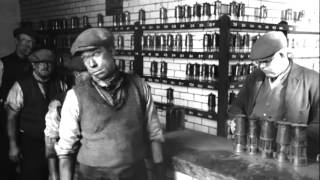
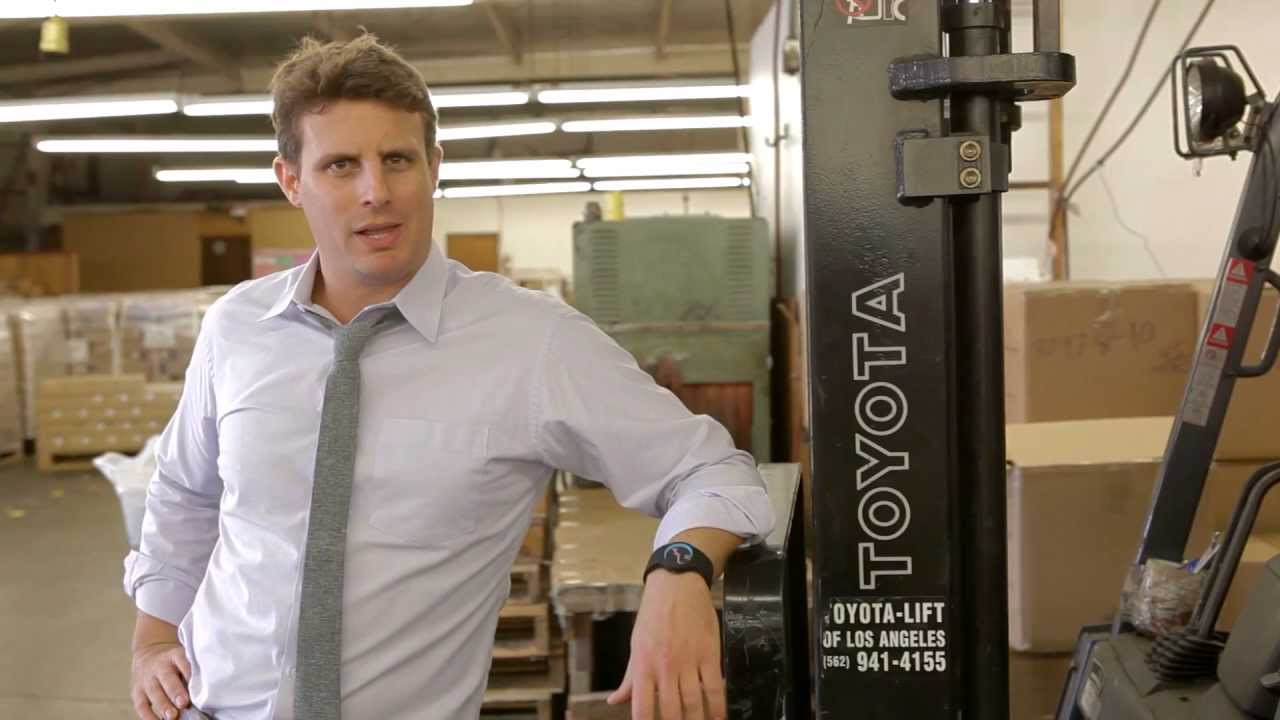
The entire production was shot in a single day in October 2011 at a warehouse in Gardena, California. With a microscopic budget of $4,500, founder Michael Dubin leveraged his eight years of improv training at the Upright Citizens Brigade to deliver a masterclass in deadpan comedic timing. The script, originally four pages long, was tightened into a 90 - second viral powerhouse by director Lucia Aniello, who later gained fame as the creator of the TV series *Hacks*. The "scrappy" aesthetic was authentic - the warehouse was the brand's actual fulfillment center, and the woman taping boxes was a real employee named Alejandra Chen.
Crashing Servers and Changing Markets
The launch was a tactical strike timed to coincide with SXSW and a seed funding announcement. The impact was instantaneous: the surge in traffic crashed the company’s servers within the first hour. Within 48 hours, the brand secured 12,000 orders, proving that a startup could bypass retail gatekeepers through direct - to - consumer (DTC) storytelling. By 2016, the brand had captured up to 15% of the U.S. razor market, forcing legacy giants like Gillette to slash prices and pivot their business models.
The Blueprint for Modern DTC
This campaign established the "charismatic founder" archetype that defined a decade of digital advertising. By mocking the "over - engineered" marketing of traditional brands - famously noted in Dubin's line about grandfathers having "one blade... and polio" - the ad replaced high - tech CGI with raw authenticity. The success of this low - budget gamble culminated in a $1 billion cash acquisition by Unilever in 2016, cementing its status as the ultimate ROI benchmark in advertising history.
Creative Strategy Deconstructed
Company
A charismatic founder with improv training and a high-quality, low-cost subscription model for essential grooming products.
Category
Legacy brands relied on over-engineered 'innovation,' expensive celebrity endorsements, and high retail markups to justify premium pricing.
Customer
Men felt frustrated by the unnecessary complexity and rising costs of buying basic razors at physical retail stores.
Culture
The rise of direct-to-consumer digital platforms allowed scrappy startups to bypass traditional gatekeepers with authentic, viral storytelling.
Company
A charismatic founder with improv training and a high-quality, low-cost subscription model for essential grooming products.
Category
Legacy brands relied on over-engineered 'innovation,' expensive celebrity endorsements, and high retail markups to justify premium pricing.
Strategy:
Dismantle category complexity through aggressive transparency and comedic relatability to position value as the ultimate sophistication.
Customer
Men felt frustrated by the unnecessary complexity and rising costs of buying basic razors at physical retail stores.
Culture
The rise of direct-to-consumer digital platforms allowed scrappy startups to bypass traditional gatekeepers with authentic, viral storytelling.
Strategy:
Dismantle category complexity through aggressive transparency and comedic relatability to position value as the ultimate sophistication.
Strategy Technique
Use Brutal Honesty
By acknowledging the absurdity of overpriced razors with irreverent humor, Dollar Shave Club cut through marketing fluff. This honesty resonated with consumers tired of being tricked by big brands - building trust and driving subscriptions.
Explore Technique
Creative Technique
Make a Parody
The campaign parodies the hyper-masculine, tech-heavy tropes of traditional razor advertising by using a low-budget, warehouse setting and absurd humor to highlight the product's simplicity and value.
Explore Technique
Craft Breakdown
This campaign's success is driven by its sharp, disruptive copywriting and Mike's charismatic, deadpan performance, which perfectly captures the brand's irreverent voice.
The script is a masterclass in brand voice, using humor and directness to dismantle industry giants while clearly communicating the value proposition.
Mike Dubin's deadpan delivery and comedic timing are essential to the ad's charm and memorability.
The use of long, continuous tracking shots through the warehouse creates a sense of energy and authenticity.
The DIY aesthetic and clever use of props (like the machete and the bear suit) reinforce the brand's scrappy, underdog persona.
“The synergy between the witty script and the low-budget, high-energy visual execution creates a uniquely authentic and persuasive brand identity.”