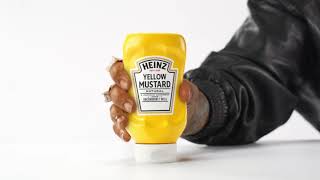
Heinz: Pass The Heinz
Heinz wanted to revitalize its "Never Settle" positioning and reinforce its status as the world's essential ketchup. David Miami needed to reach a modern audience that was cynical toward traditional advertising. The goal was to generate massive earned media and cultural conversation by proving that Heinz is the only condiment that truly completes a meal, targeting food lovers and pop culture enthusiasts.
Creative Idea
Ran a famously rejected fictional ad pitch from Mad Men as a real-world campaign.
Heinz brought a 50-year-old fictional ad pitch from the TV show Mad Men to life, using minimalist photography of food without ketchup to prove that the brand is so iconic, consumers' imaginations automatically fill in the missing bottle.
The Pitch That Took Fifty Years To Win
Recreating the Draper Aesthetic
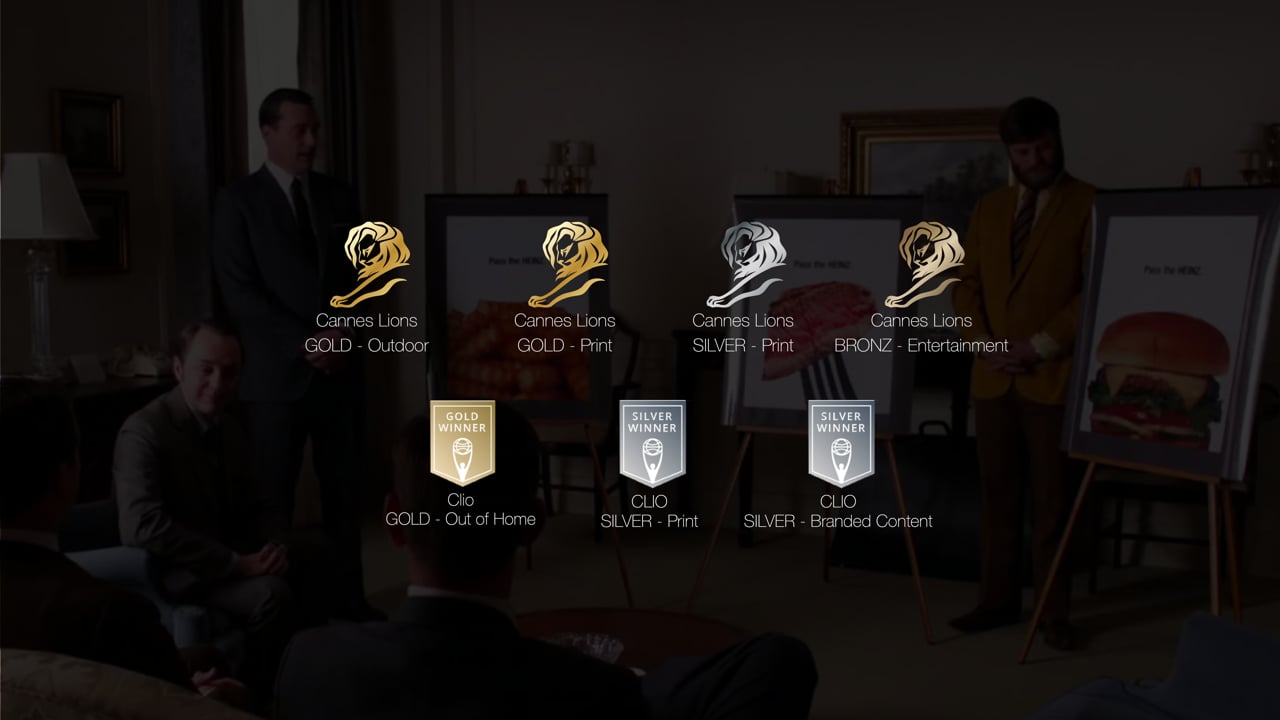
While the campaign appeared to use stills from the show, DAVID Miami had to meticulously re-shoot the photography from scratch. To meet modern high - resolution standards for billboards and full - page spreads in the New York Post and Variety, the team recreated the exact lighting and minimalist styling of the 1960s. They worked with Josh Weltman, a *Mad Men* co - producer and advertising consultant, to ensure the steak, fries, and cheeseburger looked identical to the props Don Draper "pitched" in Season 6.
Filling the Ketchup Shaped Void
A Meta Industry First
In a rare move for the advertising industry, Heinz officially co - credited the fictional agency Sterling Cooper Draper Pryce alongside DAVID Miami in all press materials. To maintain the 1960s theme, the official press release was even written on a vintage typewriter. This bridge between the "Golden Age" of advertising and modern viral marketing resulted in 36% of consumers stating they were "certain" to choose Heinz after seeing the ads, eventually contributing to a 12% global sales growth for the brand.
Creative Strategy Deconstructed
Company
An iconic brand identity so strong that the product is recognizable even when it is completely absent from the frame.
Category
Condiment brands typically rely on food porn shots showing the product being poured or drizzled to stimulate appetite.
Customer
Fans of quality food and pop culture who appreciate clever, minimalist storytelling over traditional, loud, and repetitive commercial messaging.
Culture
The enduring legacy of Mad Men created a unique opportunity to bridge fictional history with real-world brand positioning.
Company
An iconic brand identity so strong that the product is recognizable even when it is completely absent from the frame.
Category
Condiment brands typically rely on food porn shots showing the product being poured or drizzled to stimulate appetite.
Strategy:
Leverage fictional narratives to validate real-world brand iconicity through the power of consumer imagination and nostalgia.
Customer
Fans of quality food and pop culture who appreciate clever, minimalist storytelling over traditional, loud, and repetitive commercial messaging.
Culture
The enduring legacy of Mad Men created a unique opportunity to bridge fictional history with real-world brand positioning.
Strategy:
Leverage fictional narratives to validate real-world brand iconicity through the power of consumer imagination and nostalgia.
Results
The campaign achieved massive global reach and engagement, generating over +2.6 billion media impressions. It resulted in USD $55 million in earned media value. The initiative was recognized as Heinz's most talked about and efficient ad campaign ever based on the ratio of impressions to spend. It was widely covered by major news outlets including CNN, ABC, The New York Times, Mashable, and BuzzFeed. The campaign is credited as the first 'reverse product placement' in advertising history, successfully bridging the gap between television fiction and real-world marketing.
2.6B+
media impressions
$55M
earned media
1st
reverse product placement
Strategy Technique
Borrow Equity
Heinz leveraged the cultural prestige and nostalgia of Mad Men to gain instant relevance, turning a fictional narrative into a high-impact PR stunt that blurred the lines between entertainment and advertising.
Explore Technique
Creative Technique
Turn Failure into Success
By taking a pitch that was famously rejected in a fictional 1960s setting and running it for real, Heinz turned a scripted failure into a triumphant, meta-marketing success that validated the brand's timelessness.
Explore Technique
Craft Breakdown
This campaign's brilliance lies in its meta-narrative execution, turning a fictional piece of pop culture into a high-impact real-world brand asset.
The 'Pass the Heinz' line is a masterclass in minimalist persuasion, relying entirely on brand equity and consumer imagination.
The strategic placement of these ads in high-visibility NYC locations and print media perfectly mirrored the 'big agency' feel of the show.
“The synergy between the iconic fictional writing and the modern-day media placement created a 'reverse product placement' effect that felt both nostalgic and innovative.”