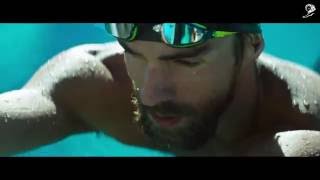
Under Armour: Phelps
Under Armour challenged Droga5 New York to assert brand dominance during the 2016 Olympics without being an official sponsor. They needed to connect with high-performance athletes by moving beyond superficial sports tropes. The goal was to increase brand soul and purchase intent among young athletes by authentically portraying the reality of elite training and the discipline required for Michael Phelps' final comeback.
Creative Idea
Juxtaposed the lonely, painful reality of training with the public glory of the spotlight.
Under Armour showcased the grueling, solitary, and painful training of Michael Phelps to prove that greatness isn't born in the spotlight, but earned in the "dark," resonating with athletes who value the sacrifice behind the victory.
Winning the Olympics in the Dark
The Art of Ambush Marketing
Despite not being an official sponsor of the 2016 Rio Olympics, Under Armour executed a masterclass in "ambush marketing." By navigating the IOC’s restrictive Rule 40, which prohibited non-sponsors from using Olympic imagery, Droga5 focused entirely on the "dark" - the grueling, solitary training hours that precede the podium. This strategy allowed the brand to "own" the Games without ever mentioning them. The campaign’s somber, cinematic tone, set to The Kills’ "The Last Goodbye," signaled Phelps’ final competitive appearance and shifted the industry standard away from high-energy "hype" spots toward psychological exploration.
Cupping and Global Trends
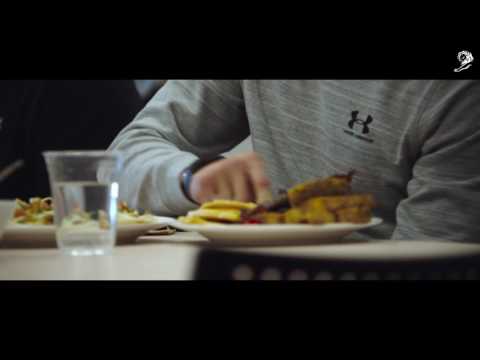 The production avoided green screens, opting for raw, practical shots of Phelps’ actual training environment. One specific scene featured Phelps undergoing cupping therapy, a traditional Chinese medicine practice. After the ad aired and Phelps appeared in Rio with visible cupping marks, global searches for the term spiked by over 2,000%. When the final cut was first screened at Under Armour’s Baltimore headquarters, both Phelps and his fiancée were moved to tears by its accuracy in capturing the loneliness of his comeback.
Massive Sales and Social Reach
The campaign was a commercial powerhouse, driving 815,000 incremental units in sales and generating approximately $23 million in revenue. It became the second most shared ad of the 2016 Olympics, garnering over 11.5 million YouTube views within months. Purchase intent reached 45% overall, peaking at 51% among male viewers. By the end of 2016, Under Armour’s brand value reached a peak of $5.5 billion, largely fueled by the momentum of the "Rule Yourself" platform.
Creative Strategy Deconstructed
Company
A brand built on the 'Protect This House' grit and a roster of elite, disciplined athletes.
Category
Sports marketing typically focuses on the high-energy, celebratory moments of victory and stadium crowds.
Customer
Serious athletes who know that true progress happens during the lonely, unglamorous hours of sacrifice.
Culture
A shift toward valuing the 'grind' and the psychological resilience required for long-term mastery.
Company
A brand built on the 'Protect This House' grit and a roster of elite, disciplined athletes.
Category
Sports marketing typically focuses on the high-energy, celebratory moments of victory and stadium crowds.
Strategy:
Expose the grueling, solitary sacrifice behind public achievement to validate the internal struggle of the elite performer.
Customer
Serious athletes who know that true progress happens during the lonely, unglamorous hours of sacrifice.
Culture
A shift toward valuing the 'grind' and the psychological resilience required for long-term mastery.
Strategy:
Expose the grueling, solitary sacrifice behind public achievement to validate the internal struggle of the elite performer.
Strategy Technique
Make the Invisible Visible
It shines a light on the thousands of hours of lonely, painful preparation that the public never sees, redefining the athlete's journey as a process of solitary discipline rather than just public glory.
Explore Technique
Creative Technique
Show, Don't Tell
The ad avoids voiceover or dialogue, instead using raw, cinematic visuals of Phelps' intense training rituals to viscerally demonstrate the physical and mental toll required to achieve Olympic excellence.
Explore Technique
Craft Breakdown
The campaign's power lies in its raw, unvarnished look at the grueling reality of elite athleticism, elevated by exceptional cinematography and a haunting musical choice.
The use of lighting and intimate camera angles creates a visceral sense of Phelps' physical and mental isolation.
The choice of 'The Last Goodbye' perfectly mirrors the emotional weight and the 'end of an era' feel of Phelps' final Olympic run.
The rhythmic cutting between the pool and the gym creates a powerful metaphor for the repetitive nature of training.
The authentic depiction of training environments—from the hyperbaric chamber to the cupping therapy—adds significant realism.
“The synergy between the somber music and the dark, high-contrast visuals creates a uniquely heavy emotional atmosphere that redefines the typical 'sports ad'.”