Clash of Clans - Haaland Payback Time
Supercell needed to re-energize its 11-year-old game, Clash of Clans, and attract new players beyond its core audience. They sought a culturally impactful campaign that would drive massive player re-engagement and global media coverage, leveraging a unique partnership to transcend traditional gaming marketing.
Creative Idea
Clash of Clans turned football star Erling Haaland into an in-game character, letting his haters raid his village.
Clash of Clans leveraged football star Erling Haaland's polarizing fame by turning him into a playable character and creating a "Payback Time" challenge, allowing rival fans to attack his in-game village, effectively converting haters into players and driving massive re-engagement.
Turning The Worlds Most Feared Striker Into A Target
Turning Rivalry Into Retention
The campaign achieved an unprecedented 7.9 billion impressions by weaponizing football rivalries. By inviting fans of rival clubs like Manchester United and Chelsea to "raid" Haaland’s village, Supercell converted negative sentiment into active gameplay. This "hater strategy" resulted in 6 million installs in a single week and a 150% increase in new player growth. 34 million players participated in the challenge, proving that a decade - old game could still dominate cultural conversation.
From Manchester To The Metaverse
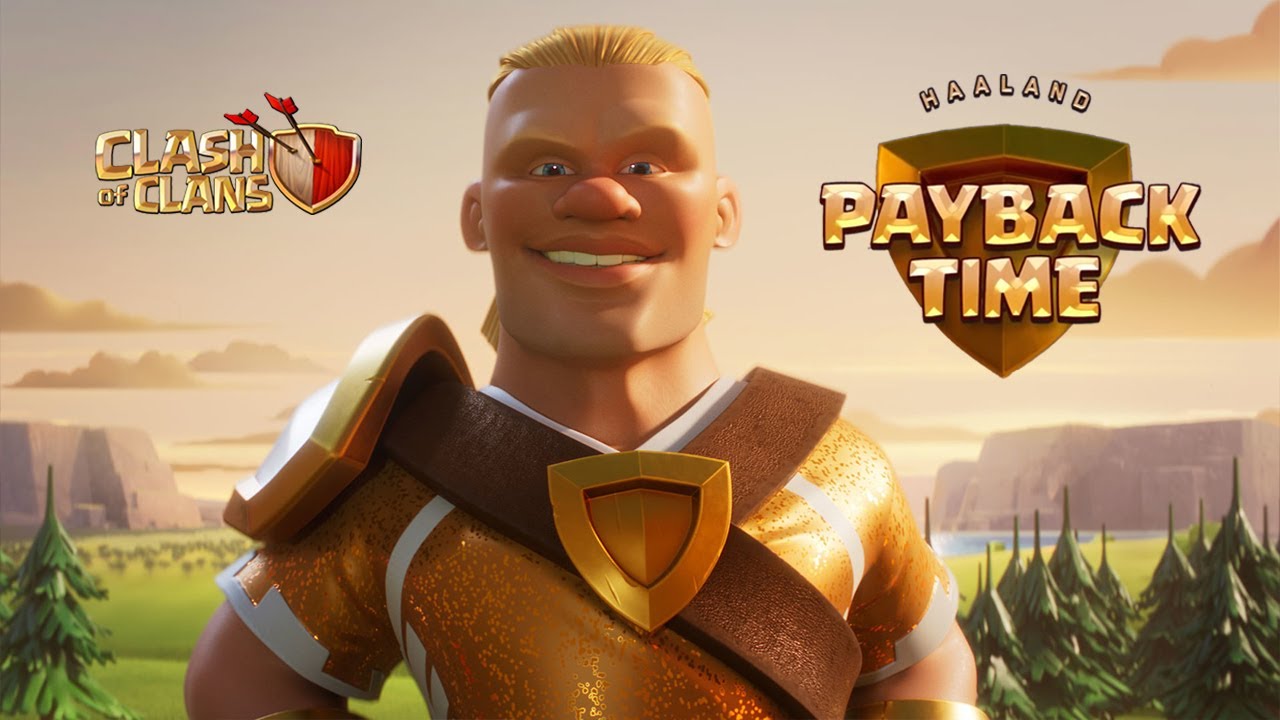 Production required navigating the strict physical restrictions of Haaland’s professional contract. While live - action sequences were filmed in Manchester and Oslo, a specialized choreography team and body double handled complex movements to protect the athlete from injury. Axis Studios then utilized advanced VFX to integrate Haaland’s performance into the game’s 3D world, marking the first time a real human has appeared in the title’s 11 - year history.
Authenticity And Hidden Details
The partnership was rooted in genuine fandom; Haaland has played the game since he was 10 years old. To reward eagle - eyed fans, the creative team at DAVID New York included Easter eggs like "The Clash Times" newspaper and intentionally misspelled signage to match the game’s established humor. The campaign even recruited José García, the goalkeeper who famously conceded nine goals to Haaland in 2019, to serve as the face of the "payback" movement. Creative lead Andre Toledo noted that the goal was not just a celebrity endorsement, but giving the public a "perfect excuse to log in" by destroying a superstar's village.
Creative Strategy Deconstructed
Company
Supercell possessed the unique capability to integrate a global football icon as a fully playable character, creating a bespoke in-game event.
Category
Gaming collaborations often feature celebrities, but rarely leverage their real-world rivalries or create direct, interactive 'revenge' mechanics.
Customer
Football fans, especially rivals, harbored strong feelings towards Haaland, desiring a tangible outlet for their competitive animosity and entertainment.
Culture
The intense, tribal nature of football rivalries and the cultural trend of blurring lines between sports and gaming provided fertile ground.
Company
Supercell possessed the unique capability to integrate a global football icon as a fully playable character, creating a bespoke in-game event.
Category
Gaming collaborations often feature celebrities, but rarely leverage their real-world rivalries or create direct, interactive 'revenge' mechanics.
Strategy:
Leverage existing cultural rivalries to create interactive, emotionally charged gaming experiences, driving new player acquisition.
Customer
Football fans, especially rivals, harbored strong feelings towards Haaland, desiring a tangible outlet for their competitive animosity and entertainment.
Culture
The intense, tribal nature of football rivalries and the cultural trend of blurring lines between sports and gaming provided fertile ground.
Strategy:
Leverage existing cultural rivalries to create interactive, emotionally charged gaming experiences, driving new player acquisition.
Results
The campaign achieved significant results: 23 MILLION players raided Haaland's village, which later increased to 34 MILLION players. A staggering 11.8 TRILLION of Haaland's in-game gold was stolen. The campaign led to a +150% increase in new players. The New York Times hailed it as "Clash of Clans' most successful campaign in many years."
34M
players raided Haaland's village
11.8T
of Haaland's gold stolen
+150%
new players
Strategy Technique
Find an Enemy
By identifying Haaland's 'haters' as a distinct audience, Clash of Clans created a powerful incentive for engagement. It transformed existing negative sentiment into a unique, playable revenge fantasy, expanding the game's reach beyond traditional fans.
Explore Technique
Creative Technique
Crash Someone Else's Party
The campaign strategically placed billboards near rival stadiums and 'hijacked' events like Manchester United's documentary premiere. This directly targeted rival fans, turning their existing animosity into a compelling reason to engage with the game.
Explore Technique
Craft Breakdown
This campaign's craft is exceptional in its seamless integration of a real-world celebrity into a digital game, leveraging both his fame and rivalries for dynamic, real-time engagement across multiple media channels.
The creation of Erling Haaland as the first real-person playable character in Clash of Clans, complete with a custom village and challenge mechanics, demonstrates outstanding digital integration and game development.
The strategic use of dynamic OOH advertising that reacted live to Haaland's football performances and the 'hijacking' of rival events showcased innovative and highly responsive media placement.
The high-quality 3D animation for Haaland's in-game character and the seamless visual transition from real-life to animated form were crucial for the campaign's authenticity and appeal.
The campaign's headlines, such as 'Go Score His Gold' and 'Steal His Gold,' were sharp, provocative, and perfectly tailored to incite engagement from both fans and rivals.
“The magic of this campaign truly comes from the synergy between deep game integration, dynamic real-time media, and clever, context-aware messaging that turned football rivalries into engaging gameplay.”