Apple: 1984 Macintosh Commercial
Apple needed to launch its Macintosh computer, establishing it as a revolutionary, user-friendly alternative to existing, complex systems. The client aimed to differentiate Macintosh from competitors like IBM, targeting a broad audience eager for personal empowerment and innovation. Chiat/Day was tasked with creating an unforgettable debut.
Creative Idea
Dramatized the current tech landscape as a dystopian future, then shattered it with the new product.
Positioned Macintosh as a revolutionary tool for individual liberation by dramatically portraying the existing tech landscape as a dystopian, conformist future, then shattering it with the product's arrival. This tapped into a deep desire for empowerment.
The Commercial Apple's Board Tried to Kill
The $800,000 gamble
Despite its legendary status, the ad nearly never aired. Apple's Board of Directors detested the film, with Chairman Mike Markkula suggesting the agency be fired. CEO John Sculley ordered Chiat/Day to sell back the Super Bowl airtime, but the agency intentionally delayed, claiming the slots were gone. Co-founder Steve Wozniak was so moved by the vision that he offered to pay for half the airtime personally if the board refused. To ensure eligibility for 1984 awards, the agency ran a "secret" premiere at 1:00 AM in Twin Falls, Idaho, on December 31, 1983.
Dystopia on a London set
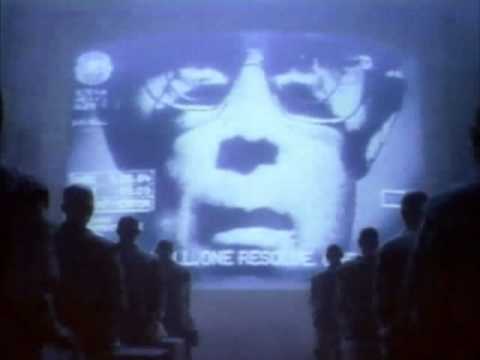 Director Ridley Scott brought a cinematic grit to the production at Shepperton Studios, utilizing a massive budget between $370,000 and $900,000. To create the "drone" army, Scott hired 200 real-life skinheads from the National Front, paying them up to $125 per day to sit in a cold auditorium. The industrial atmosphere was enhanced by using actual 747 jet engines as background props. While the script originally featured a baseball bat, Scott swapped it for a sledgehammer to increase the visual drama.
Shattering the status quo
The impact was immediate and unprecedented. Though it aired only once nationally, the commercial generated up to $150 million in earned media as news networks replayed it as a cultural phenomenon. Apple sold 72,000 units in the first 100 days - crushing their goal of 50,000 - and recorded $155 million in sales within three months. This success came despite ASI Market Research predicting the ad would be a failure, scoring it a 5 out of 43 on their effectiveness scale.
Creative Strategy Deconstructed
Company
Apple possessed a unique vision for user-friendly, empowering technology, challenging the prevailing complex, corporate-dominated computing landscape.
Category
The computer category was dominated by intimidating, complex, and corporate-centric machines, fostering a sense of conformity and limited individual agency.
Customer
Consumers yearned for technology that felt personal, intuitive, and empowering, allowing them to break free from perceived corporate control and embrace individuality.
Culture
The cultural zeitgeist was wary of unchecked corporate power and government surveillance, making Orwell's "1984" a potent symbol of societal fears.
Company
Apple possessed a unique vision for user-friendly, empowering technology, challenging the prevailing complex, corporate-dominated computing landscape.
Category
The computer category was dominated by intimidating, complex, and corporate-centric machines, fostering a sense of conformity and limited individual agency.
Strategy:
Empower individuals by challenging oppressive systems and offering a liberating, user-centric technological alternative.
Customer
Consumers yearned for technology that felt personal, intuitive, and empowering, allowing them to break free from perceived corporate control and embrace individuality.
Culture
The cultural zeitgeist was wary of unchecked corporate power and government surveillance, making Orwell's "1984" a potent symbol of societal fears.
Strategy:
Empower individuals by challenging oppressive systems and offering a liberating, user-centric technological alternative.
Strategy Technique
Find an Enemy
The campaign personified the problem of technological conformity and corporate control as "Big Brother," positioning Apple's Macintosh as the ultimate liberator. This created a clear antagonist.
Explore Technique
Creative Technique
Analogy for the Problem
The commercial uses the dystopian world of Orwell's "1984" as a powerful analogy to represent the oppressive, conformist state of computing before Macintosh. It visually dramatizes the problem.
Explore Technique
Craft Breakdown
This campaign's craft is exceptional in its cinematic storytelling and powerful art direction, creating a vivid dystopian world that dramatically contrasts with the promise of a new product. The visual narrative and the impactful sound design elevate it to an iconic status.
The use of wide, oppressive shots, dramatic lighting, and the stark contrast between the monochromatic world and the vibrant protagonist creates a visually stunning and impactful narrative.
The meticulous creation of the dystopian setting, including costumes, set design, and the "Big Brother" imagery, perfectly establishes the oppressive atmosphere.
The oppressive, industrial drone music and the sudden, impactful sound of the hammer throw and explosion are crucial in building and releasing tension.
The voiceover's powerful, Orwellian language effectively sets the scene and the final tagline delivers a memorable and impactful message.
“The campaign's magic truly comes from the seamless integration of cinematic visuals, powerful sound design, and a compelling narrative that together create an unforgettable emotional experience.”