BGH Aircon: Summer Hater
The client, BGH Aircon, briefed Del Campo Saatchi & Saatchi. They wanted to position BGH Silent Air as the definitive solution against summer's oppressive heat and noise. The brand needed to connect with consumers suffering from discomfort, making BGH the hero. The challenge was to create a campaign that humorously personified summer as an annoying enemy, showcasing BGH's silent, powerful cooling as the ultimate defeat.
Creative Idea
BGH Aircon made summer an annoying enemy, positioning its silent unit as the hero defeating the heat.
BGH Silent Air created a humorous campaign where they personified summer as an annoying enemy that makes people sweat and feel uncomfortable. The brand positioned its air conditioner as a hero that fights against the "summer hater" by offering a cool, silent solution that literally defeats the heat.
The Dark Art of Making Summer the Enemy
From Gorilla to Grump
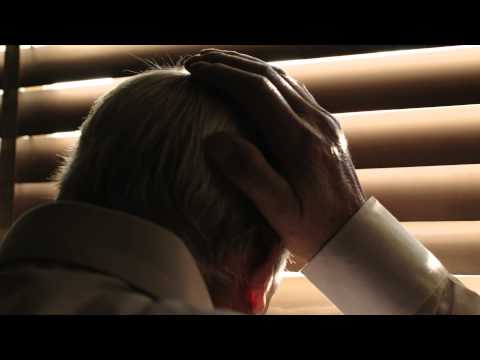
To achieve the campaign's distinct film noir aesthetic, the agency enlisted Juan Cabral, the visionary director behind iconic spots like Cadbury’s "Gorilla." Cabral moved away from the slapstick humor of BGH’s previous hit, "Dads in Briefs," opting instead for high-contrast cinematography and a sinister, brooding atmosphere. This pivot was strategic: the team wanted to avoid repeating the same joke, choosing instead to validate the "summer hater" archetype - a demographic largely ignored by traditional, sun-drenched appliance marketing.
The Man on Fire Controversy
The campaign’s most infamous moment - a sequence where the protagonist imagines a sunbather bursting into flames - was a late addition. According to BGH Marketing Director Ezequiel Devoto, the "man on fire" was not in the original script but was pushed by the creative team during the off-line edit to heighten the black comedy. This dark turn reportedly cost the campaign a Gold Lion at Cannes; industry lore suggests a jury member was so offended by the imagery that the entry was downgraded to Silver.
Dominating the Argentine Heat
Despite a limited media budget that forced a heavy reliance on organic reach, the "anti-marketing" approach was a commercial triumph. The campaign transformed BGH into the number one air conditioning brand in Argentina. By personifying the season as a villain, ECDs Maxi Itzkoff and Mariano Serkin successfully positioned the product as a sanctuary from "hell." The script’s visceral prose - describing tanning oil as gasoline - resonated with a public exhausted by the indignity of sweat, proving that "making an enemy" is a powerful tool for functional brands.
Creative Strategy Deconstructed
Company
BGH leverages its Silent Air technology to provide more than cooling; it provides a sanctuary. The brand uses its reputation for bold, award-winning creative storytelling to differentiate in a commoditized hardware market.
Category
Home appliance marketing usually relies on sterile environments and technical efficiency metrics. Competitors focus on the comfort of the cool air rather than the emotional relief from the external atmospheric assault.
Customer
The audience experiences summer not as a vacation, but as a physical and emotional burden. They harbor a secret resentment for the heat, sweat, and mandatory outdoor joy that defines the season.
Culture
There is a growing cultural resonance in anti-marketing that acknowledges life's annoyances. By validating the summer hater archetype, the brand connects with a demographic that feels ignored by traditional sun-drenched ads.
Company
BGH leverages its Silent Air technology to provide more than cooling; it provides a sanctuary. The brand uses its reputation for bold, award-winning creative storytelling to differentiate in a commoditized hardware market.
Category
Home appliance marketing usually relies on sterile environments and technical efficiency metrics. Competitors focus on the comfort of the cool air rather than the emotional relief from the external atmospheric assault.
Strategy:
Personify summer as a physical antagonist to position BGH as the ultimate sanctuary for the seasonal cynic.
Customer
The audience experiences summer not as a vacation, but as a physical and emotional burden. They harbor a secret resentment for the heat, sweat, and mandatory outdoor joy that defines the season.
Culture
There is a growing cultural resonance in anti-marketing that acknowledges life's annoyances. By validating the summer hater archetype, the brand connects with a demographic that feels ignored by traditional sun-drenched ads.
Strategy:
Personify summer as a physical antagonist to position BGH as the ultimate sanctuary for the seasonal cynic.
Strategy Technique
Find an Enemy
The campaign strategically personifies summer as an annoying enemy, giving consumers a clear antagonist. BGH Aircon then becomes the definitive solution, rallying people against the shared discomfort.
Explore Technique
Creative Technique
Action movie
The campaign frames summer as an annoying villain, creating tension and discomfort. BGH Aircon is positioned as the hero, delivering a silent, cool solution to defeat this "summer hater."
Explore Technique
Craft Breakdown
This campaign's craft is exceptional in its dark humor and masterful sound design, which work in tandem with the visceral visuals to create a memorable and impactful advertisement for an air conditioner.
The evocative sound design, from the dripping sweat and sizzling heat to the nuanced human sounds of discomfort and the final hum of the AC, is crucial in selling the oppressive summer and the ultimate relief.
The voiceover's darkly humorous and misanthropic script is brilliantly written, delivering memorable lines that capture the intense hatred for summer in a uniquely entertaining way.
The visual style effectively conveys the discomfort of summer through high-contrast, sweaty, and sometimes grotesque imagery, enhancing the narrative's central theme.
The fast-paced, almost jarring cuts between the grumpy man's eyes and the uncomfortable outdoor scenes escalate the tension and drive the narrative's emotional arc effectively.
“The campaign's magic truly comes alive through the synergy of its dark, humorous copywriting, visceral sound design, and intense visual storytelling, all conspiring to elevate the simple benefit of air conditioning into a profound relief from human suffering.”