Audi: Godfather
Audi sought a 2008 campaign to assert its leadership in the luxury automotive market. The brand needed to provoke a strong emotional response among affluent buyers, positioning Audi as the definitive, confident choice. The challenge was to empower consumers to make a bold personal statement with their vehicle, clearly differentiating Audi from competitors and driving increased brand loyalty and sales.
Creative Idea
Audi challenged car buyers to make an enemy by picking a rival brand.
Audi created a marketing campaign that challenged potential car buyers to make an enemy by choosing a rival brand, positioning Audi as a bold and confident choice in the luxury car market. The campaign invited people to declare their stance against competing luxury car brands, turning the car purchasing decision into a personal statement of identity and rivalry.
Putting Old Luxury on a Bloody Notice
A Meta Nod to Moe Greene
To ensure the parody felt authentic, Audi cast Alex Rocco, the actor who played Moe Greene in the original 1972 film, to play the mogul waking up in the Fleur de Lys estate. This "meta" casting was paired with the original Godfather theme music, which the brand secured to heighten the cinematic tension. The production team, led by director Noam Murro, went to extreme lengths to replicate the specific lighting and "sheen" of the original film's bedsheets. Instead of a horse head, the mogul finds a severed car grille - designed with dangling wires and hoses to resemble severed veins - soaked in thick, black motor oil.
Challenging the German Establishment
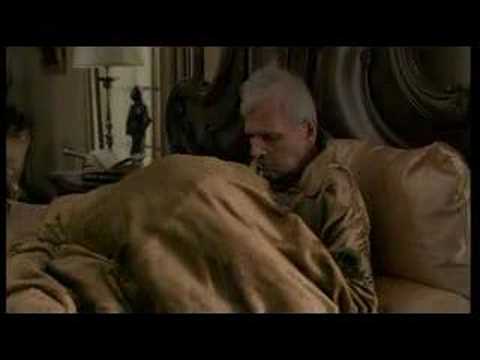 This campaign marked Audi’s return to the Super Bowl after a 17-year hiatus. CMO Scott Keogh used the platform to pivot Audi from a niche player to a direct challenger of Mercedes-Benz and BMW. While the Audi R8 supercar was the hero of the spot, the "halo effect" successfully elevated the entire lineup. Within a decade, Audi moved from the 7th most cross-shopped luxury brand to 2nd. The ad also served as an early experiment in digital strategy, as Audi "pre-released" the spot to a select email list before the game, a move that helped drive a 200% jump in web traffic on game day.
Decades of Record Growth
The strategic "attack" on old luxury paid off in long-term market share. Following the 2008 launch, Audi of America began a streak of 90+ consecutive record-setting sales months. Brand awareness surged by 83%, while purchase consideration among affluent buyers rose by 68%. By framing competitors as stagnant relics, Audi established a "Challenger" positioning that defined the brand's identity for the next decade.
Creative Strategy Deconstructed
Company
Audi possessed the R8 supercar, a high-performance halo vehicle that proved they were no longer just a sensible alternative but a true engineering powerhouse. This gave them the credibility to punch upward at the most established luxury leaders.
Category
The luxury automotive segment was dominated by an 'old guard' of brands like Mercedes-Benz, which relied on heritage and safe status symbols. These competitors had become the default, predictable choices for the wealthy elite.
Customer
A new generation of affluent buyers felt that traditional luxury cars were stagnant and uninspiring. They craved a vehicle that signaled they were disruptors and innovators rather than followers of the old establishment.
Culture
Drawing on the iconic cinematic legacy of 'The Godfather,' the campaign tapped into the archetype of the bold newcomer usurping the tired leader. It resonated with a cultural desire to see the status quo challenged.
Company
Audi possessed the R8 supercar, a high-performance halo vehicle that proved they were no longer just a sensible alternative but a true engineering powerhouse. This gave them the credibility to punch upward at the most established luxury leaders.
Category
The luxury automotive segment was dominated by an 'old guard' of brands like Mercedes-Benz, which relied on heritage and safe status symbols. These competitors had become the default, predictable choices for the wealthy elite.
Strategy:
Challenge the old luxury guard by framing the R8 as a provocative declaration of war against the establishment.
Customer
A new generation of affluent buyers felt that traditional luxury cars were stagnant and uninspiring. They craved a vehicle that signaled they were disruptors and innovators rather than followers of the old establishment.
Culture
Drawing on the iconic cinematic legacy of 'The Godfather,' the campaign tapped into the archetype of the bold newcomer usurping the tired leader. It resonated with a cultural desire to see the status quo challenged.
Strategy:
Challenge the old luxury guard by framing the R8 as a provocative declaration of war against the establishment.
Strategy Technique
Find an Enemy
The strategy leveraged tribal instincts by giving affluent buyers a clear enemy - rival luxury brands. This rallied consumers to make Audi the definitive choice, rejecting the perceived status quo.
Explore Technique
Creative Technique
Make an Enemy
Audi directly challenged consumers to make rival brands their 'enemy' by choosing Audi. This positioned Audi as the bold, confident choice, empowering a personal statement of identity and rivalry.
Explore Technique
Craft Breakdown
This campaign's craft is exceptional in its ability to tell a vivid allegorical story through highly symbolic visuals and sound, effectively positioning Audi as the future of luxury by dramatically contrasting it with an outdated, decaying past.
The meticulous detail in creating the 'old luxury' environment, from the ornate mansion to the luxurious yet grotesquely corrupted bedroom with the embedded car, powerfully symbolizes the decay of traditional luxury.
The camera work masterfully uses lighting, framing, and movement to enhance the narrative's emotional arc, transitioning from the oppressive, dim shots of decay to the sharp, dynamic portrayal of the Audi R8.
The evocative orchestral score, the disturbing sound of the leaking oil, the visceral scream, and the powerful engine roar of the R8 all contribute significantly to the ad's dramatic impact and narrative progression.
The strategic pacing and transitions, especially the abrupt shift from the man's despair to the Audi's triumphant arrival, create a powerful juxtaposition that reinforces the core message of old vs. new luxury.
“The ad's magic comes from the seamless synergy between production design that builds a symbolic world, cinematography that captures its essence, and sound design that amplifies its emotional stakes, all expertly tied together by impactful editing.”