Snapchat: Spectacles
Snap Inc. needed to transition from a software app to a 'camera company' by launching its first hardware product. They aimed to avoid the 'creepy' reputation of previous smart glasses and reach a young, trend-conscious audience. The goal was to generate massive buzz and establish the device as a must-have fashion accessory rather than a niche tech gadget.
Creative Idea
Gamified a hardware launch using mysterious, roaming vending machines to create artificial scarcity.
Snap Inc. launched its first hardware via mysterious, roaming 'Snapbot' vending machines, turning a product release into a high-stakes scavenger hunt that transformed wearable tech from a 'creepy' utility into a fun, exclusive fashion accessory.
The Scavenger Hunt That Turned Tech Into Toys
150,000 Units and a Binary Secret
The internal go-to-market team, led by Kelly Nyland and Rhenee Bartlett, bypassed traditional retail to move 150,000 units by October 2017. While the hardware eventually generated nearly $20 million in revenue, the campaign's true value was in its scarcity model. At the height of the hype, the $129.99 glasses were reselling on eBay for as much as $3,000. For those lucky enough to find a machine, the printed receipts contained a hidden Easter egg: a string of binary ASCII code that translated to "Pot Of Gold!".
The Smile With a Virtual Eye
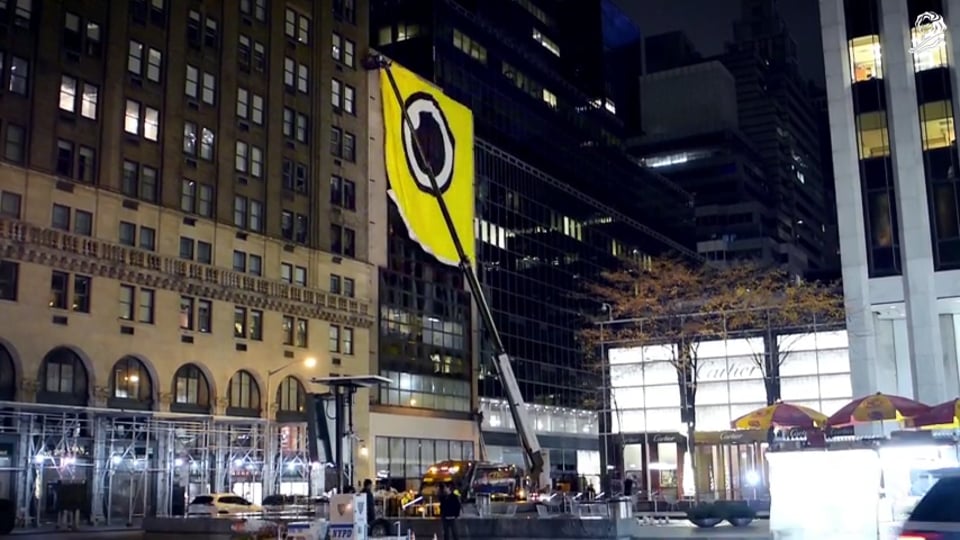
From Software to Camera Company
CEO Evan Spiegel positioned the device as a "toy" to distance it from the "creepy" reputation of Google Glass. This strategy worked initially, with users creating over 5 million Snaps by mid-2017. However, the transition to hardware was a steep learning curve. Despite the massive cultural footprint and early adoption by influencers like iJustine and CyreneQ, low long-term retention led to a $40 million write-off due to excess inventory, proving that even the most successful marketing "drop" cannot always sustain a hardware ecosystem.
Creative Strategy Deconstructed
Company
A playful brand identity and proprietary circular video technology that captured memories from a human perspective.
Category
Tech hardware launches usually focus on technical specifications, utility, and wide retail availability.
Customer
Young users wanted to capture memories effortlessly without the social awkwardness or 'creepy' stigma of existing wearable tech.
Culture
The rise of 'drop' culture and scarcity-driven hype cycles prevalent in streetwear and sneaker communities.
Company
A playful brand identity and proprietary circular video technology that captured memories from a human perspective.
Category
Tech hardware launches usually focus on technical specifications, utility, and wide retail availability.
Strategy:
Reframe high-tech wearables as low-stakes fashion toys to bypass social stigma and drive extreme exclusivity.
Customer
Young users wanted to capture memories effortlessly without the social awkwardness or 'creepy' stigma of existing wearable tech.
Culture
The rise of 'drop' culture and scarcity-driven hype cycles prevalent in streetwear and sneaker communities.
Strategy:
Reframe high-tech wearables as low-stakes fashion toys to bypass social stigma and drive extreme exclusivity.
Results
The campaign turned Spectacles into a global phenomenon. It generated millions of earned media impressions and significant social media buzz. The product sold out within minutes at every Snapbot location. The campaign achieved high engagement with thousands of people lining up for hours. It was described by Engadget as a 'phenomenon' and received widespread coverage from major news outlets. The circular video format became a signature visual style for the brand, driving high adoption of the new hardware.
100%
sell-out rate at launch locations
Millions
earned media impressions
Top 1%
social media engagement for tech launches
Strategy Technique
Flip the Conventional Wisdom
While competitors positioned smart glasses as serious productivity tools, Snap reframed them as playful, fashionable toys, removing the social stigma of wearable cameras through bright colors and fun interactions.
Explore Technique
Creative Technique
Rare product
By limiting availability to single, surprise-location vending machines, Snap created extreme FOMO and turned the act of purchasing into a viral, gamified event that generated massive organic hype.
Explore Technique
Craft Breakdown
The campaign's brilliance lies in its experiential design and media planning, turning a product launch into a scavenger-hunt-style event that generated massive organic reach.
The creation of the 'Snapbot'—a physical, character-like vending machine—transformed a simple transaction into a sought-after event.
The strategy of 'unannounced' drops in iconic locations forced organic social sharing and created a sense of extreme scarcity.
The consistent use of the bright yellow brand color and the unique circular video format created an instantly recognizable visual identity.
The use of POV circular footage effectively demonstrated the product's unique value proposition in a lifestyle context.
“The synergy between the physical Snapbot design and the digital scarcity strategy created a perfect loop of offline action and online buzz.”