Above Average: A History of Branded Content
Above Average wanted a campaign that humorously challenged perceptions of branded content's history. The client needed to showcase their unique comedic voice and expertise in creating engaging, satirical content. The goal was to entertain a media-savvy audience and reinforce Above Average's position as a leading digital comedy and branded content partner, demonstrating their creative prowess in this evolving space.
Creative Idea
Above Average created a satirical mockumentary reimagining history as branded content.
Above Average created a satirical comedy video that humorously reimagines famous historical artworks and moments as early examples of branded content marketing. The creative idea is to present a mockumentary-style narrative that playfully suggests branded content has existed throughout history, using comedic exaggeration to entertain and highlight the evolution of marketing strategies.
The Caveman Sponsored by Flint and the Art of Self Satire
From Broadway Video to B2B Viral Hit
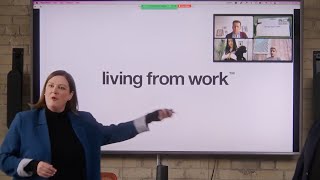
Launched during the 2015 NewFronts, this campaign leveraged the creative DNA of Lorne Michaels’ Broadway Video to speak directly to the advertising industry. While most studios were pitching "authenticity," Above Average chose to weaponize the industry's own jargon. The centerpiece video used a mock-prestige documentary tone to deliver biting insights, such as the narrator’s observation that branded content is simply "an ad you pretend is a movie so you don't feel bad about watching it." This meta-approach transformed a self-promotion piece into a viral sensation within the AdAge and Adweek communities.
The Flint Meme and Strategic Absurdity
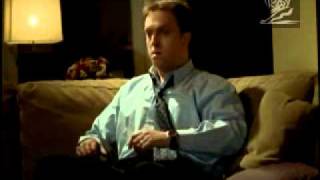
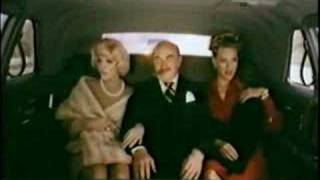
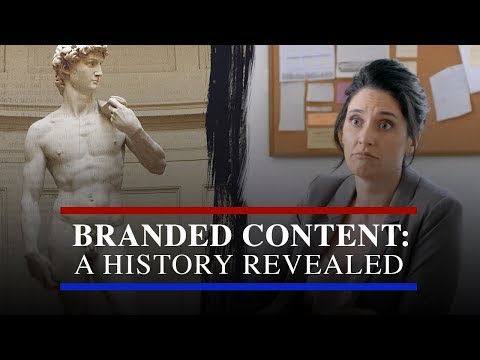 The production utilized the Above Average and SNL talent pool to create high-fidelity historical parodies. One specific scene - a caveman adding a "Sponsored by Flint" tag to a mammoth wall painting - resonated so deeply with frustrated creative directors that it became a shorthand meme for forced brand integrations. Other notable segments included a "digital guru" claiming a brand had "disrupted the concept of water" and a radio soap opera where the plot is entirely derailed by aggressive product pitches.
Turning Satire into a Service Offering
The campaign’s impact extended far beyond industry laughs. By mocking the absurdity of "storytelling" and "disruption," Above Average paradoxically proved they were the safest pair of hands for brands like Pepsi, Ford, and LexisNexis. The "History of..." format was so successful that potential clients began requesting their own versions, effectively turning a satirical stunt into a repeatable, revenue-generating service offering. It remains a definitive case study in using the "Exaggerate to Reveal the Truth" technique to build B2B trust.
Creative Strategy Deconstructed
Company
Backed by Broadway Video’s SNL legacy, Above Average possesses a high-caliber comedy pedigree and a roster of professional talent. They are masters of the 'digital short' format, blending high-quality production with internet-ready humor.
Category
Media companies often produce dry, self-congratulatory case studies or overly earnest 'thought leadership' about the future of advertising. They typically treat the term 'branded content' with clinical, corporate importance.
Customer
Marketers and audiences are exhausted by buzzword-heavy jargon and the forced 'authenticity' of modern advertising. They crave entertainment that acknowledges the industry's absurdity while proving the brand's creative capability.
Culture
In 2015, 'branded content' was the industry's biggest buzzword, often met with skepticism by audiences. There was a rising trend of meta-humor and self-aware marketing that mocked its own existence.
Company
Backed by Broadway Video’s SNL legacy, Above Average possesses a high-caliber comedy pedigree and a roster of professional talent. They are masters of the 'digital short' format, blending high-quality production with internet-ready humor.
Category
Media companies often produce dry, self-congratulatory case studies or overly earnest 'thought leadership' about the future of advertising. They typically treat the term 'branded content' with clinical, corporate importance.
Strategy:
Satirize the industry's self-important branded content obsession to prove Above Average is the ultimate master of the craft.
Customer
Marketers and audiences are exhausted by buzzword-heavy jargon and the forced 'authenticity' of modern advertising. They crave entertainment that acknowledges the industry's absurdity while proving the brand's creative capability.
Culture
In 2015, 'branded content' was the industry's biggest buzzword, often met with skepticism by audiences. There was a rising trend of meta-humor and self-aware marketing that mocked its own existence.
Strategy:
Satirize the industry's self-important branded content obsession to prove Above Average is the ultimate master of the craft.
Strategy Technique
Exaggerate to Reveal the Truth
The campaign exaggerates branded content's historical presence to humorously challenge perceptions. This reveals the pervasive, evolving nature of marketing strategies.
Explore Technique
Creative Technique
Spacetime Warp
This campaign humorously applies the modern concept of branded content to historical artworks and moments. The comedic effect stems from this anachronistic juxtaposition, creating an absurd 'history'.
Explore Technique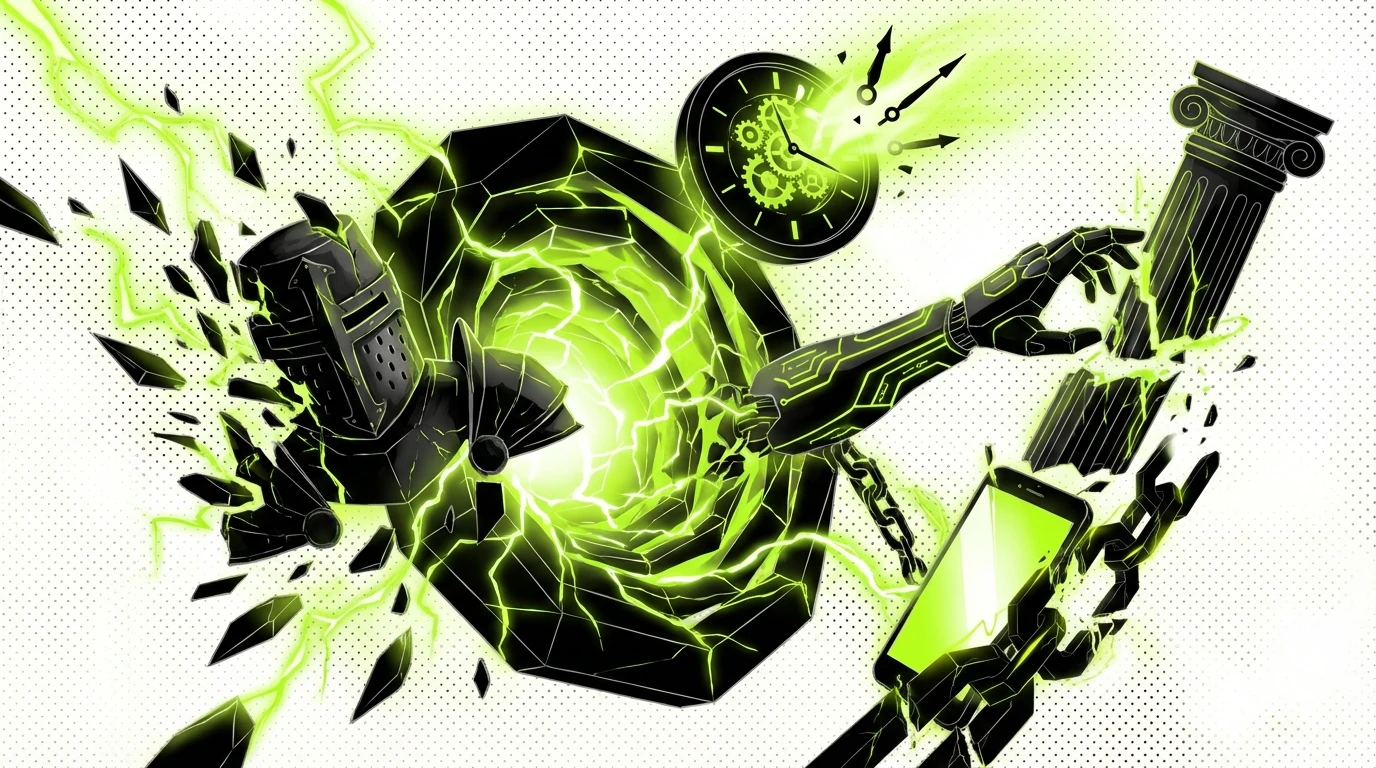
Craft Breakdown
This campaign's exceptional craft lies in its brilliant satirical copywriting and witty editing, which together create a highly engaging and self-aware mockumentary that cleverly promotes its own content.
The script is incredibly clever, blending academic jargon with absurd brand names and historical revisions to create a consistently funny and insightful satire on content marketing.
The rapid-fire editing seamlessly stitches together diverse visual styles—interviews, archival footage, animated graphics—to maintain a fast pace and maximize comedic impact, enhancing the mockumentary feel.
The actors deliver their lines with perfect comedic timing and straight-faced sincerity, making the ludicrous claims believable within the ad's satirical context.
The visual design effectively supports the narrative, from the professional interview settings to the stylized historical graphics and mock advertisements, all contributing to the playful, anachronistic aesthetic.
“The true magic of this campaign comes from the synergy between its exceptional copywriting and smart editing, which elevate the humor and allow the audience to fully appreciate the self-referential nature of the branded content.”