Volkswagen: Kids' Dreams
Volkswagen needed to rebuild trust and promote its Front Assist safety technology following the Dieselgate scandal. Grabarz & Partner was tasked with making a technical feature emotionally resonant for parents in Europe. The goal was to pivot the brand from a symbol of status to a reliable guardian of what matters most - family safety.
Creative Idea
Admitted kids don't dream of Volkswagens to prove the car protects those who do.
By admitting that children don't dream of owning a sensible Volkswagen, the brand highlights its advanced safety technology as the silent guardian that protects those very dreamers, shifting the focus from status to life-saving reliability.
The Honest Truth That Saved a Brand
A Masterclass in Corporate Self-Irony
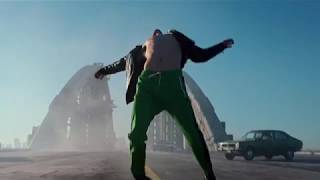
The campaign’s brilliance lies in a playful internal joke: most of the "dream cars" featured - including the Lamborghini Aventador, Porsche 911, and Bugatti Chiron - are actually owned by the Volkswagen Group. This allowed the brand to showcase its high-end engineering prowess while simultaneously poking fun at its own mass-market identity. Director Sebastian Strasser emphasized this contrast through cinematography, using a soft, slow-motion "dreamlike" aesthetic for the supercars that abruptly shifts to sharp, realistic lighting the moment the Golf 7 engages its Front Assist technology.
The Sound of Protection
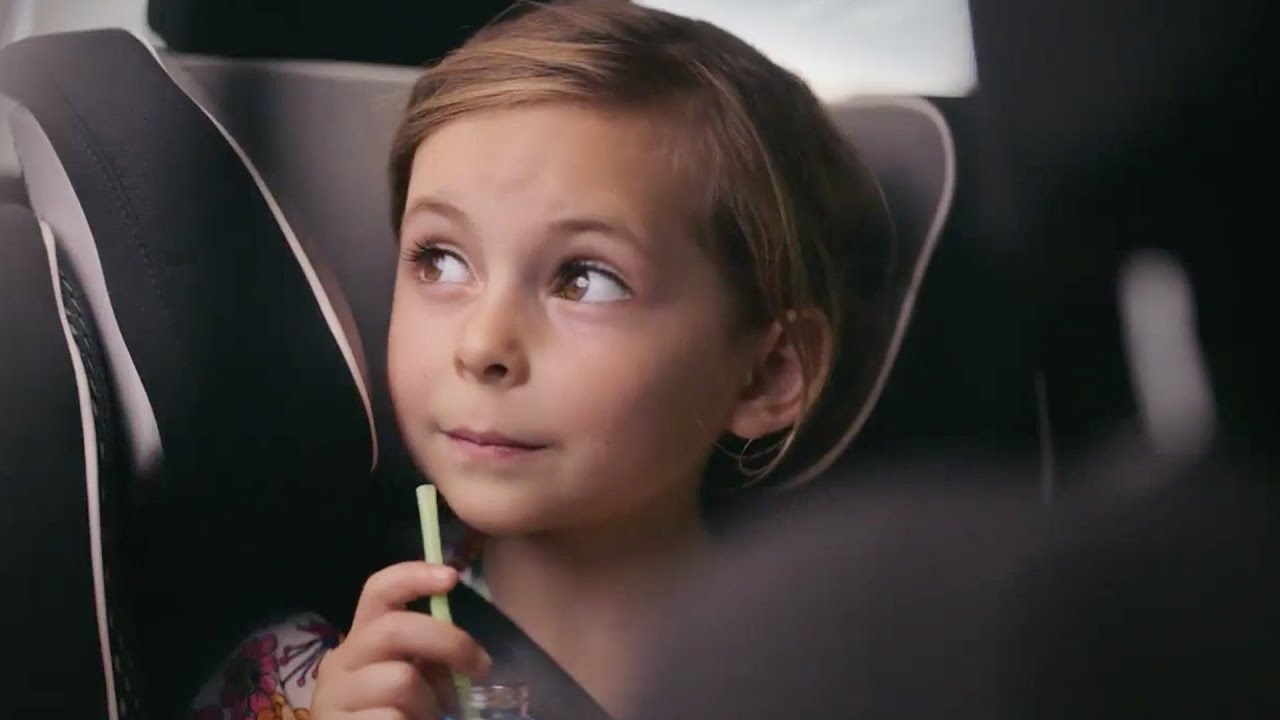 To ground the emotional narrative, the production utilized a haunting cover of "If You Could Read My Mind" by the Scala & Kolacny Brothers Belgian girls' choir. This choice helped the ad go viral almost immediately, amassing over 10 million views on social media within weeks. Beyond the digital reach, the campaign served a critical strategic purpose during the post-Dieselgate recovery. Market research following the launch showed a significant lift in "Safety" and "Trust" scores, proving that admitting a lack of "cool" could actually build immense brand credibility.
Shifting the Industry Narrative
The creative team at Grabarz & Partner noted that the goal was to be "brutally honest," acknowledging that while no child puts a poster of a Golf on their wall, every parent wants one there when it matters most. This approach marked a permanent shift in automotive advertising, moving the industry focus away from traditional driving dynamics and toward the life-saving potential of autonomous assistance systems. It remains a definitive example of how a brand can turn a perceived weakness into its greatest competitive advantage.
Creative Strategy Deconstructed
Company
A portfolio of advanced safety features like Front Assist that provide real-world protection in critical moments.
Category
Automotive brands usually focus on performance, status, or lifestyle aspirations to drive emotional connection with buyers.
Customer
Parents who prioritize their children's safety above all else but feel the pressure of status-driven car culture.
Culture
A culture that idolizes high-performance supercars while overlooking the invisible technology that keeps everyday life safe.
Company
A portfolio of advanced safety features like Front Assist that provide real-world protection in critical moments.
Category
Automotive brands usually focus on performance, status, or lifestyle aspirations to drive emotional connection with buyers.
Strategy:
Sacrifice brand ego to establish functional superiority through self-deprecating honesty and emotional protection.
Customer
Parents who prioritize their children's safety above all else but feel the pressure of status-driven car culture.
Culture
A culture that idolizes high-performance supercars while overlooking the invisible technology that keeps everyday life safe.
Strategy:
Sacrifice brand ego to establish functional superiority through self-deprecating honesty and emotional protection.
Strategy Technique
Turn Weakness Into Strength
By leaning into the truth that VW isn't an aspirational poster car for kids, the brand positions its practical technology as the essential protector of the next generation's dreams.
Explore Technique
Creative Technique
Honesty
The campaign uses brutal honesty about the brand's lack of "cool" factor compared to supercars to build immense credibility for its superior safety features when they matter most.
Explore Technique
Craft Breakdown
The ad's power lies in its humble self-awareness and the perfect marriage of a haunting soundtrack with high-end cinematography.
The lighting and framing elevate everyday street scenes into something poetic and dreamlike.
The bold admission that 'Hardly any child dreams of a Volkswagen' creates an incredibly strong and honest brand positioning.
“The subversion of typical car ad tropes (speed and glamour) through honest copy and somber music creates a unique emotional resonance.”