Cogoo: Saddle Blossoms
Cogoo needed to raise public awareness about the pervasive problem of two million bicycles abandoned annually in Japan. The client aimed to emotionally engage the general public to highlight this issue and ultimately increase adoption of their bicycle sharing service.
Creative Idea
Abandoned bicycle saddles were transformed into blooming planters, visualizing the bikes' lost time.
Cogoo transformed two million annually abandoned bicycle saddles into blooming planters, creating a 'bicycle parking gallery' to visualize the bikes' 'abandoned time' and emotionally engage the public, ultimately boosting their bicycle sharing service by 600% as a sustainable solution.
Turning Abandoned Time Into Urban Art Galleries
The Botanical Engineering of Saddles
To make the "invisible" problem of two million abandoned bicycles visible, TBWA\Hakuhodo collaborated with botanical specialist Minamototadashi Kato from Hanaya Kato Kichi. The team didn't just place flowers on seats; they hollowed out rusted saddles to create miniature, functional planters. They specifically engineered the project using resilient, fast-growing species like *Sarracenia*, *Meconopsis*, *Nertera*, and *Amaryllis* to ensure the "blossoms" could survive Tokyo’s harsh urban environment. Creative Director Kenta Ikoma noted that while people ignore abandoned bikes, they instinctively stop for flowers, allowing the team to transform neglected parking lots into temporary art galleries.
A Multiplier Effect for Sustainability
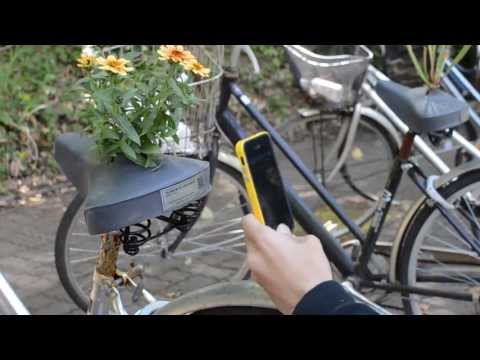 The campaign, titled "The Exhibition of Abandoned Time," used the growth of the plants to represent the literal time the bicycles had been left to rot. Each installation featured a QR code that linked passersby directly to the Cogoo bike-sharing registration page. This direct-response element created a "multiplier effect" - for every one bicycle recycled through the program, an estimated ten bicycles were prevented from being abandoned. The strategy successfully shifted the perception of cheap "mamachari" bikes from disposable commodities to a shared community resource.
From Campus Pilot to Government Policy
Originally piloted at two major Tokyo universities where traditional warning stickers had failed, the initiative achieved a 40% reduction in abandoned bikes at test sites. The behavioral shift was so pronounced that the local Tokyo government eventually partnered with the agency to scale the cleanup efforts city-wide. Beyond the environmental impact, the campaign served as a massive growth engine for the brand, resulting in a tremendous surge in new user registrations and establishing Cogoo as the primary sustainable alternative to bicycle ownership in the city.
Creative Strategy Deconstructed
Company
Cogoo possessed the capability to collect, recycle, and re-purpose abandoned bicycle parts into a public art exhibition.
Category
The category typically ignored the pervasive problem of abandoned bicycles, seeing them as mere urban clutter.
Customer
The audience felt indifferent to abandoned bicycles but responded emotionally to beautiful, unexpected art and nature.
Culture
A cultural shift towards sustainability, upcycling, and engaging public art installations provided a receptive environment.
Company
Cogoo possessed the capability to collect, recycle, and re-purpose abandoned bicycle parts into a public art exhibition.
Category
The category typically ignored the pervasive problem of abandoned bicycles, seeing them as mere urban clutter.
Strategy:
Reframe urban neglect as a poignant opportunity to engage public consciousness through unexpected beauty.
Customer
The audience felt indifferent to abandoned bicycles but responded emotionally to beautiful, unexpected art and nature.
Culture
A cultural shift towards sustainability, upcycling, and engaging public art installations provided a receptive environment.
Strategy:
Reframe urban neglect as a poignant opportunity to engage public consciousness through unexpected beauty.
Results
The number of customers for COGOO's bicycle sharing service increased by 600 percent after the Saddle Blossoms Campaign. It is stated that 1 shared bicycle will save about 10 bicycles from being abandoned.
600%
increase in customers
10x
bicycles saved per shared bike
Strategy Technique
Make the Invisible Visible
The campaign made the abstract concept of 'abandoned time' visible by transforming abandoned bicycle parts into living art. This tangible visualization highlighted the overlooked problem of bicycle abandonment.
Explore Technique
Creative Technique
Use Art
The campaign literally transformed discarded bicycle saddles into unique planters, creating public art installations. This artistic approach captured public attention and emotional engagement for an overlooked problem.
Explore Technique
Craft Breakdown
The campaign's craft is exceptional in transforming abandoned bicycles into evocative art installations through meticulous physical production, thoughtful aesthetic design, and engaging digital content, creating a powerful interactive experience.
The physical transformation of discarded bicycle saddles into functional planters and their curated re-attachment to bicycles to form a 'bicycle parking gallery' showcases meticulous hands-on craftsmanship and installation design.
The deliberate choice of specific plant types, their evocative naming, and the stark visual contrast between vibrant flora and decaying bicycles effectively conveyed the campaign's message and aesthetic vision.
The production of time-lapse videos, accessible via QR codes, beautifully captured the slow, deliberate growth of the plants, making the concept of 'abandoned time' visually compelling for the audience.
The innovative integration of QR codes that seamlessly linked the physical art installations to digital content deepened audience engagement and enhanced the storytelling by allowing interaction with the plants' growth journey.
“The magic of this campaign lies in the synergy between the tangible, physically crafted art installation and the digitally accessible content, creating a multi-layered, interactive experience that amplifies the campaign's message.”