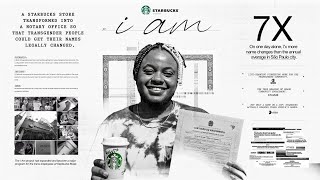
Starbucks: I Am Working
Starbucks Brazil and VMLY&R sought to deepen their commitment to the trans community. Despite the success of the 'I Am' name-change project, trans people still faced 90% unemployment rates. The goal was to move from legal identity to economic survival, helping trans individuals secure formal jobs and professional dignity within Starbucks and partner companies to combat systemic poverty and discrimination.
Creative Idea
Starbucks turned its stores into recruitment hubs to provide trans people with formal employment contracts.
Starbucks leveraged its iconic ritual of writing names on cups to provide trans people with more than just identity recognition, transforming stores into recruitment hubs to offer professional dignity and formal employment in a country with high trans exclusion.
From Writing Cups to Signing Contracts
Beyond the Name on the Cup
The project was born from a poignant observation by VMLY&R Brazil creatives: for many trans individuals, a Starbucks barista calling out their chosen name was the first time they felt recognized by society. While the initial 2020 "I Am" project focused on the legal bureaucracy of name changes, "I Am Working" addressed the 90% unemployment rate within the Brazilian trans community. Chief Creative Officer Rafael Pitanguy described the shift as moving from "representation" to "actionable dignity," ensuring that a legal identity was backed by a livelihood.
The Haddock Lobo Recruitment Hub
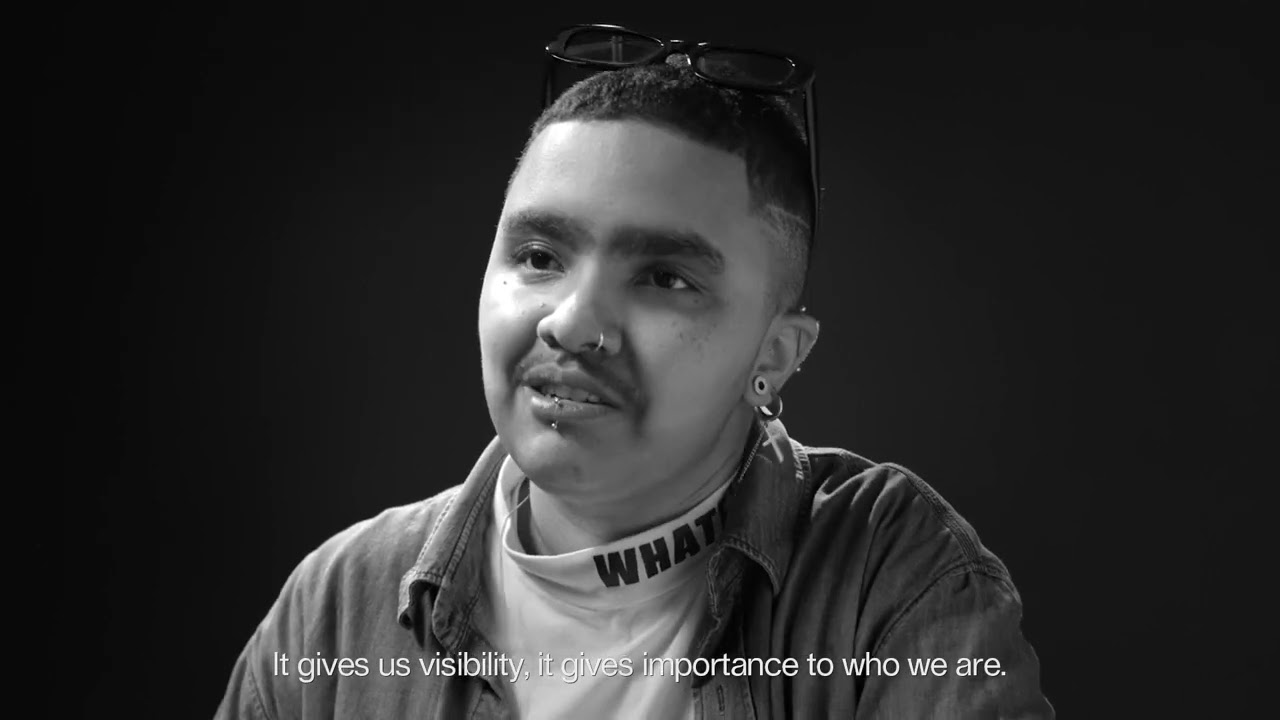 To execute the campaign, Starbucks transformed its flagship store on Haddock Lobo Street in São Paulo into a dedicated recruitment center. Decorated with the transgender flag, the store served as a "safe space" where applicants received "Interview Kits" featuring resume-writing tips and skills tests. This initiative, supported by SouthRock Director Sandra Collier, resulted in 7 immediate hires across the group's portfolio, including 4 new Starbucks partners.
A Legacy of Systemic Change
The impact extended far beyond a single hiring cycle. Since the project's inception, over 100 people have successfully amended their birth certificates through Starbucks' legal clinics. The brand sustains this work by donating the net profit from the Pride Frappuccino® to local NGOs Casa 1 and Casa Florescer. By 2023, the program reached a record number of registrations, proving that the "Starbucks office" had become a vital institution for professional development in a market where trans people are historically excluded from formal labor.
Creative Strategy Deconstructed
Company
A global retail footprint and a brand ritual centered on the dignity of being called by one's true name.
Category
Often limits LGBTQ+ support to rainbow logos and seasonal products without addressing the root causes of social vulnerability.
Customer
Trans individuals in Brazil who face extreme professional marginalization and desire the dignity of formal, registered employment.
Culture
A cultural reality where 90% of trans people are pushed into sex work due to systemic hiring discrimination.
Company
A global retail footprint and a brand ritual centered on the dignity of being called by one's true name.
Category
Often limits LGBTQ+ support to rainbow logos and seasonal products without addressing the root causes of social vulnerability.
Strategy:
Leverage a symbolic brand ritual to create tangible economic pathways for a marginalized community facing systemic exclusion.
Customer
Trans individuals in Brazil who face extreme professional marginalization and desire the dignity of formal, registered employment.
Culture
A cultural reality where 90% of trans people are pushed into sex work due to systemic hiring discrimination.
Strategy:
Leverage a symbolic brand ritual to create tangible economic pathways for a marginalized community facing systemic exclusion.
Results
The campaign successfully turned Starbucks stores into recruitment hubs to address the 56% of trans people in Brazil suffering from starvation and the 90% who fall into compulsory prostitution. The initiative provided career coaching by experienced recruiters and facilitated direct hiring by partner companies. Multiple participants are shown receiving their first official work contracts, representing a significant shift in visibility and professional inclusion for the trans community in the Brazilian labor market.
56%
of trans people in Brazil suffer from starvation
90%+
fall into compulsory prostitution
100%
of participants received career coaching
Strategy Technique
Turn Brand Values Into Action
Starbucks transformed its core brand promise of inclusion into a tangible employment program, proving that its commitment to the trans community extends from name recognition to economic empowerment.
Explore Technique
Creative Technique
Take a Real Stand
The campaign moves beyond symbolic support by using physical retail locations as active recruitment centers, directly tackling the systemic exclusion of trans individuals from the formal Brazilian labor market.
Explore Technique
Craft Breakdown
The campaign excels through its profound empathy and the seamless integration of brand identity with social utility. It moves beyond awareness into tangible life-changing action.
Transforming physical retail spaces into functional recruitment hubs for a marginalized community is a masterclass in purposeful brand utility.
The high-contrast black and white photography elevates the subjects, giving them a sense of timeless dignity and focus.
The simple evolution of the 'I Am' tagline to 'I Am Working' perfectly captures the campaign's progression from identity to agency.
The consistent use of the green line graphic provides a visual thread that connects the brand to the human stories without being intrusive.
“The power of the work comes from the synergy between the stark, dignified cinematography and the radical physical transformation of the Starbucks stores.”