Domino's: Pizza Turnaround
Domino's faced a crisis: they were leaders in delivery but ranked last in taste, with consumers comparing their pizza to cardboard. They tasked Crispin Porter + Bogusky with rehabilitating the brand's quality perception among cynical fast - food eaters. The goal was to drive trial of a completely new recipe and reverse years of declining same - store sales by proving the brand finally listened.
Creative Idea
Admitted the pizza was terrible to make the new recipe's quality claim actually believable.
Domino's launched a documentary - style campaign that publicly embraced its harshest criticisms - like the crust tasting like cardboard - to prove a total recipe overhaul, using radical honesty to rebuild trust and invite skeptics to taste the improvement.
Blowing Up the Bridge with Radical Honesty
The Cardboard Wall of Shame
To fuel the creative process, Crispin Porter + Bogusky (CP+B) didn't just read market research; they printed out the most vitriolic customer comments and plastered them across the walls of the Domino’s headquarters in Ann Arbor. This "cardboard wall" served as a constant, painful reminder of the brand's reputation. The agency hired a documentary crew to film real employees watching focus group footage where participants compared their life's work to "ketchup on a cracker." This raw, unscripted footage became the backbone of the Pizza Turnaround documentary, which launched on December 28, 2009.
Unfiltered in Times Square
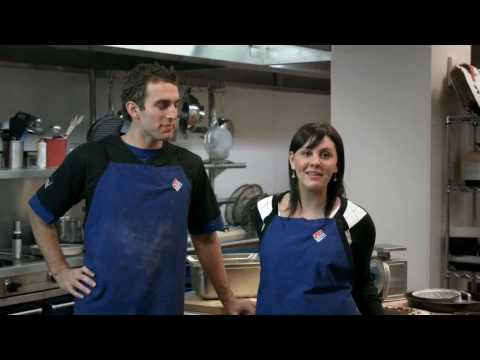 The campaign’s commitment to transparency reached a fever pitch with a digital billboard in Times Square that displayed a live, uncensored Twitter feed. Any comment tagged with the campaign hashtag appeared on the massive screen - even the negative ones. This "self - deprecating" strategy was architected by CMO Russell Weiner, who famously compared the move to Sun Tzu’s *The Art of War*, noting that the best way to win is to "blow up the bridge" so there is no path for retreat.
The Bill Johnson Stunt
In a move that blurred the line between marketing and stalking, the brand tracked down a specific vocal critic named Bill Johnson. They saturated his entire neighborhood with custom flyers reading, "Bill Johnson, you'll love our new cheese!" until he finally agreed to a doorstep taste test. This level of personal accountability helped drive a 14.3% increase in same - store sales in Q1 2010, the largest quarterly jump in fast - food history. Over the next decade, this pivot allowed the brand's stock to surge by more than 6,000%, famously outperforming tech giants like Apple and Amazon.
Creative Strategy Deconstructed
Company
A massive delivery infrastructure and a leadership team willing to admit the core product was failing.
Category
Fast food brands typically use "new and improved" marketing fluff to mask declining quality or stagnant recipes.
Customer
Customers felt betrayed by a brand that prioritized speed over taste, viewing the pizza as a last resort.
Culture
A growing cultural demand for transparency and "realness" over polished, corporate advertising in the early social media era.
Company
A massive delivery infrastructure and a leadership team willing to admit the core product was failing.
Category
Fast food brands typically use "new and improved" marketing fluff to mask declining quality or stagnant recipes.
Strategy:
Weaponize public failure to create a narrative of radical transformation and earn back consumer permission to exist.
Customer
Customers felt betrayed by a brand that prioritized speed over taste, viewing the pizza as a last resort.
Culture
A growing cultural demand for transparency and "realness" over polished, corporate advertising in the early social media era.
Strategy:
Weaponize public failure to create a narrative of radical transformation and earn back consumer permission to exist.
Results
The video focuses on the brand's radical transparency and the complete reinvention of their core product. While specific sales figures are not listed in this particular edit, it highlights the transition from a 9,000 restaurant global footprint to a new quality-first era. The campaign was widely recognized for its honesty, leading to a significant turnaround in brand perception and eventually driving some of the highest same-store sales growth in the industry's history at the time.
9,000
restaurants worldwide
100%
recipe overhaul
50
years of brand history
Strategy Technique
Find the Brand Truth
"Find the Brand Truth" fits Domino's Pizza Turnaround because it leveraged the uncomfortable truth of negative perceptions - cardboard crust - to fuel a transparent and ultimately credible brand reinvention. This honesty, acknowledging past failures, became the authentic foundation for proving real change and rebuilding customer trust.
Explore Technique
Creative Technique
Honesty
The campaign's power came from its refusal to sugarcoat failure, using real negative feedback and unscripted employee reactions to create an undeniable sense of authenticity and commitment to change.
Explore Technique
Craft Breakdown
The campaign's power lies in its radical honesty and copywriting, turning negative brand sentiment into a narrative of redemption. The use of actual employees instead of actors lends an authentic, human weight to the corporate apology.
The script takes the bravest possible route by highlighting the worst things said about the brand to build trust.
The 'performances' by actual employees feel genuine and unscripted, making the brand's stakes feel personal.
“The synergy between the raw documentary-style footage and the self-deprecating script creates a 'radical transparency' that was revolutionary for a major QSR brand.”