VW: Keeping Up With the Kremplers
Volkswagen needed to reinforce its value proposition to a broad audience, positioning its vehicles as a financially intelligent choice. The goal was to show how choosing VW enabled consumers to afford more, challenging the perception that status required expensive purchases.
Creative Idea
A neighbor bought a VW and many items for the same cost as an expensive car.
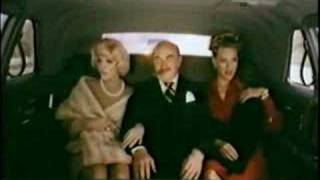
Volkswagen cleverly leveraged the "keeping up with the Joneses" trope, demonstrating its superior value by contrasting a neighbor who bought a VW and many household items for $3,000 with another who bought only an expensive car for the same initial investment, proving smart spending leads to more.
The Math of Outsmarting the Joneses
A 175x return on investment
While modern digital metrics didn't exist in 1967, the financial impact of the DDB era was staggering. This specific strategy helped grow U.S. sales from a mere 2 units in 1949 to over 350,000 annual units by the late 1960s. Historical analysis suggests the campaign delivered a 175x Return on Investment (ROI) over its lifespan. Beyond the numbers, it performed a psychological miracle - transforming a vehicle once associated with Nazi Germany into a symbol of American counter-culture intelligence and thrift.
The sweaty palms of John Noble
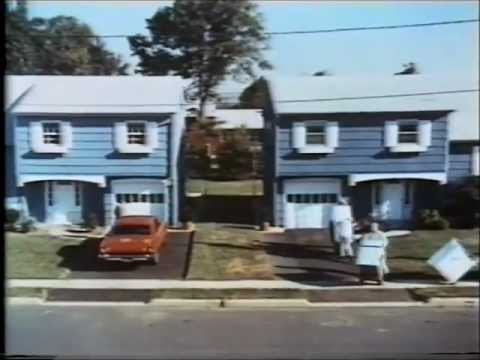 Taking over the VW account was a daunting task for the creative team. Copywriter John Noble famously recalled that his "hands were sweaty and collar was too tight" because he feared all the great Volkswagen ads had already been written. Under the direction of Bill Bernbach, Noble and Art Director Roy Grace leaned into a "math problem" structure. They used a specific $3,000 budget - the exact price of a standard Ford or Chevy sedan at the time - to prove that a $1,600 Beetle left enough cash for a refrigerator, range, washer, dryer, record player, and two TVs.
Red cars and recession logic
To make the comparison pop, the production team used a bright red Beetle for Mr. Krempler, contrasting it against the drab, nondescript sedan of Mr. Jones. The timing was precise; launched during a mini-recession fueled by the Vietnam War, the ad’s focus on "stretching the dollar" resonated with a middle class facing rising inflation. By choosing the name Krempler - which sounded more modest and Germanic - DDB flipped social hierarchy on its head, suggesting the "smart" neighbor was the one to envy.
Creative Strategy Deconstructed
Company
Volkswagen's brand strength was its reputation for delivering exceptional value and affordability in its vehicles.
Category
The automotive category often promoted luxury and status, focusing on high-priced vehicles as symbols of success.
Customer
Customers desired smart purchasing decisions, wanting to maximize their spending power and avoid buyer's remorse.
Culture
The cultural phenomenon of 'keeping up with the Joneses' created a relatable tension around material possessions and perceived status.
Company
Volkswagen's brand strength was its reputation for delivering exceptional value and affordability in its vehicles.
Category
The automotive category often promoted luxury and status, focusing on high-priced vehicles as symbols of success.
Strategy:
Demonstrate superior value by contrasting the tangible benefits of smart spending against superficial status.
Customer
Customers desired smart purchasing decisions, wanting to maximize their spending power and avoid buyer's remorse.
Culture
The cultural phenomenon of 'keeping up with the Joneses' created a relatable tension around material possessions and perceived status.
Strategy:
Demonstrate superior value by contrasting the tangible benefits of smart spending against superficial status.
Strategy Technique
Exaggerate to Reveal the Truth
The campaign exaggerated the number of items one could acquire alongside a VW for a modest sum, dramatically revealing the truth about the brand's exceptional value proposition.
Explore Technique
Creative Technique
Compare & Contrast
The campaign directly compared two neighbors' purchasing decisions, highlighting the stark difference in what $3,000 could buy - a single expensive car versus a VW and numerous other goods.
Explore Technique