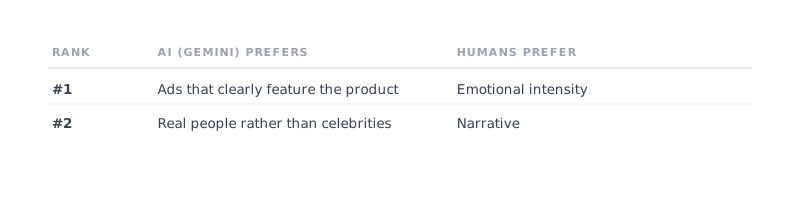
AI and human audiences rank almost opposite creative traits as their top two preferences.
StatAI
AI's top two creative preferences: ads that clearly feature the product, and real people rather than celebrities. Humans' top two: emotional intensity and narrative. The two audiences reward nearly opposite creative choices.
Source
Cannes Lions 2026 - Creative Impact Unpacked: Can Creativity Win Models as Well as Minds? (WARC x Jellyfish x INSEAD) (2026)
Amy Rogers (WARC), Tom Roach (Jellyfish), David Dubois (INSEAD), Natasha Wallace (Jellyfish)
00:20:30, David Dubois
Go to the originalMore from this source
StatHuman and AI effectiveness scores of 480 Cannes ads show zero correlation.StatStructured ad metadata explains AI's judgments about 3x better than it explains humans' judgments.PrincipleHuman ad perception works in wide beam (gestalt, story, emotion); LLM perception works in narrow beam (features, claims, structure).CaseShare of Model is not share of mindStatLong-term brand equity drives 63% of LLM visibility.CaseHumans prefer slow-motion product video while the LLM prefers regular motion for the same asset.WarningA ski brand's prized "rigidity" claim got read by the LLM as a negative because of Reddit/YouTube training data.WarningOver-optimizing creative for AI models risks a second crisis of creative effectiveness.Quote"Be first on a ranking. And if the ranking doesn't exist, create one - because that's how you're going to convince the model that you're worth considering." - David Dubois on hierarchical dominance in LLM visibility.PrincipleBrands become legible to AI models when flattened into plain, descriptive, functional language without losing their texture.StatOne in four sources AI models cite is a YouTube video.PrincipleLLMs act as systematic, product-centric deciders at the evaluation stage of the customer journey.