Brands leave their own character on television instead of using it where the impressions are
StatBrand & Creativity
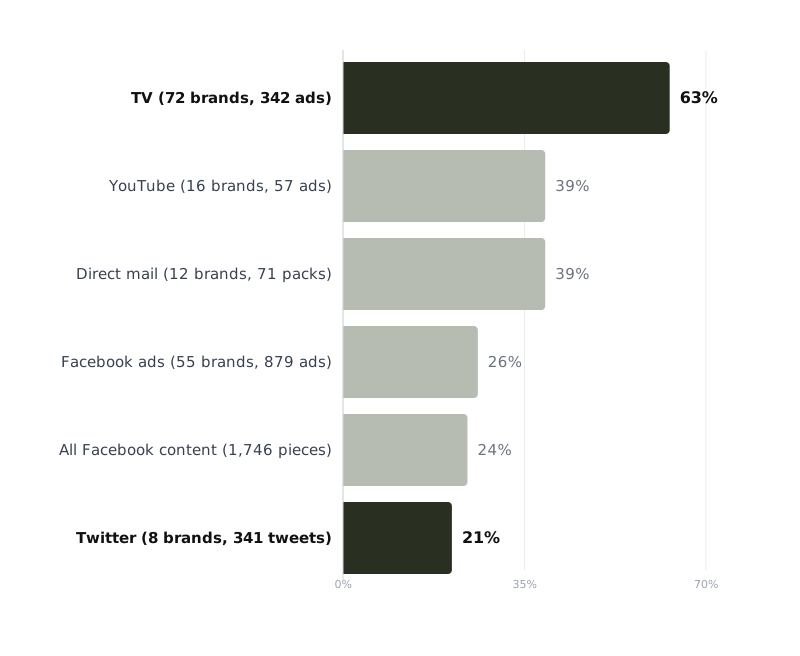
Even brands that own a Fluent Device largely confine it to television. Among UK brands advertising on TV with a device, it appears in 63% of their TV ads but only 39% of YouTube ads, 39% of direct mail packs, 26% of Facebook ads, 24% of all Facebook content and 21% of tweets.
Source
Fluent Devices Case Study - Creativity & Effectiveness: Developing creative best practice for long-term growth in a multi-platform world (System1 Group) (2019)
System1 Group; Fluent Devices research led by Orlando Wood, IPA Databank effects measured with Peter Field
Slide 25, System1, all ads for UK brands advertising on TV with a Fluent Device, with Ebiquity, Picasso Labs, Facebook, Royal Mail, Twitter and YouTube
Go to the originalMore from this source
PrincipleFluent Device - a brand-owned character that carries the drama across more than one adStatCampaigns with a brand character are more likely to deliver very large long-term effectsStatA brand character raises the odds of very large market share and profit effects by roughly a thirdWarningBrand characters do not buy you pricing powerStatBrand characters shift the whole distribution of emotional response upwardPrincipleA recurring character makes correct brand attribution close to automaticStatAlmost no advertising uses a brand character, which is exactly why it still worksStatThe use of brand characters in award-winning long-term campaigns has collapsed since 1992WarningThe pursuit of relevance may be what killed the brand characterCaseBritish Gas and Wilbur the Penguin in a single static press adPrincipleFame, Feeling and Fluency - the three things advertising has to producePrincipleEmotional response acts as a multiplier on share of voice, not an alternative to it