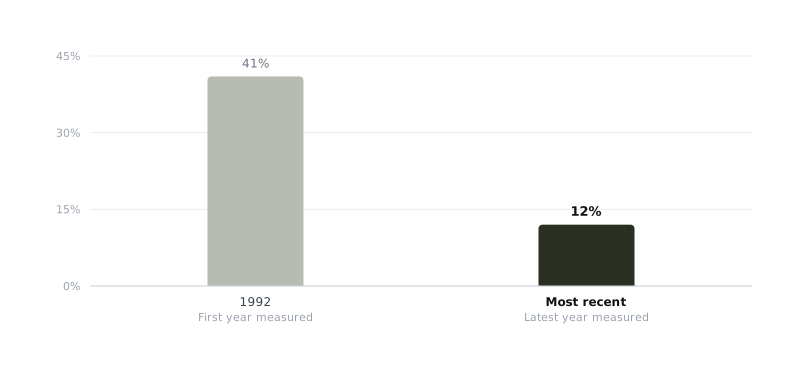
The use of brand characters in award-winning long-term campaigns has collapsed since 1992
StatBrand & Creativity
Across all 492 IPA long-term campaigns since 1992, the share of submissions using a character or slogan Fluent Device fell from 41% in 1992 to 12% in the most recent year measured. The industry did not test the device and reject it, it drifted away from it.
Source
Fluent Devices Case Study - Creativity & Effectiveness: Developing creative best practice for long-term growth in a multi-platform world (System1 Group) (2019)
System1 Group; Fluent Devices research led by Orlando Wood, IPA Databank effects measured with Peter Field
Slide 23, System1 review of all 492 IPA long-term campaigns since 1992
Go to the originalMore from this source
PrincipleFluent Device - a brand-owned character that carries the drama across more than one adStatCampaigns with a brand character are more likely to deliver very large long-term effectsStatA brand character raises the odds of very large market share and profit effects by roughly a thirdWarningBrand characters do not buy you pricing powerStatBrand characters shift the whole distribution of emotional response upwardPrincipleA recurring character makes correct brand attribution close to automaticStatAlmost no advertising uses a brand character, which is exactly why it still worksWarningThe pursuit of relevance may be what killed the brand characterStatBrands leave their own character on television instead of using it where the impressions areCaseBritish Gas and Wilbur the Penguin in a single static press adPrincipleFame, Feeling and Fluency - the three things advertising has to producePrincipleEmotional response acts as a multiplier on share of voice, not an alternative to it