Degree: Degree Inclusive
Unilever's Degree wanted to move beyond generic movement messaging to demonstrate a genuine commitment to inclusivity. Wunderman Thompson Buenos Aires was tasked with identifying how the brand could support the 15% of the global population living with disabilities. The goal was to solve physical barriers preventing these underserved consumers from using personal care products independently, thereby driving long-term brand equity and social impact.
Creative Idea
Redesigned deodorant packaging into an adaptive tool co-created with the disabled community.
Degree redesigned the fundamental architecture of deodorant packaging to be accessible for people with visual and motor impairments, proving that true brand purpose means solving physical barriers to movement for the most underserved communities.
The Deodorant Designed to be Opened with Your Teeth
200 Prototypes and a Magnetic Snap
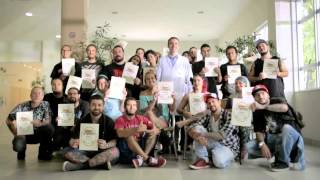
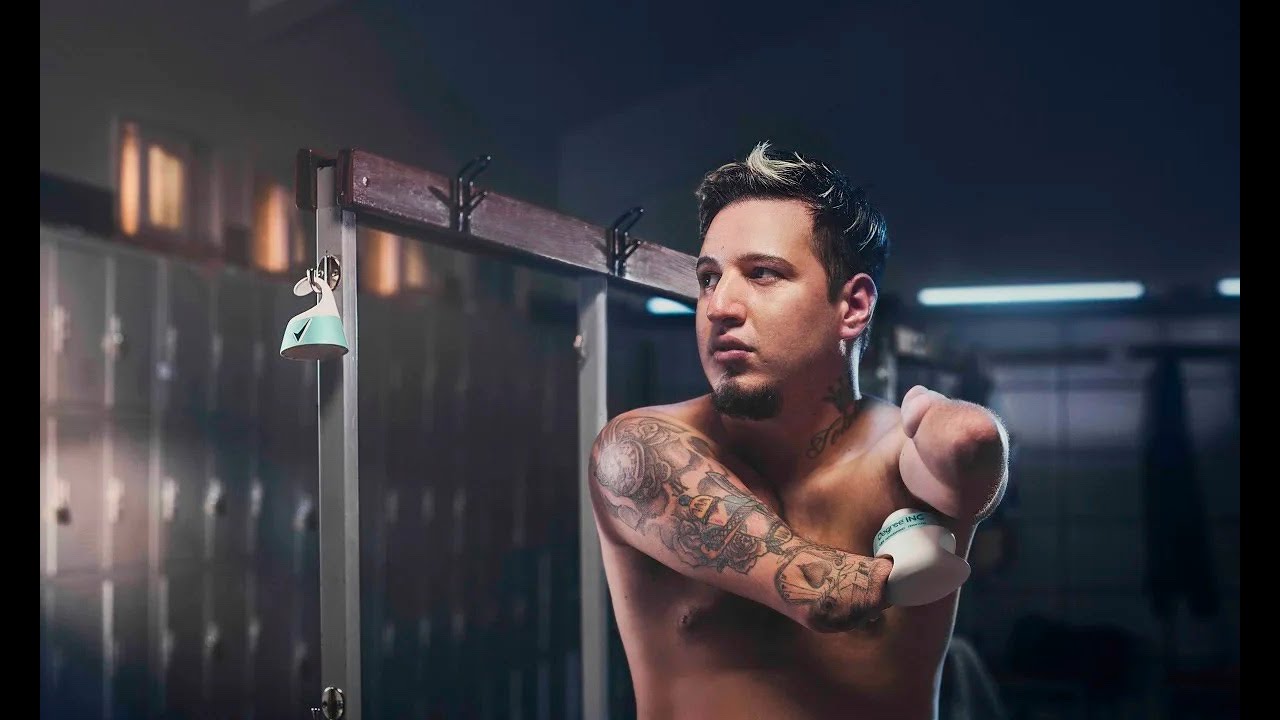
The development process was an exhaustive exercise in co-creation, moving far beyond traditional focus groups. Lead designer Christina Mallon, who lost the use of her arms due to motor neuron disease, spearheaded the project alongside SOUR and occupational therapists. The team cycled through 200 prototypes to solve for fine motor skill barriers. Key innovations included a hooked cap for one - handed hanging, a braille label, and a magnetic closure that snaps into place without the need for twisting. The design is so versatile it can be operated using the mouth or feet, ensuring independence for users with zero arm mobility.
Billions of Impressions and Sales Lift
 The beta launch in the United States and United Kingdom generated a massive cultural footprint, securing over 2 billion earned media impressions in just 12 days. Beyond the PR buzz, the initiative proved the business case for inclusive design. A 2024 Unilever study linked to the campaign revealed that inclusive advertising delivers 3.5% higher short - term sales and a significant 16% higher long - term sales lift. Organic engagement with the Degree brand doubled immediately following the launch, proving that solving for the "extreme user" resonates with the mass market.
Authentic Representation on Screen
The campaign films avoided traditional celebrity gloss, featuring real athletes like Maria, a blind professional skater, and Nick, a boxer and barber with no hands. Professional surfer Bethany Hamilton also joined the broader mission. To ensure the content was as accessible as the product, the production team utilized high - contrast typography, audio descriptions, and closed captioning, setting a new standard for inclusive delivery in the personal care industry.
Creative Strategy Deconstructed
Company
A global leader in personal care with a mission to inspire confidence in movement for everyone.
Category
The personal care category designs for universal standards that actually exclude millions with physical or visual disabilities.
Customer
People with disabilities want independence in their daily hygiene routines but are frustrated by inaccessible, standard packaging.
Culture
Growing global demand for radical accessibility and the realization that inclusive design benefits everyone, not just the minority.
Company
A global leader in personal care with a mission to inspire confidence in movement for everyone.
Category
The personal care category designs for universal standards that actually exclude millions with physical or visual disabilities.
Strategy:
Solve a fundamental physical barrier to entry to transform brand purpose into a functional, life-changing utility.
Customer
People with disabilities want independence in their daily hygiene routines but are frustrated by inaccessible, standard packaging.
Culture
Growing global demand for radical accessibility and the realization that inclusive design benefits everyone, not just the minority.
Strategy:
Solve a fundamental physical barrier to entry to transform brand purpose into a functional, life-changing utility.
Results
The campaign achieved massive global reach and engagement, including over 2 billion media impressions and 72k organic impressions in just one week. It received widespread acclaim from major publications like Glamour, Elle, Adweek, and Forbes. The product was hailed as a 'game changer' by the disability community, with significant positive sentiment across social media platforms. The project also fostered partnerships with organizations like the Muscular Dystrophy Association.
2B+
media impressions
72k
organic impressions in 1 week
200+
prototypes created
Strategy Technique
Build an Utility, Not an Ad
Degree moved beyond traditional storytelling by creating a functional tool that solved a daily frustration, transforming the brand's movement mission into a tangible, life-changing utility for an overlooked audience.
Explore Technique
Creative Technique
Turn Message into Product
Instead of just talking about inclusion, Degree engineered a physical solution that addressed the specific motor and sensory needs of disabled users, making the product itself the ultimate proof of brand purpose.
Explore Technique
Craft Breakdown
This campaign's excellence lies in its genuine commitment to inclusive design and the high-end 3D visualization that makes the innovation feel tangible.
The physical product design solves complex ergonomic challenges through elegant, functional innovation.
The exploded-view animations clearly communicate the technical features of the adaptive packaging.
The athletic sequences are shot with a cinematic intensity that treats the subjects as elite performers.
The manifesto lines about the 'right to sweat' cleverly link the brand's core purpose to human rights.
“The synergy between the industrial design of the product and the cinematic portrayal of its users creates a powerful narrative of dignity and performance.”