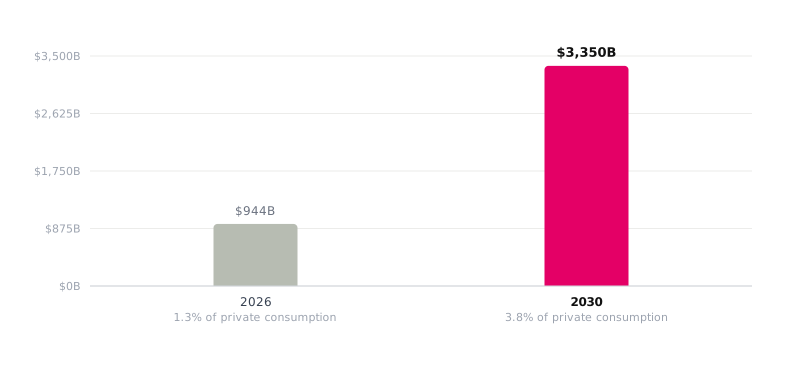
Agentic AI-mediated consumer spending will triple from $944 billion in 2026 to $3.35 trillion by 2030.
StatAI
Agentic AI will facilitate $944 billion of global consumer spending in 2026 (1.3% of private consumption), tripling to $3.35 trillion by 2030 (3.8%).
Source
PHD × WARC: From Abundance to Agents - How the delegation of choice is transforming marketing (2026)
PHD (Omnicom) & WARC; contributors James McDonald, Katie Sterling, Rohan Tambyrajah, Matt Prentis
s. 3
Go to the originalMore from this source
StatThe US will lead global agentic AI consumer spending in 2030 with 31.9% ($1.1 trillion), ahead of China (15.1%) and the UK (4.9%).StatTelecoms & utilities will grow 611.9% to become the largest agentic commerce category by 2030, at $410.3 billion.PrincipleThe Four Modes Framework maps marketing categories along who chooses (people vs. agents) and brand control vs. brand influence, yielding four distinct modes: Brand-to-Consumer, Consumer-to-Consumer, Agent-to-Consumer, and Agent-to-Agent.PrincipleCategories most vulnerable to agentic disruption are those heavily mediated by information, such as travel, beauty, electronics, and review-driven CPG.PrincipleA purchase journey doesn't need to be low-value to be delegated to an AI agent - it needs to be repetitive, searchable, and measurable.PrincipleWhen an AI agent writes the shortlist, brands must shift from winning the purchase to influencing the criteria - value, trust, suitability, service, transparency, and prior customer preference - the agent uses to choose.PrincipleIn agentic commerce, trust signals such as reviews, complaints data, regulator ratings, and customer service scores function as ranking signals that shape which provider an agent recommends.CaseWinning brands will need propositions specific enough for both people and AI agents to understand, since agents may be asked for attributes like "the safest card with no hidden fees" rather than a product category name.Quote"We can no longer describe a product as 'great' or 'nice' - that is not meaningful for machines. We need to describe specific attributes, such as trunk size or maximum speed." - Dr. Oksana Koval, Strategic Project Lead Data & AI, AudiWarningPromotional pricing loses power in agent-mediated categories, since AI agents optimize for the best price over time rather than being swayed by temporary deals or bundles.CaseNatWest converted 10,000 real consumer voices into schema-tagged data seeded across AI platforms, lifting AI-visible answers by 508% and driving 500,000 new savings accounts, up 168% year-over-year.PrincipleIn habit-driven categories, brands should win the "default reorder" - getting consumers to tell an agent to order a specific brand rather than a generic category - through consumer-facing ads and cultural relevance that the agent then executes.