When AI agents handle the shopping, brands live or die by four words in a prompt. How habit categories win the "default reorder" - with Magalu and Dove showing the way.
The most valuable four words in marketing by 2030 won't appear on a billboard. They'll be typed into a chat: "order the usual one."
And the entire game is what "the usual one" resolves to.
New PHD x WARC research on agentic commerce puts numbers on this: soft drink purchases facilitated by AI agents will grow 403% to $304.8 billion by 2030. Food, +275% to $292.8 billion. Media subscriptions, +402%. These are the habit categories - frequent, low-drama, replenishment-driven - and they sit in the quadrant the researchers call Agent→Consumer: the transaction is delegated, the relationship is not.
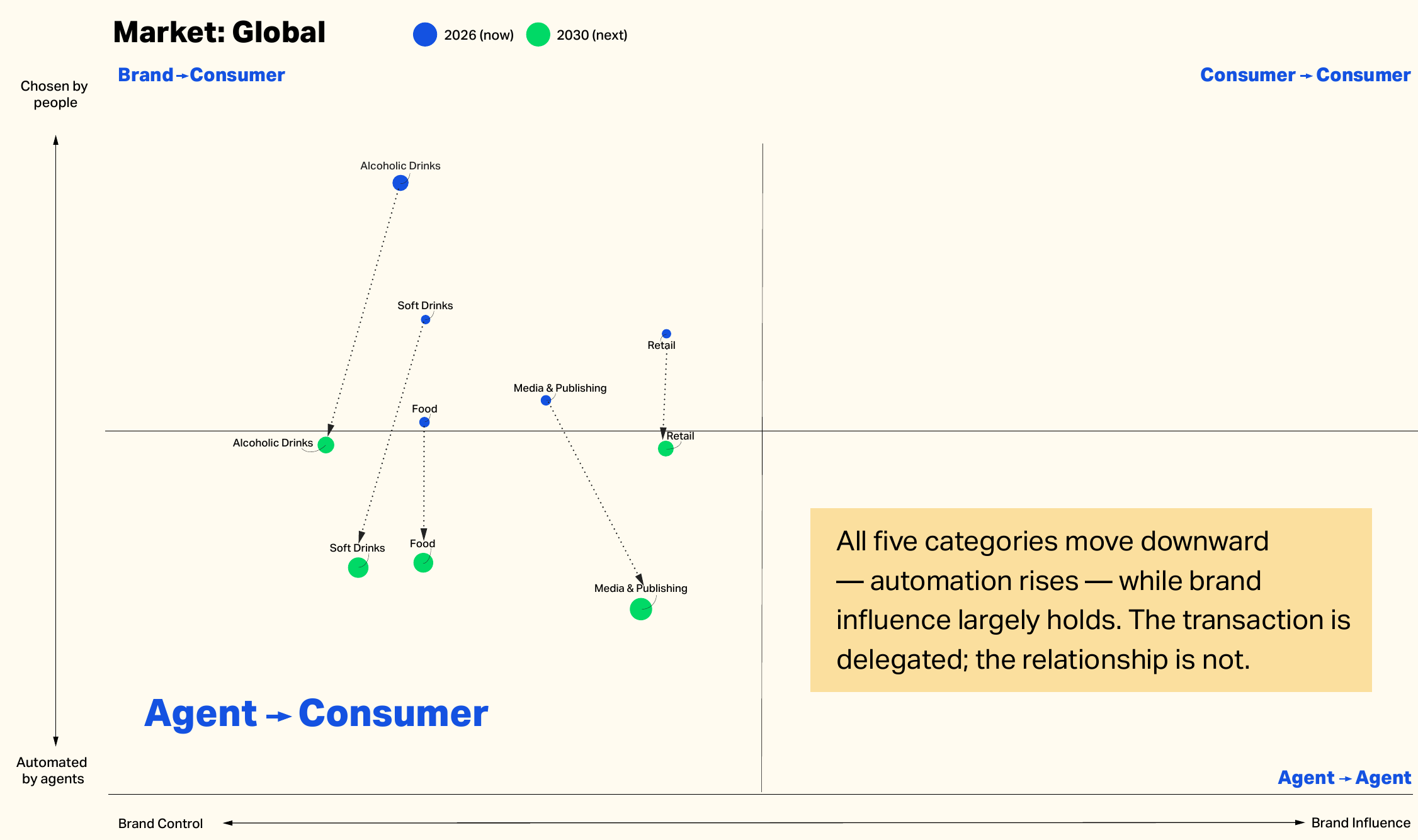
Source: PHD x WARC, "From Abundance to Agents", July 2026
Mental availability becomes query availability
Marketers have spent two decades reciting the gospel of mental availability: be the brand that comes to mind when the buying situation arises. Agents don't change that law - they relocate the exam.
The report's advice for soft drinks is disarmingly concrete: make consumers more likely to tell an agent "order Pepsi" than "buy a case of cola." The brand's new job is to be the noun in the sentence. If the shopper names you, the agent obeys. If the shopper names the category, the agent optimises - price, availability, whatever criteria it was given - and you are suddenly one row in a comparison you can't see.
All that lovely shelf-level persuasion - packaging, displays, impulse placement - matters less when nobody walks past a shelf. What replaces it: occasion thinking ("plan and buy drinks for 20 people coming to a bridal shower" is a real prompt the report expects), functional attributes an agent can parse (calories, ingredients, allergens), and being technically discoverable by AI platforms at all.
The brand that became the interface
The best case study in the report comes from Brazil. For 23 years, retail giant Magalu had a virtual mascot called Lu - the world's most followed virtual influencer, a beloved face who could never actually reply.
So they built her a brain.
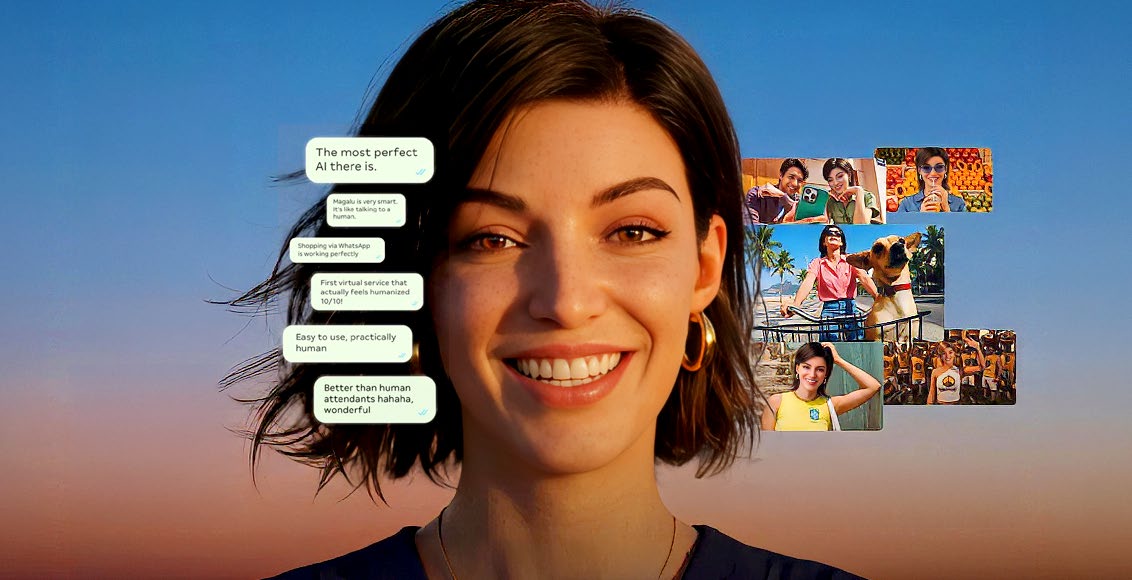
Source: PHD x WARC, "From Abundance to Agents", July 2026
Lu became a full agentic commerce interface on WhatsApp - fluent in Brazilian slang, processing voice, image and text, handling the entire purchase end to end. Results: 4.5 million users in five months, R$28 million in sales, and a conversion rate 3x higher than Magalu's own app. During Carnaval, Lu outsold a physical store six to one.
The lesson is sneaky-profound: a brand asset can become the AI interface itself. Everyone else is racing to get recommended by someone else's agent; Magalu made the agent a character people already loved. Warmth and cultural fluency did what "cold automation" couldn't - and the transaction never left the brand's hands.
You can't fake your way into the shortlist
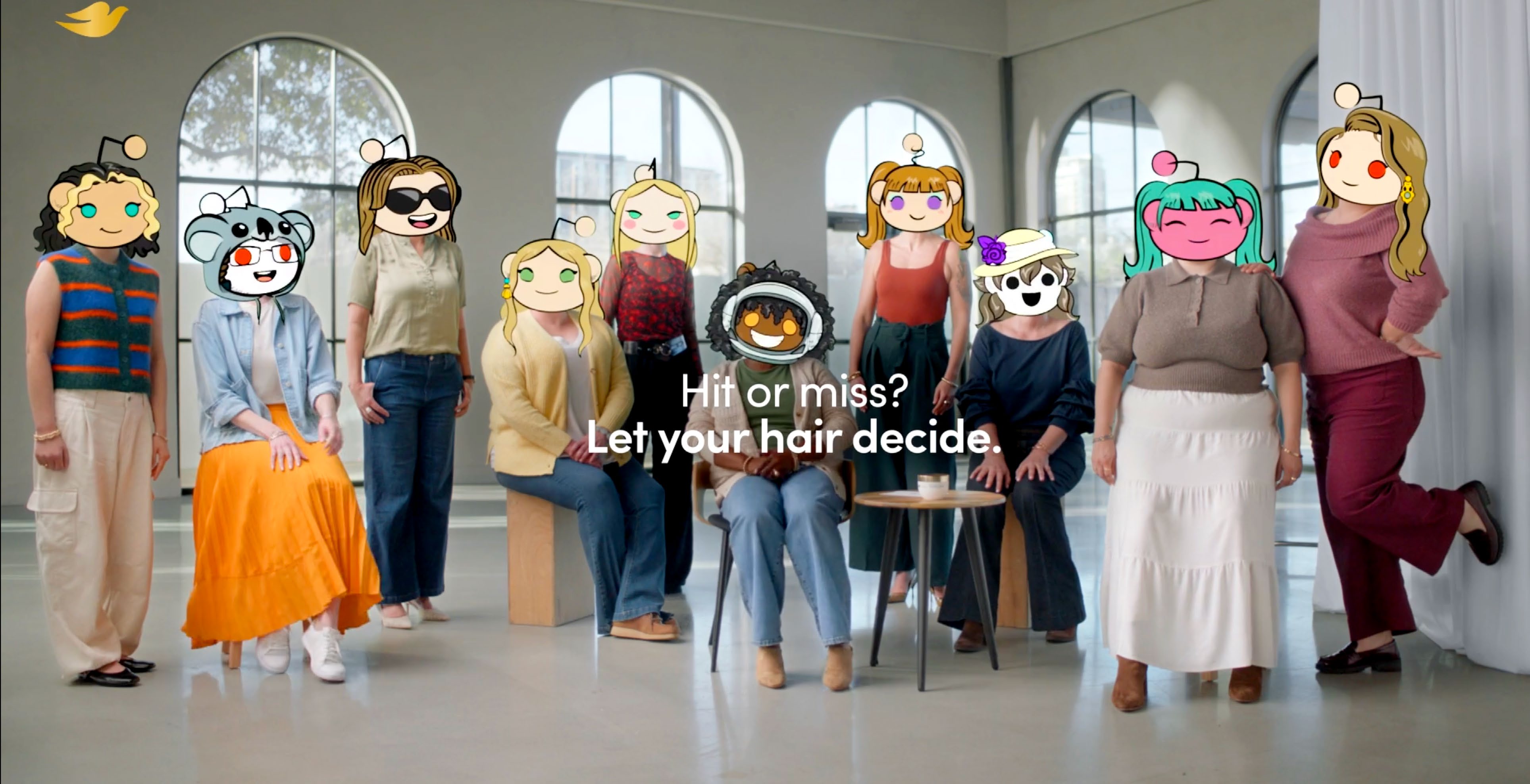
The other case worth stealing is Dove. Instead of polishing brand content, they invited Reddit - the internet's least polite focus group - to review their 10-in-1 hair mask, promising the first 50 reviews would become the campaign, good or bad. Unedited, on billboards.
Source: PHD x WARC, "From Abundance to Agents", July 2026
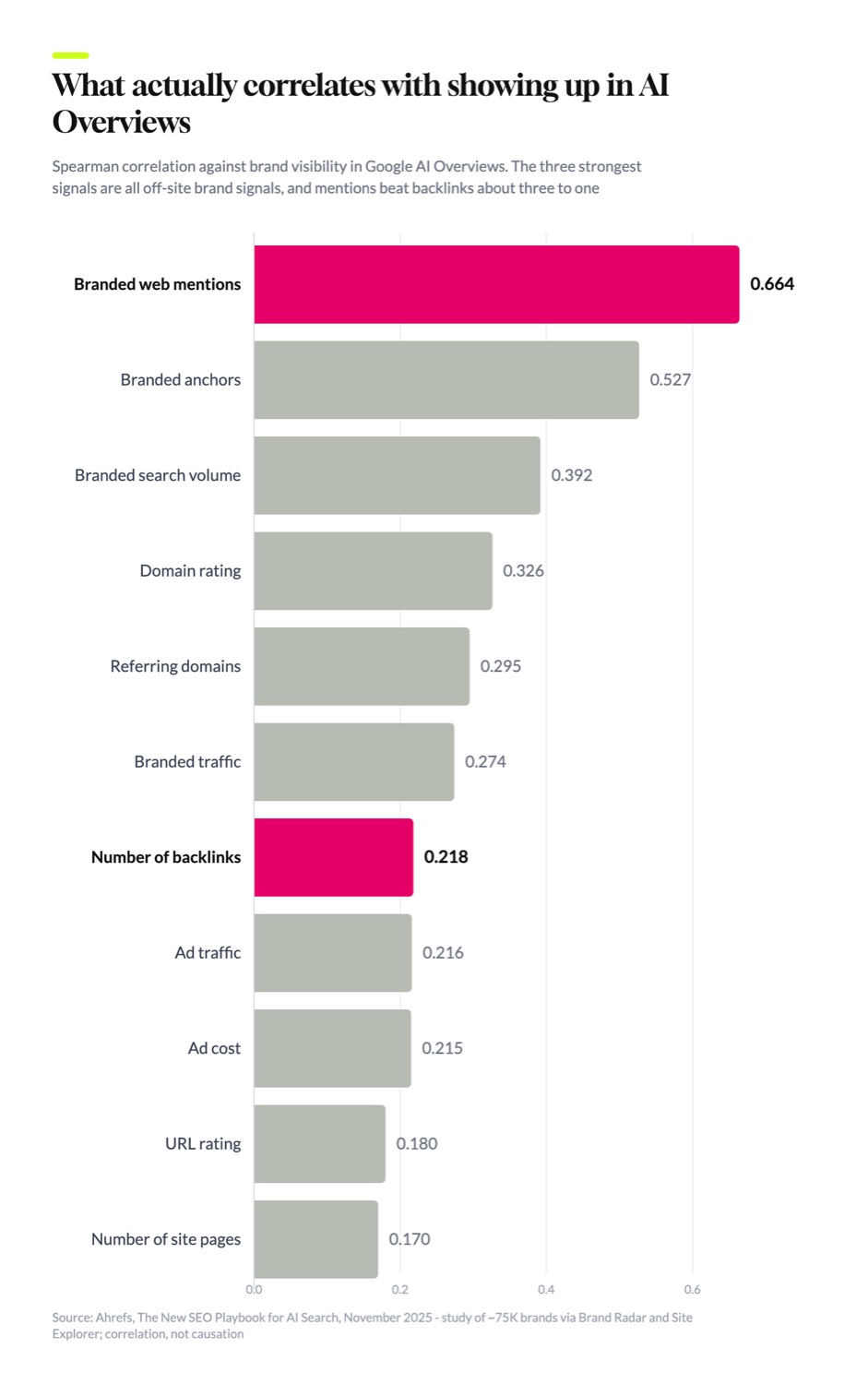
Sales grew 108% year on year. But the number that belongs in this article: Dove hit #1 presence on ChatGPT with 58%, recommended 89% of the time. Authentic community conversation - the messy, unfiltered kind - is exactly what AI systems index and trust. As the report puts it: agents reward genuine advocacy, so brands should earn recommendations, not manufacture them.
The new habit loop
Question | Shelf era | Agent era |
|---|---|---|
Where is the buying decision made? | In the aisle, at eye level | In the prompt, before the query runs |
What wins the routine purchase? | Placement, packaging, promotion | Being named by the user; being parseable by the agent |
What builds the preference? | Ads, shelf presence, habit | Same as ever - ads, culture, memory - plus authentic advocacy the AI can index |
What's the failure mode? | Out of stock | Out of criteria: the agent optimised you away |
Notice what didn't change: preference is still built by brand work aimed at humans. The report is emphatic that consumer-facing advertising and cultural tie-ins are precisely what make someone say "order Pepsi" instead of "buy cola." The agent just makes the payoff winner-take-most - a self-reinforcing research question worth asking about your own category before your competitor does.
Availability used to mean the shelf. Then it meant the search results. Now it means a sentence in someone's prompt - and the brands that win will be the ones a human names without thinking, because thinking is exactly what they delegated.