Vercel's CMO says the biggest thing his team built last year is a product marketing brain in markdown. It is a Brief Zero. Here is how Vercel uses it, how we run Selfstorming on one, and how to copy the setup without an engineering team.
Ask a CMO what the best thing their team built last year was, and you expect a campaign, a launch or a rebrand. Vercel's CMO points at a markdown file.
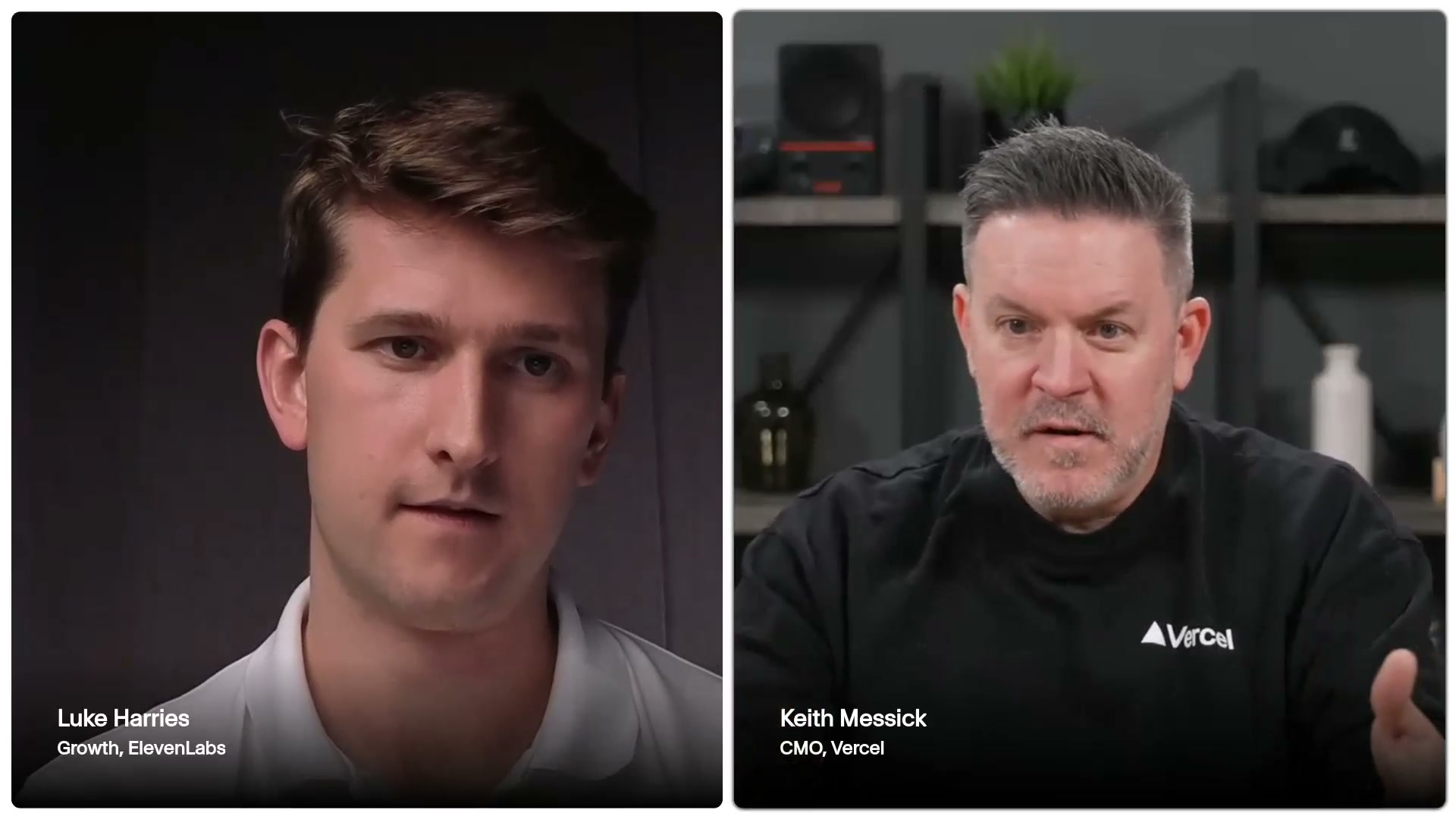
Keith Messick said it in an ElevenLabs webinar with Luke Harries, an hour on how Vercel's marketing team ships like an engineering team. Vercel makes tools for developers, so you would expect its marketing to look a bit like engineering. It does. The surprise is how little of it needs actual engineers.
The product marketing brain
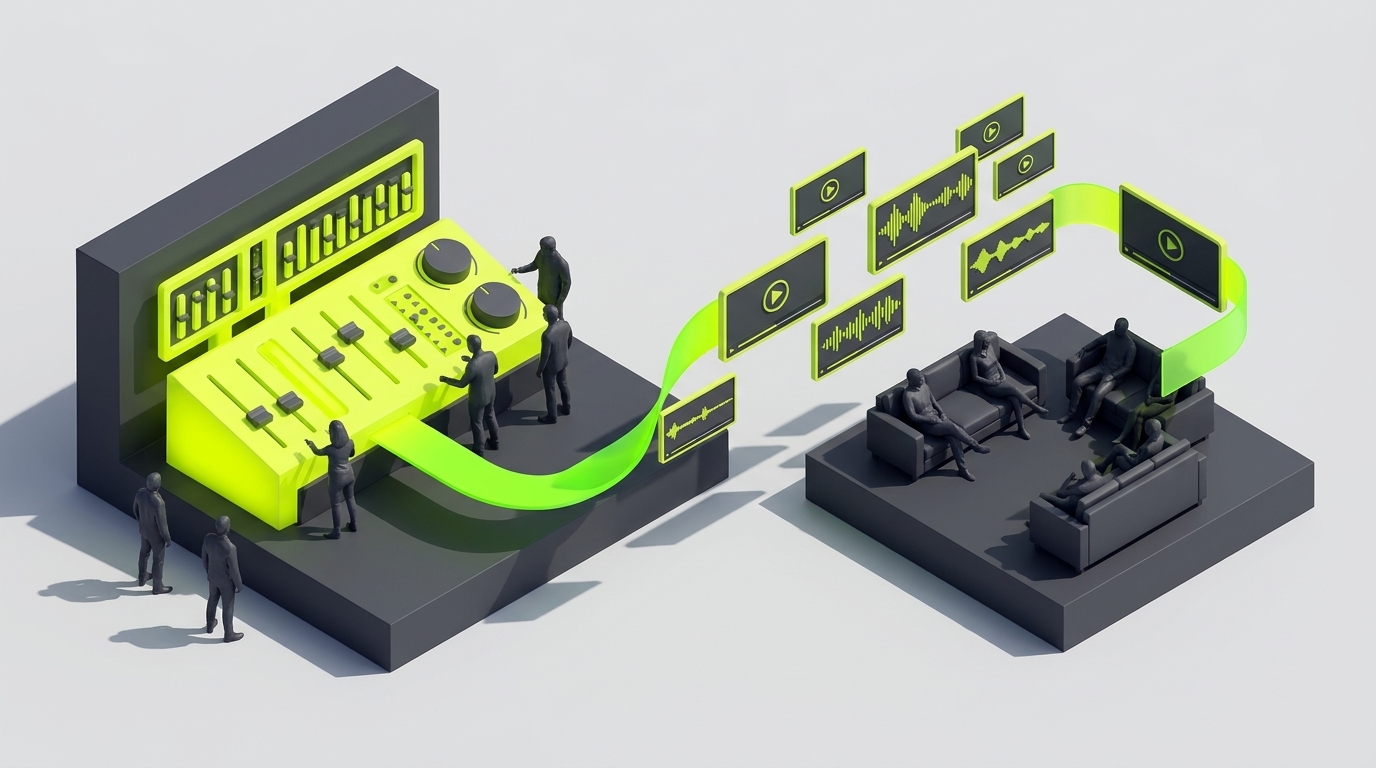
Every marketing team has too few product marketers and too many requests for "a quick side-by-side, I'm in a deal against so-and-so". Vercel's answer was to build product marketing "like an API". Positioning, value props, competitive notes and launch messaging live in one curated knowledge base in Notion. Anyone can call it as a skill from Claude, Codex or Notion.
The old version was a folder of one-pagers refreshed every six months (which, obviously, nobody opened after month two). The new version is always on, because everything Vercel ships feeds it. Every changelog, blog post and deck goes in, plus the objections and qualification signals that agents pick up in Slack. One product marketer curates it, so it doesn't turn into what Messick calls "a slop fest".
The payoff he didn't expect was onboarding. A new hire doesn't read the ten questions someone prepared for them. They ask their own fifty, in their own context, and get answers. Sales goes self-serve. Field marketing, first-meeting decks and competitive all read from the same source.
Next to the brain sits a second file, design.md. It holds Vercel's brand rules in markdown, and every employee installs it into their AI tools (even recruiting candidates get pointed to it). The brand designers built it and signed it off. Low-stakes decks get generated. The first-meeting sales deck still gets a human design pass.
That is a Brief Zero
We have a name for this pattern. Brief Zero is the brief that comes before every other brief: one context pack about a brand that any AI tool loads before it writes, ideates or plans. Story, audience, voice, proof, territory.
Vercel didn't buy one. They built their own out of Notion, a skill file and a librarian. That's worth noticing, because the structure does the work, not the tooling. Without it, every AI output is the average of the internet with your logo on top.
Messick is refreshingly honest about the alternative. His plan a year and a half ago was to let agents create all the content. His verdict now: "It's so sloppy." Vercel didn't fix that with a better model. The fix was better context going in and human editors on the way out.
We run Selfstorming the same way
Selfstorming is a one-person company. There is no product marketing team to send a side-by-side request to, and nobody to ask "how do we describe the MCP connector again?" So the whole marketing operation stands on one Brief Zero folder: story, speaker, audience, voice, proof and territory.
It loads before every blog post, every LinkedIn post and every customer email. This post included. The proof file is the single source of truth for numbers and features, so a draft can't promise a library count we don't have. The voice file describes how we sound in specific situations, so a feature announcement and a reply to an annoyed customer don't come out in the same tone.
It's the same move Vercel made, at a company size where the alternative is chaos. A team of one can't afford a messaging drift between the website, the newsletter and the sales call, because that one person is all three.
How our customers use it
Inside Selfstorming, Brief Zero lives in Brand Studio. You build a brand once: story, speaker, audience, voice, proof and territory, plus colors and visual assets. Then you attach it wherever you work. An Ideation Session draws on 1,900+ campaigns and 100+ creative mechanics, and with a Brief Zero attached the ideas come out in your brand's voice and territory instead of a generic one. The same goes for Hooks, Research and the Strategy Session.
If your team already lives in Claude or ChatGPT, the MCP Connector pulls your Brief Zero into your own AI. That's the nearest thing to Vercel's "call it from Claude, Codex or Notion" setup without building the plumbing yourself. An agency can keep one Brief Zero per client and switch between them, instead of re-pasting the brand deck into every chat.
What the context makes possible
Once the knowledge is in one place, the rest of Vercel's story makes more sense. Messick gave every marketer the same charter. Take the parts of your job you hate most and automate them.
One field marketer took that literally. She built Iris, an AI field-marketing agent, about 80% on her own, and pulled in engineers only for the wiring. Iris handles registration approvals, exec prep, check-in and follow-up. At Vercel's user conference it ran 200+ meetings, up from about 20 the year before. Messick's estimate is roughly 10x the field marketing output with the same number of people.
The same thinking runs through their content. Vercel keeps a separate, AI-assisted content track written for agents, where speed matters most, and a hand-crafted blog for humans. Harries summed it up in one line: use AI when you're writing for AI, and humans when you're writing for humans.
How to copy Vercel without Vercel's engineers
Write the context before you automate anything. Positioning, audience, voice and proof in one place. Agents built on top of a messy shared drive inherit the mess.
Feed it from what you already ship. Vercel uses changelogs. For most teams it's launch notes, case studies and the latest pitch deck.
Give it one curator. Not a committee. Vercel has one product marketer owning it.
Put the brand rules next to it. A design.md for visuals and a voice file for words.
Keep humans on the writing that humans read. Let AI draft, research and triage. Let people decide what sounds like you.
Vercel's most useful marketing asset of the year is a text file that nobody outside the company will ever see. That's the part worth stealing. Build your Brief Zero in Brand Studio, attach it to your next session, and see which ideas start sounding like you.