Your AI already knows your project. Ask it for a campaign idea and it still gives you the average of the internet. The Selfstorming MCP connector plugs 1,800+ campaigns, 850+ sourced findings and our ideation engine into Claude, ChatGPT and your own skills and agents.
If you are like most people reading this, you have project folder in Claude or ChatGPT project, with a brief, custom instructions, a couple of skills, maybe an agent that drafts the weekly status report so nobody has to.
Your AI knows your project better than your account director does. Then you ask it for a campaign idea, and it hands you the same idea it just handed a dentist in Ohio.
As of this week, it doesn't have to. Selfstorming is now an MCP connector, and I am more excited about this than about anything we have shipped since the first Ideation Session.

The problem was never the model
Wharton researchers ran a neat experiment on brainstorming with ChatGPT. In one task, people had to invent a toy made from a brick and a fan. With ChatGPT, 94% of the ideas shared overlapping concepts, and nine people independently named their toy the "Build-a-Breeze Castle" (Meincke, Nave & Terwiesch, Nature Human Behaviour, 2025). Without it, every idea was different.
The model isn't dumb. It is average, by design. It learned from everything, so without better material it returns the middle of everything. The Extraordinary Cost of Dull report puts it well: AI makes average free, which raises the value of everything that is not average.
That is the whole reason Selfstorming exists. We spent the last year building libraries that are the opposite of everything: 1,800+ award-winning campaigns broken down to the mechanic and the strategy, 850+ sourced findings from WARC, Kantar, System1 and friends, 500 creative mechanics, 52 frameworks and 61 marketing laws. Picked by marketing people, not scraped by a content farm.
Until now you had to leave your project to use them. Open a tab, re-explain the brief, copy the result back. HBR counted what that costs: people toggle between apps about 1,200 times a day and lose almost four hours a week getting their bearings back (Harvard Business Review, 2022). We were one of those 1,200 toggles. Now we are not.
What it looks like inside your project
You stay where your work already is and ask in plain words. Your AI decides when to call Selfstorming, pulls what fits and mixes it with everything it already knows about your project. Four things people will do in the first ten minutes:
1. "Give me ideas for this."
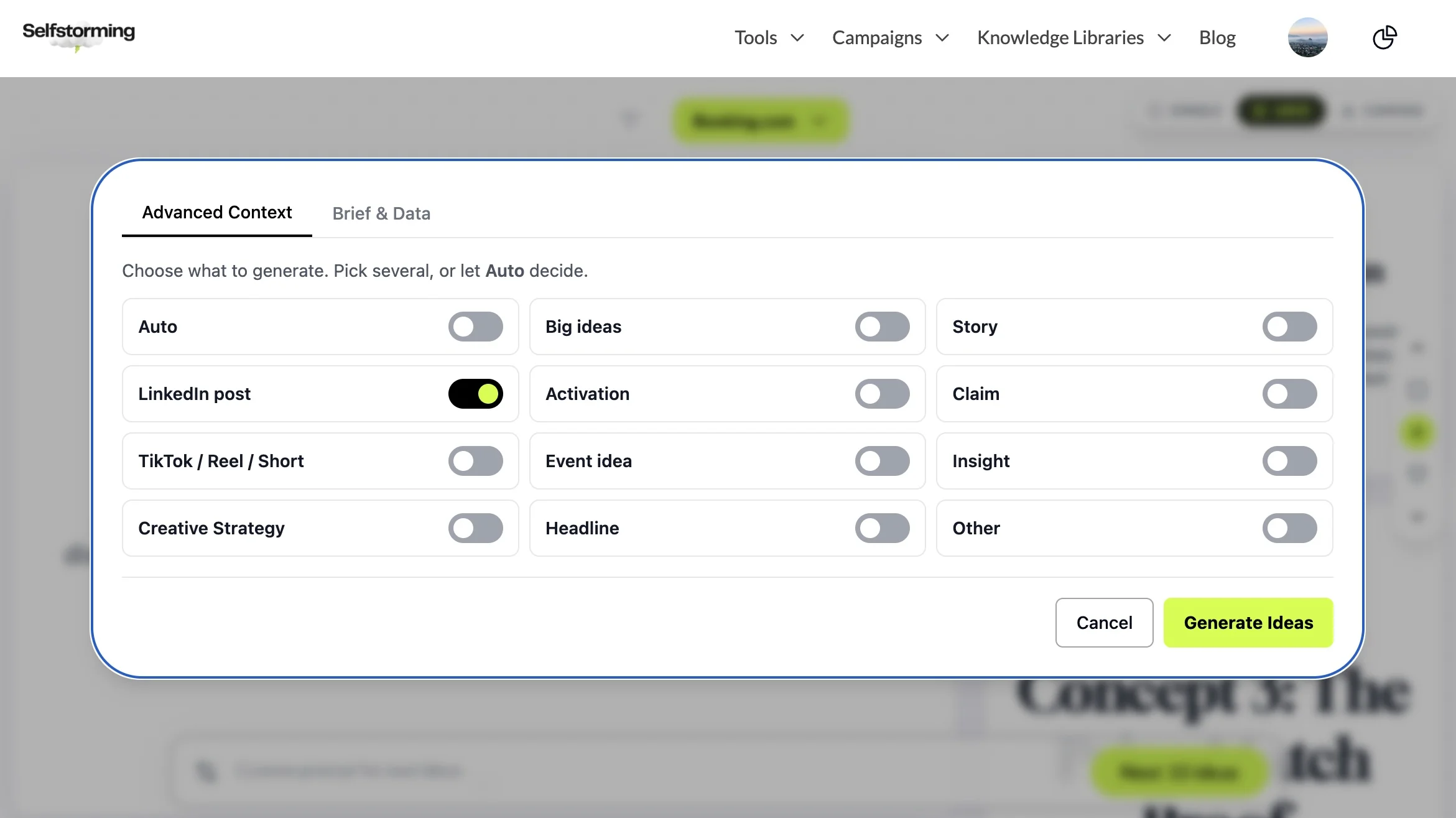
Your AI reads the brief in the folder and runs a full Ideation Session on it: big ideas, LinkedIn posts, reels, claims, activations. The session lands on your Selfstorming board, so you can favourite, refine and export it to PowerPoint later. For the record, 61% of people heart an idea within the first ten we generate, and the median first favourite is idea number eight.
2. "Which famous campaigns fit this brief, and why?"
This is the one I use most. I asked about an oat milk launch aimed at people who think plant milk tastes like cardboard. It came back with The OREO Cows (Cannes Lions 2026 Titanium, real cows that happen to look like cookies), a beer called "Responsibly" that turned every competitor's legal disclaimer into free advertising, and Heetch advertising Uber to tourists to keep its drivers free for locals. Plus two playlists, Weakness as Superpower and Parody as a Weapon. Every answer links to the full breakdown: brief, mechanic, strategy, video analysis. None of it invented.
3. "Rewrite this with a storytelling technique that fits."
Paste the flat product paragraph your client loves. Your AI picks from 49 storytelling techniques and tells you why. For the cardboard problem it reached for The Vulnerability Move: admit the weakness before the audience does, then earn the second sip. Same facts, a story instead of a spec sheet.
4. "Do we have any evidence this will work?"
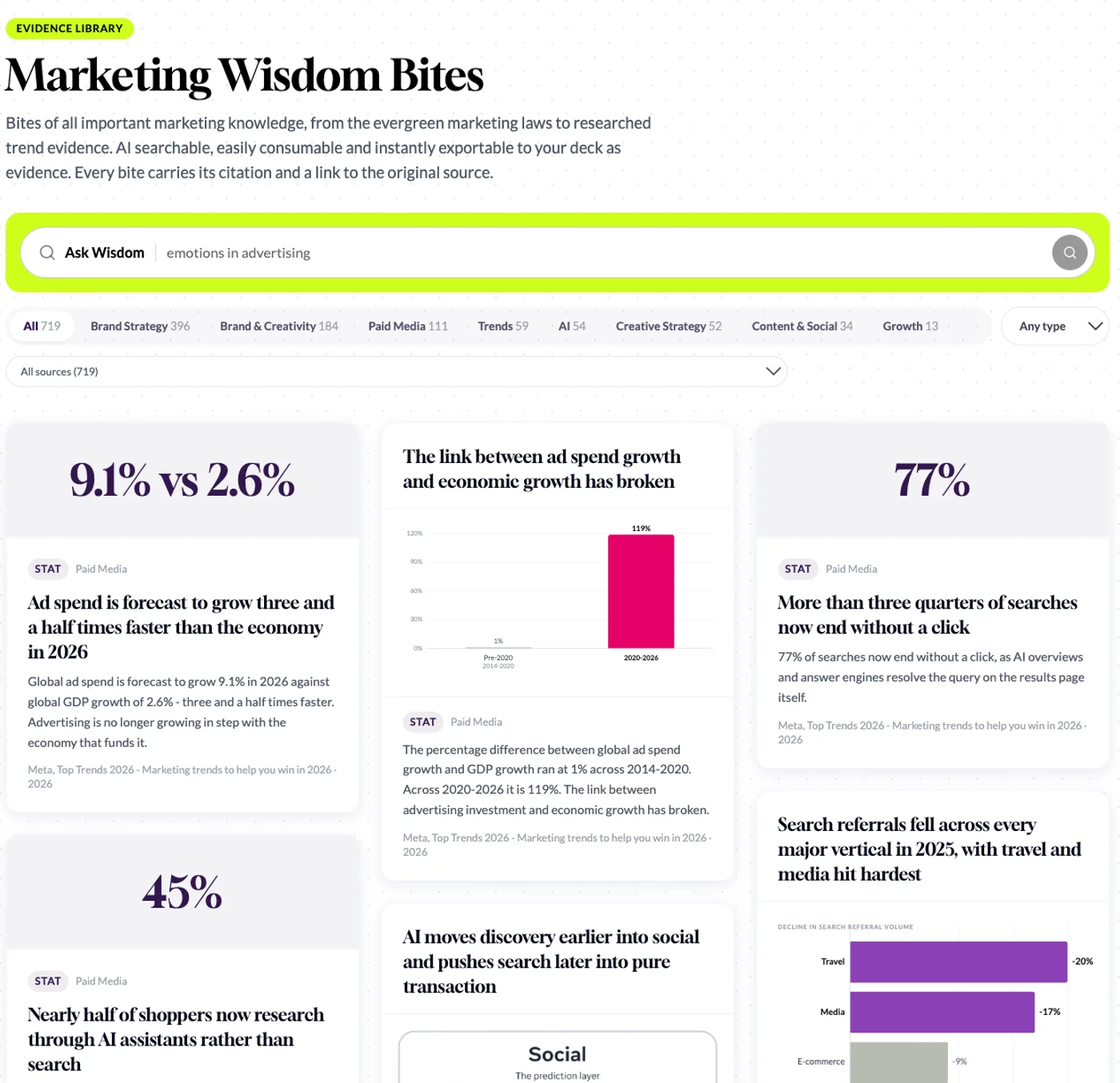
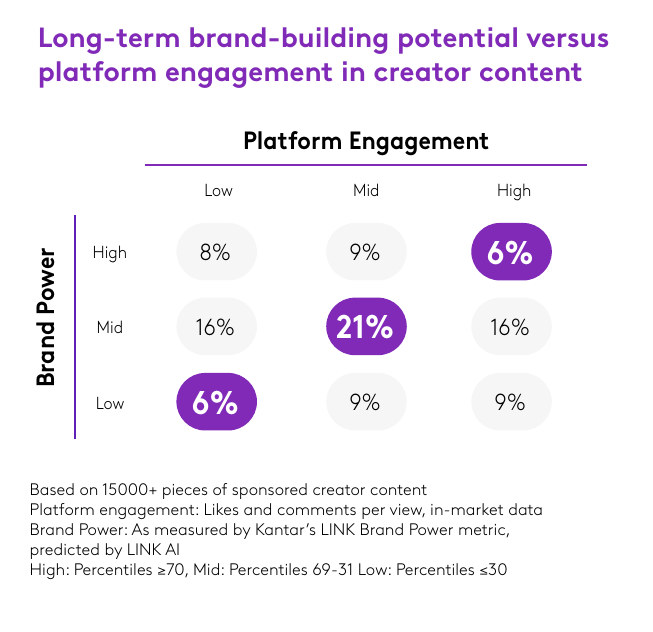
The question every CFO asks right after "how much". Your AI searches Marketing Wisdom and comes back with the finding, the number and the source. Ask whether a funny launch is a risk and it answers with Binet & Field on emotional advertising and a System1 x TikTok study in which the most entertaining ads delivered twice the brand awareness lift of the least entertaining. It cites the researchers, not us. They did the work.

Your skills and agents just got a creative department
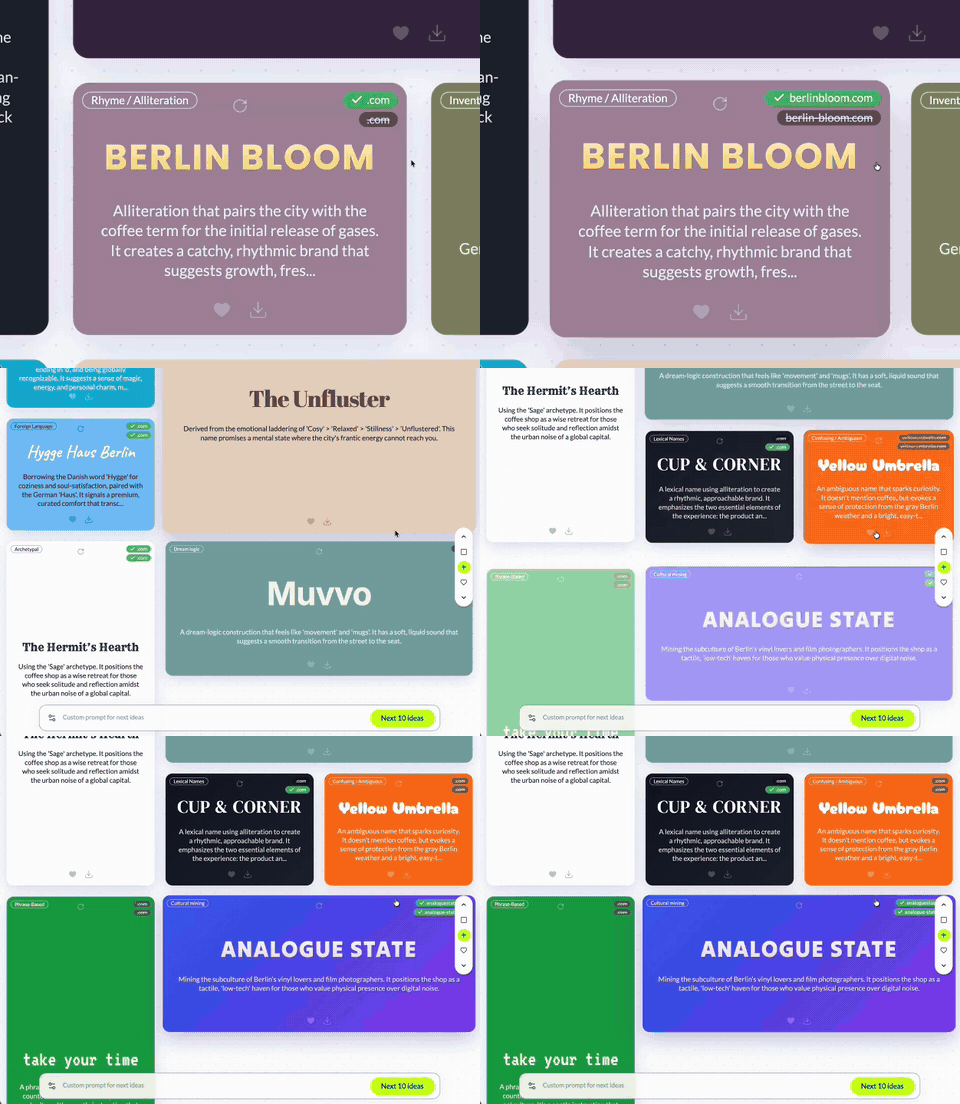
This is where it gets interesting for people who have gone further than chat. If you have built skills (reusable workflows, not prompts) or agents that run your recurring work, Selfstorming is now one more tool they can call. Your pitch-prep skill can ground every recommendation in a real campaign and a sourced stat. Your content agent can pull hooks from 360 tested methods instead of writing "Unlock the power of..." for the fourth time this week. Your naming workflow gets the 66 techniques great brands actually used.
A strategist from Italy once told us: "I wanted to build an AI Assistant for this. Now I don't have to." With the connector, that sentence finally covers the assistants you already built.
Two minutes, one URL
It works in Claude, ChatGPT, Codex, Claude Code, Cursor and any client that speaks MCP. The setup for each one is on the MCP page: paste https://www.selfstorming.com/api/mcp, log in with your Selfstorming account, done.
It is included in Pro, no add-on. There are daily fair-use limits, including 500 generated ideas, names and hooks a day. A human won't get near them. An agent stuck in a loop will, which is the point.
Back to the castle
Nine people, one AI, one "Build-a-Breeze Castle". That is what happens when everyone brainstorms with the same average. Your project is already yours. Now the inspiration inside it can be too. Connect it, open the folder you have been avoiding, and ask which campaign already cracked your problem.