John Lewis built a festive monopoly by weaponising nostalgia, soft toys, and indie covers. Here is the strategy behind their iconic Christmas ads.
For over a decade, the official start of the British holiday season was not marked by snow or Advent calendars. It was marked by a retail brand spending millions of pounds to make grown adults sob into their tea. John Lewis built a massive commercial empire on a simple premise: selling high-end kitchen appliances by way of emotional destruction.
While most retailers used November to shout about discounts on air fryers, John Lewis understood the Law Of Emotion Over Reason. They didn't hawk products. They built memory structures around the heavy, lump-in-your-throat realization that giving a gift feels better than getting one.
Here is a breakdown of the five ads that defined the golden era of festive strategy - and why they worked.
1. The Boy and the Piano (2018)
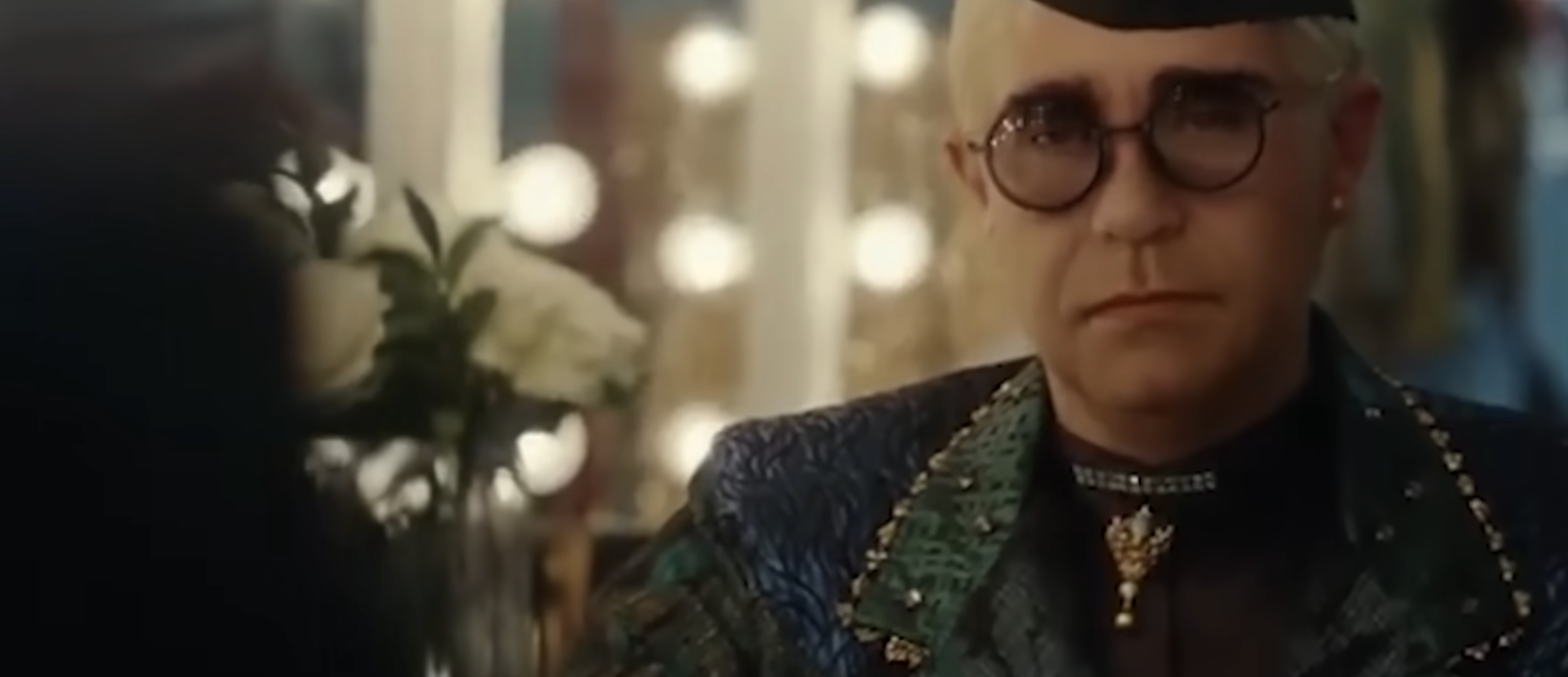
Rewinding through the life of Elton John to the moment he received a secondhand upright piano from his grandmother, The Boy and the Piano is a masterclass in retrospective narrative. Instead of showcasing a product catalog, the spot framed a single purchase as the catalyst for an entire life's work.
It executed the Build a Brand Myth technique flawlessly. It shifted the brand's role from a place that sells stuff to the custodian of life-changing moments.
2. Monty the Penguin (2014)
In 2014, John Lewis gave us a little boy who noticed his pet penguin was suffering from acute romantic loneliness. Monty the Penguin weaponized pure childhood imagination to sell stuffed toys, turning a plush animal into a national hero.
By tapping into Category Entry Points related to empathy and gift-giving anxiety, the ad made shopping at John Lewis feel like an act of genuine care rather than an errand.
3. The Bear and the Hare (2013)
Combining traditional hand-drawn animation with 3D sets, The Bear and the Hare solved a massive narrative problem: how do you get a hibernating bear to experience Christmas? The answer was a hare buying him an alarm clock.
It used Fairytale execution to bypass rational consumer filters. The campaign proved that John Lewis's Christmas ad reputation was built on masterclass storytelling that earned massive cultural resonance.
4. The Journey (2012)
A snowman braves blizzards, mountain peaks, and busy highways just to buy a pair of gloves for his snowwoman partner. Set to a cover of "The Power of Love," The Journey dramatized the physical effort of gift-buying.
It tapped directly into the Dramatize the Invisible Benefit technique, making the mundane act of selecting a scarf feel like an epic quest.
5. The Longing / She's Always a Woman (2010)
Before the CGI animals took over, John Lewis set its template with "She's Always a Woman." The ad tracked a woman's life from childhood to old age through the furniture and items surrounding her.
It established the long-term positioning of the department store as a permanent backdrop to British life - long before the 2026 season showed us how the ad season traded forced tears for physical craft.
Deconstructing the John Lewis Playbook
Campaign | Core Strategy | Creative Technique | Primary Emotion |
|---|---|---|---|
The Boy and the Piano | Gift as a life-shaping catalyst | Nostalgia & Aspiration | |
Monty the Penguin | Companionship & thoughtful giving | Warmth & Empathy | |
The Bear and the Hare | Selfless festive inclusion | Bittersweet Joy | |
The Journey | Dramatizing the effort of love | Determination | |
She's Always a Woman | Lifetime brand presence | Quiet Reflection |
"The consumer doesn't give a s**t about your store. They care about how your store makes them feel about the people they love."
John Lewis succeeded for a decade because they stopped running ads about retail discounts and started running campaigns about human vulnerability. They built Mental Availability by owning the emotional narrative of December. When you own the feeling, the transaction takes care of itself.