A brutally honest look at the math, the madness, and the actual creative strategy behind the greatest Super Bowl ads of all time.
Every February, a strange collective madness grips the marketing world. Brand directors who spend the other eleven months of the year obsessing over micro-conversions and arguing about the font size on a banner suddenly decide to spend $7 million of their shareholder's money on a single thirty-second slot.
To put that in perspective, $7 million is enough to buy a small island, hire a private orchestra to follow your rival around for a year, or purchase roughly 1.4 million boxes of actual Dunkin' donuts. Instead, brands hand it over to a television network in exchange for a brief moment of attention. And then, terrifyingly, most of them waste it on a generic celebrity handshake and a focus-grouped slogan that is forgotten before the stadium cleanup crew even picks up the first crushed beer can.
But a few brands do something different. They understand that the Super Bowl is not a place to fit in. It is a license to cause a controlled creative riot. Here is how the legends of the Best Super Bowl Commercials of All Time playlist actually earned their media bills.
The Economics of the Big Game
Before we dissect the genius, let us look at the terrifying upward trajectory of the entry fee. This is not just inflation; it is the premium of a captive audience in a world where everyone else is busy skipping pre-rolls.
Year | Cost of a 30-Second Spot | Estimated Viewers | The Cost of Boredom (Per Second) |
|---|---|---|---|
1967 | $42,000 | 39 Million | $1,400 |
2000 | $2.2 Million | 88 Million | $73,333 |
2010 | $3.0 Million | 106 Million | $100,000 |
2026 | $7.0 Million+ | 120 Million+ | $233,333 |
If you are spending $233,333 per second, being safe is the most expensive mistake you can make. This is where the Law Of Being Ignored becomes painfully literal. If your ad is neutral, you did not just fail; you set $7 million on fire to buy silence.
---
1. Reebok - Terry Tate Office Linebacker (2003)
In 2003, Reebok decided to solve corporate productivity by hiring a 250-pound professional linebacker to tackle office workers who forgot to refill the coffee pot. It was chaotic, violent, and utterly brilliant.
"You can't bring that weak-ass stuff up in here!" - Terry Tate
Instead of relying on digital tricks, the production crew committed to the bit, using hidden safety mats and precise camera choreography to capture the visceral, bone-rattling impact of real hits. It used the creative strategy of Attack a Boring Truth - because who has not quietly wanted to tackle the colleague who left the copier jammed?
See the full deconstruction in the Reebok: Terry Tate Office Linebacker campaign file.
2. Snickers - You're Not You When You're Hungry (2010)
Most B2C brands struggle to explain their product's functional benefit without sounding like a dry pharmaceutical leaflet. Snickers solved this by putting an eighty-eight-year-old Betty White in a freezing mud puddle, getting tackled during a recreational football game.
This spot did not just launch a global campaign; it rewrote the brand's entire positioning by creating a new mental shortcut. It proved the Law Of Fluency - it is incredibly easy for our lazy, autopilot brains to grasp that hunger turns us into a grumpy, fragile caricature of ourselves.
Read the behind-the-scenes details on how they filmed it in the Snickers: You're Not You When You're Hungry campaign analysis.
3. Amazon - Alexa Loses Her Voice (2018)
What do you do when your flagship voice assistant goes silent? Most tech giants would issue a solemn, blue-tinted corporate apology. Amazon, however, decided to replace Alexa with Gordon Ramsay screaming at a man for asking how to make a grilled cheese sandwich.
By using the creative strategy of Turn Weakness Into Strength, they turned a potential system failure into a hilarious celebrity showcase, proving that only the original AI could actually handle your mundane daily requests.
Deconstruct the star-studded casting in the Amazon: Alexa Loses Her Voice breakdown.
4. PopCorners - Breaking Good (2023)
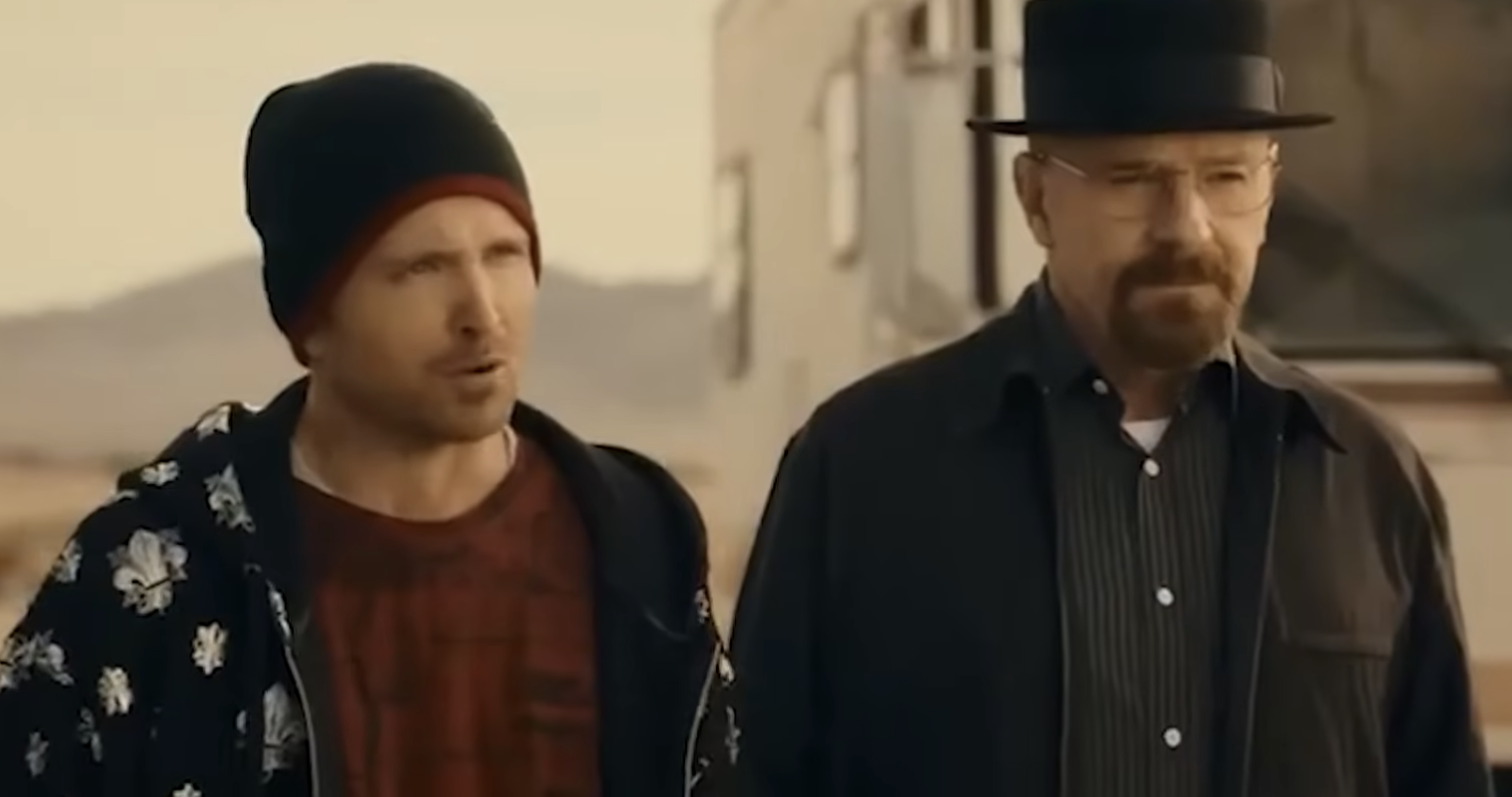
Instead of trying to invent a new cultural trend, PopCorners simply borrowed one of the most iconic dramas in television history. They reunited the original cast of a legendary show to frame their air-popped snack as a highly addictive substance.
It is a textbook execution of the Borrow Equity technique. Why spend millions trying to make your brand feel cool when you can just stand next to Walter White while he says, "We don't eat those"?
Explore the cinematic references in the PopCorners: Breaking Good campaign file.
---
The Strategic Takeaway
If you are planning your next campaign - whether you have a $7 million Super Bowl budget or a $700 local LinkedIn budget - the lesson remains the same. Stop trying to please the imaginary committee of average people. Use a structured tool like the Creative Session to find your contrarian angle, or dig into the Get Who To By framework to define exactly who you are trying to win over.
Because the only thing worse than spending $7 million to be ignored is spending $7,000 to achieve the exact same result.