B-Classic: Dvořák Symphony No. 9
B-Classic wanted to revitalize classical music, making it appealing to a younger audience. The challenge was its outdated perception compared to pop. They needed a fresh approach - a modern music video for Dvořák's Symphony No. 9 - to give classical music the same contemporary recognition and excitement as pop and rock, ultimately attracting new listeners.
Creative Idea
B-Classic produced a modern music video for a classical symphony to give it the visual appeal of pop music.
B-Classic created The Classical Comeback to give classical music the same visual appeal as pop music by producing a modern music video that combines a classical symphony with contemporary choreography and directing, aiming to make classical music feel fresh and exciting to a younger audience.
Three Minutes of Twerking for the New World
From Stromae to South Korea
To bridge the gap between 1893 and 2014, director Raf Reyntjens - fresh off the success of Stromae’s "Papaoutai" - looked toward the modern "New World" of digital influence: South Korea. The production team traveled to Seoul to film the world-famous YouTube dance duo Waveya. By casting sisters Ari and Miu, the agency strategically tapped into the burgeoning K-pop phenomenon to ensure the video felt native to the internet's visual grammar. The choice of Dvořák’s Symphony No. 9 was a deliberate historical parallel, as the composer originally wrote the piece to capture the spirit of a then-emerging America.
High Art Meets Low Brow
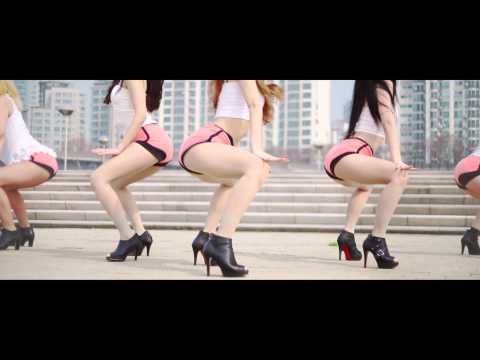 The production was a masterclass in recontextualization, intentionally clashing "trashy" pop-video editing and high-contrast lighting with a prestigious recording by Herbert von Karajan and the Vienna Philharmonic. This juxtaposition was designed to be jarring, utilizing the "twerking" craze at its cultural peak to force engagement. As Reyntjens noted, the goal was to use the "visual language of today" to package the "emotion of the past."
Viral Reach on a Budget
Operating on a shoestring festival budget, the campaign relied entirely on earned media rather than a paid ad buy. The gamble paid off, generating over 1 million views in just six days and eventually surpassing 3 million views. Beyond the metrics, it sparked a global debate on the "democratization" of classical music, earning coverage from The Huffington Post, BBC, and Time Magazine. The video concluded with a simple, provocative hook: "You just listened to three minutes of classical music," proving that even "elitist" art could thrive when stripped of its traditional packaging.
Creative Strategy Deconstructed
Company
B-Classic possessed a deep catalog of high-quality classical recordings and a mission to democratize the genre. They had the cultural authority to curate timeless masterpieces while maintaining the creative bravery to disrupt traditional presentation formats.
Category
The classical music category is traditionally defined by formal, conservative, and elitist visual cues like concert halls and period costumes. These conventions create a massive aesthetic barrier that makes the music feel inaccessible or boring to non-experts.
Customer
Younger audiences appreciate emotional depth in music but are conditioned to consume content through high-energy, hyper-stylized visual lenses. They felt classical music was 'not for them' because the packaging didn't match their modern digital consumption habits.
Culture
The explosion of viral K-pop choreography and the 'mashup' culture of the 2010s made audiences crave unexpected genre collisions. There was a growing cultural appetite for 'low-brow' visual entertainment meeting 'high-brow' artistic content.
Company
B-Classic possessed a deep catalog of high-quality classical recordings and a mission to democratize the genre. They had the cultural authority to curate timeless masterpieces while maintaining the creative bravery to disrupt traditional presentation formats.
Category
The classical music category is traditionally defined by formal, conservative, and elitist visual cues like concert halls and period costumes. These conventions create a massive aesthetic barrier that makes the music feel inaccessible or boring to non-experts.
Strategy:
Rebrand classical music as high-energy pop content to dismantle elitist perceptions and engage a digitally native audience.
Customer
Younger audiences appreciate emotional depth in music but are conditioned to consume content through high-energy, hyper-stylized visual lenses. They felt classical music was 'not for them' because the packaging didn't match their modern digital consumption habits.
Culture
The explosion of viral K-pop choreography and the 'mashup' culture of the 2010s made audiences crave unexpected genre collisions. There was a growing cultural appetite for 'low-brow' visual entertainment meeting 'high-brow' artistic content.
Strategy:
Rebrand classical music as high-energy pop content to dismantle elitist perceptions and engage a digitally native audience.
Strategy Technique
Shift the Context
The campaign shifted classical music from an outdated perception to a contemporary pop culture context. This recontextualization made it appealing and exciting for a younger audience.
Explore Technique
Creative Technique
Borrow a Familiar Format
The campaign adopted the familiar format of a modern pop music video. This unexpected delivery made classical music feel fresh and exciting to a younger audience.
Explore Technique
Craft Breakdown
This campaign ingeniously blends the energetic, popular appeal of K-Pop dance with a powerful classical soundtrack, creating a surprising and highly effective way to redefine classical music as modern and exciting.
The rapid-fire editing is perfectly synchronized with the dramatic classical music, creating a relentlessly energetic pace that sustains viewer engagement and accentuates the dancers' movements.
The unexpected choice of a driving orchestral piece as the soundtrack is central to the ad's innovative concept, powerfully demonstrating the dynamism of classical music and challenging preconceptions.
The selection of diverse and visually rich locations—from urban skylines and traditional palaces to an aquarium—along with complementary costume changes, effectively enhances the overall aesthetic and narrative flow.
Dynamic camera work, varied shot compositions, and sharp focus capture the intricate choreography and the vibrant expressions of the dancers, contributing significantly to the video's high production value and visual appeal.
“The campaign's strength lies in the masterful synergy between its high-energy, contemporary K-Pop visuals, the powerful classical music soundtrack, and the clever, unexpected reveal at the end, which collectively redefines the genre's appeal.”