Grunenthal: Change Gout
Grunenthal High Wycombe challenged Langland to destigmatize gout, which was widely dismissed as a self - inflicted lifestyle condition. The goal was to educate both healthcare professionals and patients about the chronic, systemic nature of the disease. They needed a digital - first approach to increase engagement and shift the conversation from dietary choices to the biological reality of uric acid crystal buildup.
Creative Idea
Transformed invisible internal pain into a tangible 3D crystalline landscape for users to explore.
To dismantle the stigma that gout is a self - inflicted lifestyle choice, the campaign used an interactive 3D WebGL experience to visualize the hidden, painful crystalline structures within the body, grounding medical education in a raw, human patient narrative.
Visualizing the Invisible Agony of Uric Acid
Six Months of Crystalline Craft
To move the needle on a condition often dismissed as a "rich man's disease," the production team spent six months developing a high - fidelity digital experience. The technical backbone relied on React and a custom Blender script designed specifically to render the complex, jagged geometry of the WebGL crystalline body. This digital avatar was actually inspired by a physical sculpture commissioned by Langland to represent the "invisible" pain of gout. To ensure the campaign could scale globally, the team at Jam3 built a custom dynamic CMS, allowing Grünenthal to push localized medical copy to various international markets on demand.
Humanizing the Biological Reality
While the tech was cutting - edge, the emotional core was provided by Graham Preston, a 49 - year - old gout sufferer. His testimony in the 7 - minute documentary, directed by Dean Moore, served to dismantle the stigma of overindulgence. As Preston noted, the public assumption that the disease is purely a result of poor self - care is "so far from the truth it’s unbelievable." This narrative approach, combined with 31 interactive hotspots, successfully kept users on - site far longer than typical pharma benchmarks.

Setting a New Pharma Benchmark
The project is credited with shifting the industry's approach to "Digital Craft." Juror Fanny Krivoy noted that the campaign succeeded by "deconstructing a medical condition" through an aesthetic usually reserved for luxury or consumer tech brands. By focusing on the biological reality of uric acid crystals rather than dietary shaming, the initiative transformed how both patients and healthcare professionals perceive the chronic nature of the disease.
Creative Strategy Deconstructed
Company
Grunenthal possessed deep expertise in pain management and a commitment to improving long - term outcomes for gout patients.
Category
Pharma ads often rely on dry medical diagrams or generic lifestyle imagery that fails to capture the true physical agony.
Customer
Patients felt shamed by the 'rich man's disease' stereotype and misunderstood by a public that saw gout as a joke.
Culture
Increasing digital literacy allowed for sophisticated, interactive storytelling that could transform complex medical data into a visceral, immersive experience.
Company
Grunenthal possessed deep expertise in pain management and a commitment to improving long - term outcomes for gout patients.
Category
Pharma ads often rely on dry medical diagrams or generic lifestyle imagery that fails to capture the true physical agony.
Strategy:
Visualize the internal biological reality to dismantle external social stigmas and validate the patient's lived experience.
Customer
Patients felt shamed by the 'rich man's disease' stereotype and misunderstood by a public that saw gout as a joke.
Culture
Increasing digital literacy allowed for sophisticated, interactive storytelling that could transform complex medical data into a visceral, immersive experience.
Strategy:
Visualize the internal biological reality to dismantle external social stigmas and validate the patient's lived experience.
Strategy Technique
Make the Invisible Visible
By visualizing the internal biological process of gout, the strategy shifts focus from external lifestyle stereotypes to the internal, chronic reality of the condition.
Explore Technique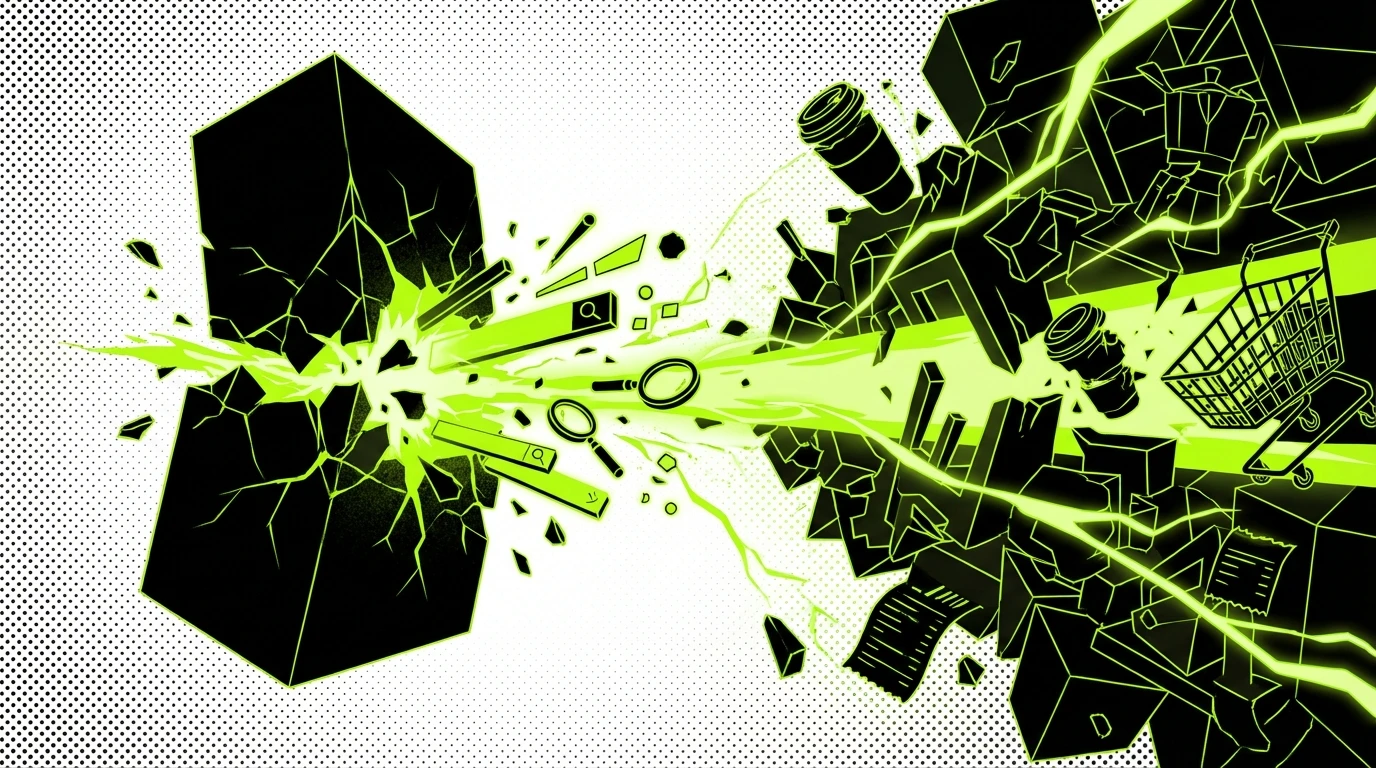
Creative Technique
Expose the Hidden
The campaign uses 3D WebGL technology to reveal the microscopic uric acid crystals causing internal damage, making the unseen physical reality of the disease undeniable to the viewer.
Explore Technique
Craft Breakdown
This campaign excels by transforming complex medical data into a visceral, interactive 3D experience that mirrors the patient's internal pain.
The interactive 3D crystalline model effectively visualizes the 'unseen' internal damage of gout in a way that is both beautiful and medically informative.
The opening live-action sequences use high-quality, atmospheric visuals to ground the medical information in a real-world, human context.
“The transition from the cold, physical reality of the patient's environment to the abstract digital visualization creates a powerful bridge between empathy and science.”