2026Mr. SubmarineTravel, Leisure, Retail & RestaurantsVideo ad
Mr. Submarine: 50 Commercials For 50 Years
Mr. Submarine needed a high-impact 50th-anniversary campaign to drive sales and chatter in the competitive Chicagoland market. The client sought to move beyond generic nostalgia, tasking Quality Meats with creating a campaign that resonated with locals while operating on a shoestring budget. The goal was to increase brand affinity and store traffic by effectively engaging a regional audience.
Creative Idea
The brand turned its infamous, corny legacy jingle into the punchline of 50 commercials.
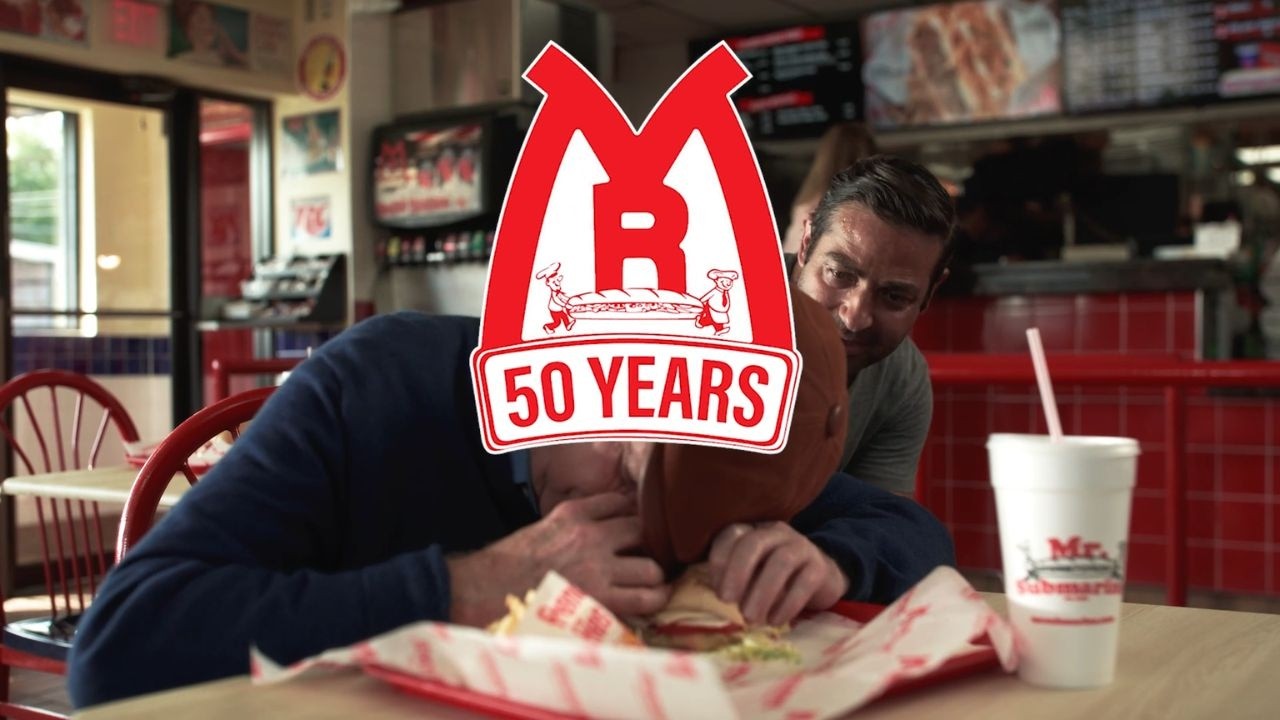
To celebrate its 50th anniversary, Mr. Submarine produced 50 intentionally absurd commercials that transformed their infamous, corny 1980s jingle into a recurring punchline, turning the brand's low-budget reputation into a self-aware comedy asset that captured local attention.
Fifty Commercials on a One Commercial Budget
The Impossible Production Schedule
To execute this ambitious concept, the agency and production team faced a logistical gauntlet. Over 40 of the 50 spots were filmed in just 2 days at a single operating Mr. Submarine location in Downers Grove, Illinois. The production relied on Second City improv actors and was directed by Brad Morris, a Second City alum. To maintain the low-fi aesthetic, the team supplemented the live-action footage with intentionally awkward, low-budget AI-generated commercials.
A Triple Threat of Branding
The campaign became an industry talking point due to the serendipitous alignment of the entities involved. The client, Mr. Submarine, partnered with the agency Quality Meats, which launched its internal production arm specifically for this project under the name Sandwiches. This created a unique, food-centric triad that resonated across creative trade publications.
Local Legends and Cultural Reach
The campaign featured a heavy roster of Chicago icons, including former White Sox manager Ozzie Guillén, Bears legend Tom Waddle, Cubs player Jason Kipnis, and media personalities like Richard Roeper, Mark Giangreco, and Eddie Volkman. The spots also paid homage to local advertising staples, such as EagleMan and personal injury attorney Howard Ankin.
Measurable Business Impact
The strategy of embracing the brand's "so-bad-it's-good" reputation yielded significant results before any paid media launched. The campaign secured a front-page feature in the Chicago Tribune business section and coverage on WTTW, ABC, and WGN. These efforts drove a 100% increase in social media followers and a measurable lift in store traffic, proving that self-deprecating humor and local hyper-relevance could outperform traditional, polished advertising.
4C Framework deconstruction
Company
A legacy of infamous, corny local TV commercials and a sticky 1980s jingle that every Chicagoan already remembered.
Category
Competitors in the sandwich category spend heavily on polished, generic advertising that yells about meat and bread.
Customer
Locals wanted authentic, funny content that acknowledged the brand's history instead of a dusty, sentimental anniversary retrospective.
Culture
The rise of low-fi, self-aware humor and an appreciation for 'so-bad-it's-good' content allowed the brand to cut through noise.
Company
A legacy of infamous, corny local TV commercials and a sticky 1980s jingle that every Chicagoan already remembered.
Category
Competitors in the sandwich category spend heavily on polished, generic advertising that yells about meat and bread.
Strategy:
Leverage historical brand baggage as a self-aware comedic asset to differentiate from polished category norms.
Customer
Locals wanted authentic, funny content that acknowledged the brand's history instead of a dusty, sentimental anniversary retrospective.
Culture
The rise of low-fi, self-aware humor and an appreciation for 'so-bad-it's-good' content allowed the brand to cut through noise.
Strategy:
Leverage historical brand baggage as a self-aware comedic asset to differentiate from polished category norms.
Strategy Technique
Turn Weakness Into Strength
The brand embraced its reputation for corny, low-budget commercials rather than hiding it. By weaponizing this perceived weakness, they turned a historical liability into a unique, ownable creative advantage.
Explore Technique
Creative Technique
Make a Parody
The campaign parodies the famously bad, low-budget local advertising style of the Chicago market. By leaning into these tropes, the brand creates a humorous, self-aware identity that resonates with local audiences.
Explore Technique
Craft Breakdown
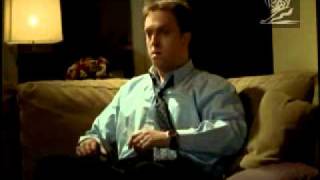
The spot leverages brilliant comedic copywriting and a custom, literal-narrator sung jingle to turn a standard restaurant anniversary into a hilarious dark comedy piece.
The script lands a perfectly timed, dark-comedy punchline combined with literal jingle lyrics that subvert classic 50-year anniversary tropes.
The custom sung jingle hilariously narrates the exact blunt events on screen in an upbeat, cheerful tone.
“The hilarious interplay between the absurd deadpan narrative and the cheerful upbeat musical jingle creates the spot's unique comedic impact.”