Best WWF Campaigns of All Time
WWF is the only brand on earth that can make a grown adult feel genuine, soul-crushing guilt over a pixelated panda or a printer setting. They have spent decades mastering the art of the "stop and stare" - turning complex biodiversity crises into visual gut punches that actually work. It is high-concept strategy disguised as heartbreak, usually delivered with a wit that keeps the gloom at bay. Browse the work below.
7 campaigns

WWF: Deforested Field
WWF dramatically illustrated the rapid rate of Brazilian deforestation by visually degrading a live football pitch during a broadcast, turning a statistic into a real-time, unsettling spectacle that forced viewers to confront the environmental crisis directly.
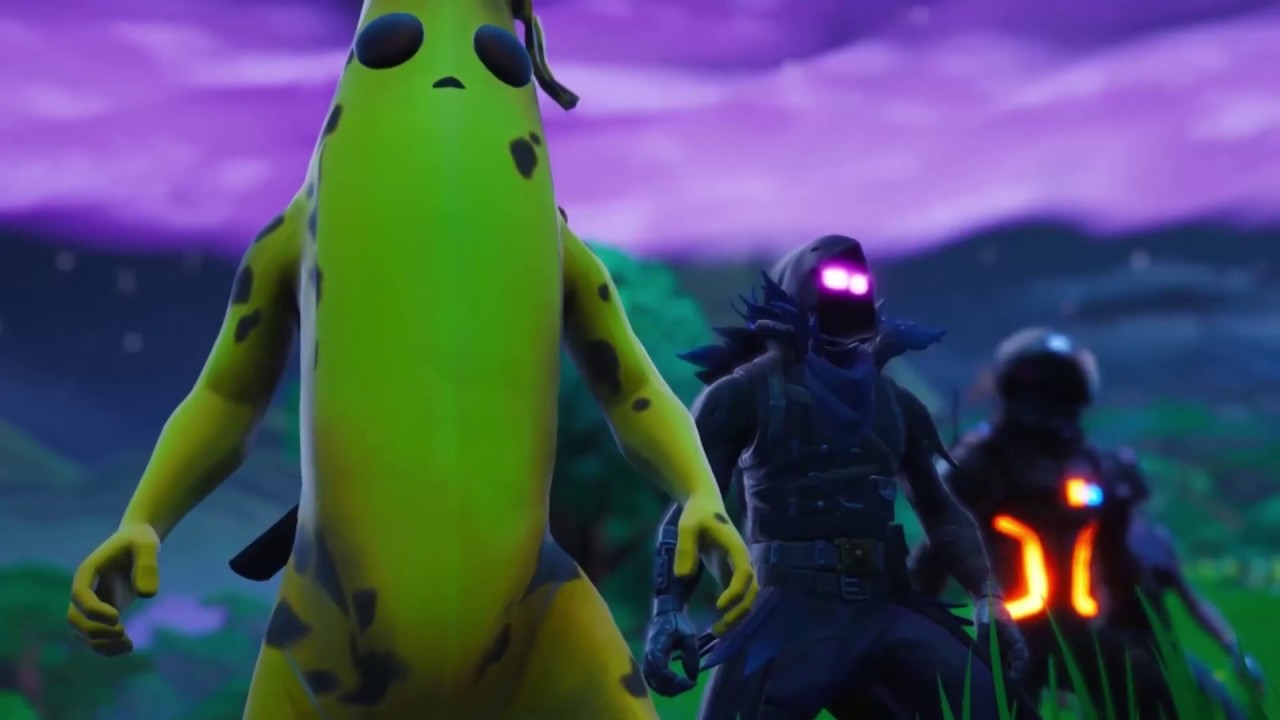
WWF: #NoBuildChallenge
WWF France challenged Fortnite players to survive without harvesting natural resources, turning the game's core mechanic into a metaphor for real-world depletion. By making survival nearly impossible, it proved that without resources, we cannot survive.
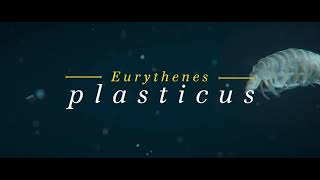
WWF: Eurythenes plasticus
WWF named a newly discovered deep-sea species "Eurythenes plasticus" after the plastic found in its gut, turning a scientific discovery into a shocking, self-propagating message that dramatically exposed the pervasive ocean plastic problem and ignited a global conversation.
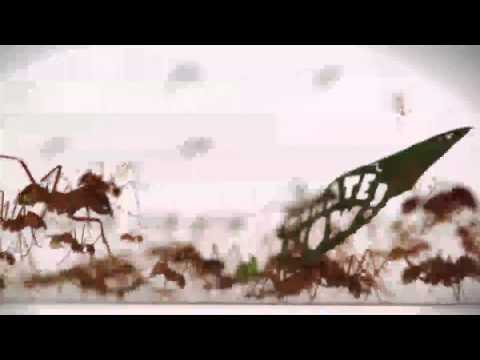
WWF: Ant Rally
WWF leveraged leaf-cutter ants' natural foraging routine, turning them into "ant-activists" carrying laser-cut protest messages for rainforest protection. This unexpected, organic demonstration for their 50th birthday went viral, transforming advertising into "antvertising" by making the message itself a living, marching spectacle.
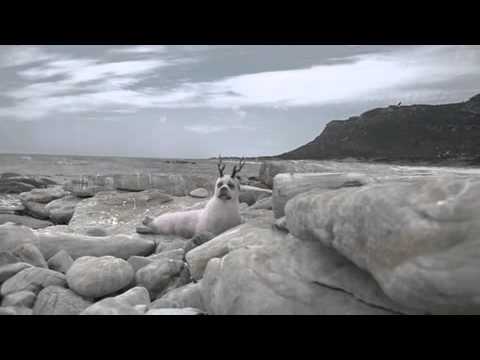
WWF Wonder World Fur: Bamboseal
This campaign brilliantly used a faux-documentary style to introduce the fictional, fur-losing Bamboo Seal, creating a darkly humorous and ironic origin story for a luxury fur coat collection, effectively leveraging satire to generate buzz and differentiate the brand in the fashion market.
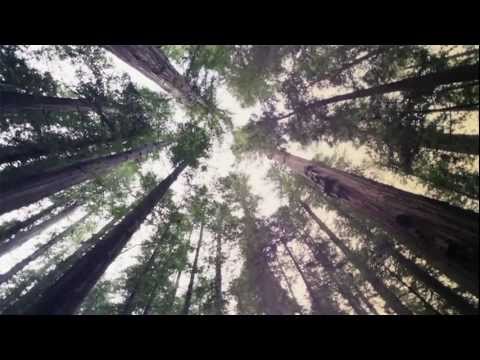
WWF: Save as .wwf
The World Wildlife Fund (WWF) created a unique file format called ".wwf" that cannot be printed, designed to prevent unnecessary paper waste and protect rainforests. By transforming a simple digital file extension into an innovative environmental tool, WWF turned document saving into a global mission to reduce deforestation.
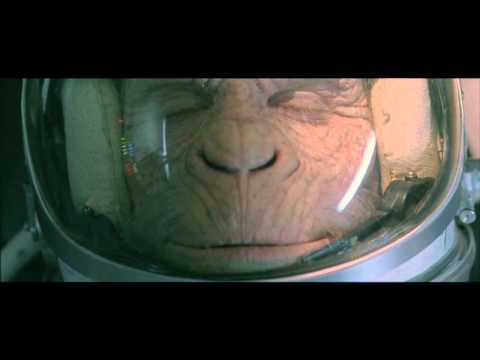
WWF: Space Monkey
WWF: Space Monkey poignantly re-imagined the 1961 space launch of chimpanzee 'Ham' by showing his return 65 years later to a desolate, post-apocalyptic Earth, using his longing for 'home' to dramatically underscore humanity's destruction of our shared planet.