Channel 4: Considering What?
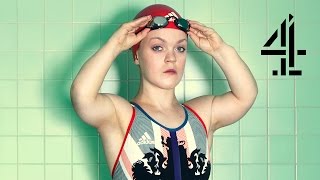
Channel 4 wanted to evolve its Superhumans brand for the Paris 2024 Paralympics. Despite record viewership, research showed audiences still viewed athletes through a lens of pity. 4Creative was tasked with shifting the narrative from inspiration to elite sporting excellence, targeting a broad UK audience to drive viewership and cement Channel 4's status as a champion of disability representation.
Creative Idea
Personified physical forces as indifferent antagonists to prove sport ignores disability and only rewards excellence.
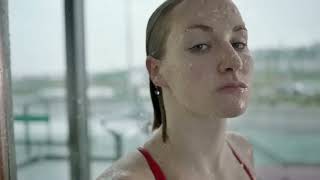
Channel 4 personified physical forces like gravity and friction as indifferent antagonists to show that Paralympic athletes don't battle disability, but the same brutal laws of physics as any elite sportsperson, dismantling patronizing superhuman tropes through raw, visceral competition.
Dismantling the Superhuman Myth for Elite Excellence
The Brutality of Physics
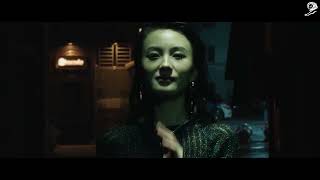
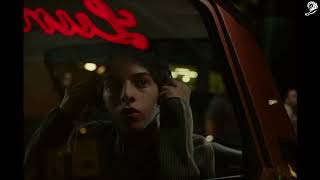
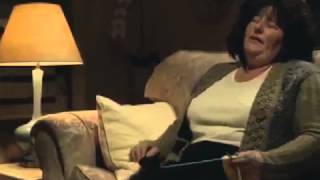
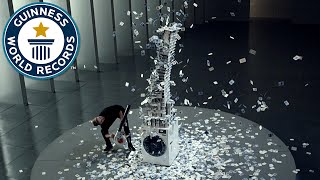
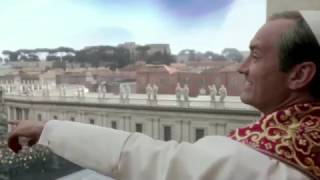
To move beyond the patronizing "Superhuman" era, 4Creative and director Steve Rogers personified the laws of physics as gritty, indifferent antagonists. Gravity was portrayed as a disheveled man with a pint, while Friction took the form of a boy - racer in a yellow sports car. This shift was fueled by research showing 59% of viewers watched the Games to see athletes "overcome disability" - a sentiment athletes found reductive. By focusing on the "brutality" of the sport rather than the backstory of the impairment, the campaign forced a confrontation with the phrase "Considering what?" - a direct challenge to the low expectations of the viewing public.
Record Breaking Gen - Z Engagement
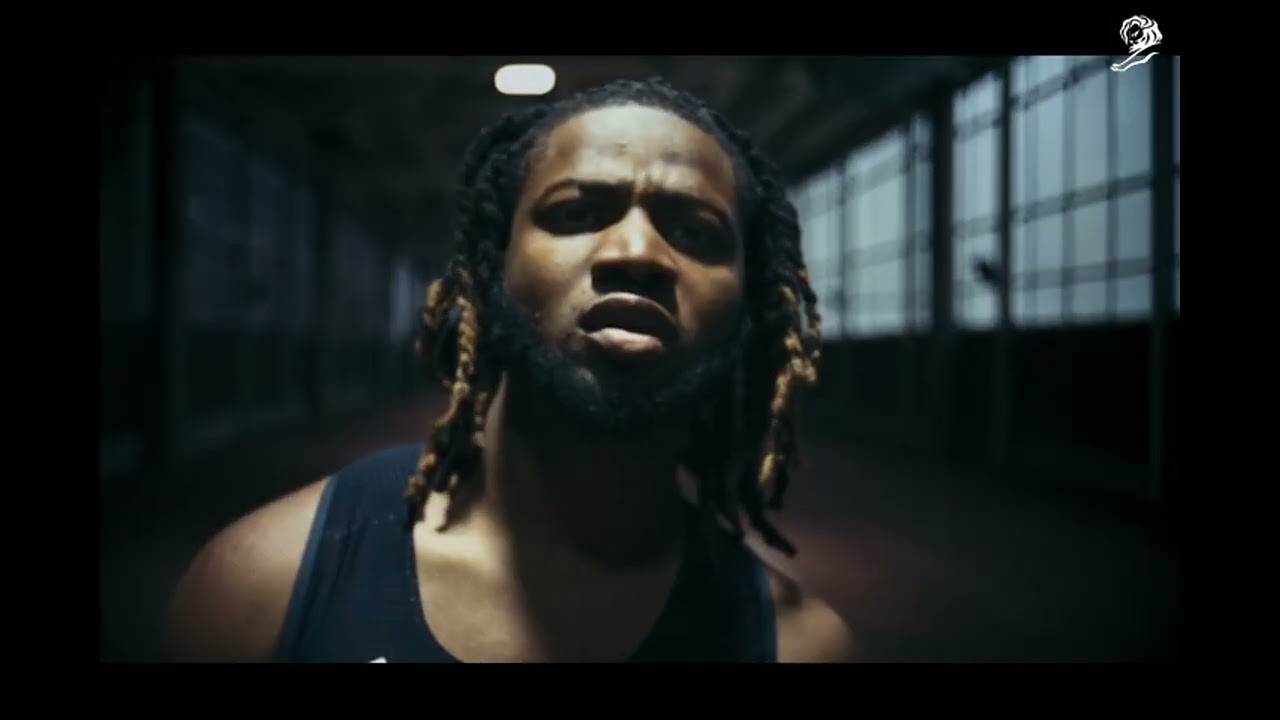 The strategy delivered the highest weekly viewing share for any Paralympics since London 2012, reaching 19.9 million people. Most notably, it achieved a 34% growth in share among 16 - 34 year olds compared to Tokyo 2020, marking the broadcaster's most successful effort to engage younger audiences with disability sport. Total engagement surged to 7.3 billion viewer minutes, a massive leap from the 4.9 billion recorded for the previous Games.
Inclusive Production Standards
The commitment to representation extended behind the lens, with 23% of the production crew identifying as disabled - significantly higher than the UK industry average. This ethos carried through to the broadcast, where 91% of the on - air presenting team were disabled. The campaign also utilized a nationwide OOH "correction" series, where patronizing phrases like "He's so brave" were physically struck through on billboards by the action of elite stars like Aaron Phipps and Dame Sarah Storey.
Creative Strategy Deconstructed
Company
Channel 4's long-standing reputation as the home of the Paralympics and its history of provocative, boundary-pushing creative storytelling.
Category
Sports marketing often leans into inspirational overcoming disability narratives that can feel patronizing or distance athletes from elite status.
Customer
Viewers who admire Paralympic athletes but subconsciously view their achievements through a lens of pity or lowered expectations.
Culture
A growing demand for authentic representation and a shift away from inspiration porn toward recognizing pure athletic excellence.
Company
Channel 4's long-standing reputation as the home of the Paralympics and its history of provocative, boundary-pushing creative storytelling.
Category
Sports marketing often leans into inspirational overcoming disability narratives that can feel patronizing or distance athletes from elite status.
Strategy:
Dismantle patronizing admiration by reframing elite athletic struggle as a universal battle against indifferent external forces.
Customer
Viewers who admire Paralympic athletes but subconsciously view their achievements through a lens of pity or lowered expectations.
Culture
A growing demand for authentic representation and a shift away from inspiration porn toward recognizing pure athletic excellence.
Strategy:
Dismantle patronizing admiration by reframing elite athletic struggle as a universal battle against indifferent external forces.
Strategy Technique
Attack a Cultural Blind Spot
It exposes the subtle, well-meaning ableism in how society views disabled athletes. This forces viewers to realize that the only considering factor is the same brutal physical reality faced by all elite athletes.
Explore Technique
Creative Technique
Fight stereotypes
By personifying physical forces as indifferent bullies and highlighting patronizing commentary, the campaign directly confronts the superhuman stereotype. It reframes Paralympic excellence as a pure battle against physics rather than a struggle with disability.
Explore Technique
Craft Breakdown
The campaign's power lies in its refusal to use the typical 'inspiration' tropes, instead using aggressive sound design and surreal visuals to level the playing field between athletes and nature.
The rhythmic integration of household crashes with the athletes' movements creates a visceral, percussive heartbeat for the film.
The use of inverted camera angles and high-speed sports photography creates a seamless blend between the surreal domestic scenes and the reality of the games.
The script successfully personifies physical forces to dismantle the 'pity' narrative often associated with disability.
The precise, rhythmic cutting between domestic chaos and athletic intensity drives the ad's aggressive energy.
“The synergy between the percussive sound design and the rhythmic editing transforms the physical 'impacts' into a celebration of resilience.”