2024Mattel CreationsConsumer GoodsCase video
Mattel Creations: Hot Wheels x MSCHF Not Wheels
Mattel sought to engage late Millennial and Gen Z audiences through its Mattel Creations platform. The goal was to expand brand awareness and reignite nostalgia by partnering with a disruptive creative entity. The client needed a strategy that moved beyond traditional toy marketing to create a viral conversation piece, proving that the brand could maintain its premium craftsmanship while embracing self-deprecating humor and cultural relevance.
Creative Idea
The brand sold a broken, non-rolling toy car to celebrate the beauty of imperfection.
Mattel Creations and MSCHF launched 'Not Wheels,' a die-cast car celebrating the imperfections of beat-up 90s clunkers. By subverting the brand's legacy of perfection, they turned a broken, non-rolling toy into a viral, high-design collector's item for adult fans.
The Broken Toy That Sold Out Fast
Engineering The Perfect Junk Pile
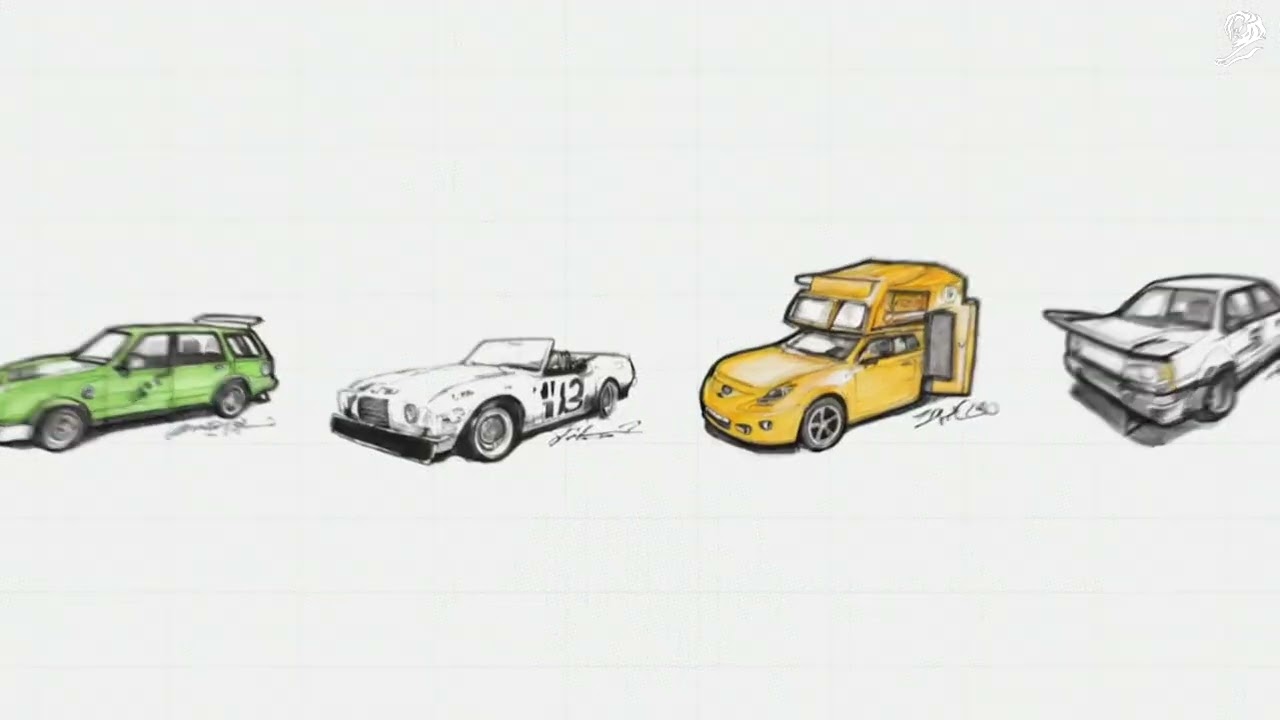
The product design, led by Alton Takeyasu and Ethan Wood, required a delicate balance between high-end craftsmanship and intentional decay. The 1:64 scale sedan features a missing wheel replaced by a spinning rusted brake rotor, a mismatched yellow spare tire, and a windshield etched with a "WASH ME!!!" message. The interior details are equally granular, including a seatbelt hanging out of the door and parking tickets tucked under the wipers. The packaging, labeled under the fictional HW Normal Cars series, included a tongue-in-cheek warning that the car was "Not suitable for individuals with country club memberships."
A Masterclass In Brand Hijacking
The campaign launch was designed to mimic a chaotic, unpolished experience. It began with a microsite built to resemble a Craigslist classified ad, followed by a social media takeover where MSCHF posted amateurish, low-fidelity content on official Hot Wheels channels. This strategy left fans questioning if the brand had been hacked. The visual media campaign featured the Japanese hip-hop group NAMEDARUMA and utilized gritty, real-world settings like dumpster-lined parking lots rather than traditional studio backdrops.
Viral Metrics And Market Response
The campaign generated 22 million PR impressions and 2.7 million social impressions, resulting in over 232,000 engagements. The limited-edition units, priced at $30, sold out in under 5 minutes. The scarcity and irony of the product drove immediate secondary market activity, with units appearing on platforms like eBay and StockX for more than 4x the original retail value. By subverting the expectations of adult collectors, the collaboration successfully bridged the gap between legacy die-cast enthusiasts and Gen Z tastemakers.
4C Framework deconstruction
Company
Mattel leveraged its 80-year legacy and premium design DNA to validate a subversive, high-concept collaboration.
Category
The die-cast toy category typically emphasizes pristine, high-performance, and functional models for collectors.
Customer
Adult collectors and tastemakers craved authentic, relatable nostalgia that broke away from sterile, mass-market perfection.
Culture
The rise of viral, disruptive art collectives made audiences eager for products that challenge conventional consumer behaviors.
Company
Mattel leveraged its 80-year legacy and premium design DNA to validate a subversive, high-concept collaboration.
Category
The die-cast toy category typically emphasizes pristine, high-performance, and functional models for collectors.
Strategy:
Subvert category perfectionism by celebrating the authentic, imperfect reality of the consumer's own history.
Customer
Adult collectors and tastemakers craved authentic, relatable nostalgia that broke away from sterile, mass-market perfection.
Culture
The rise of viral, disruptive art collectives made audiences eager for products that challenge conventional consumer behaviors.
Strategy:
Subvert category perfectionism by celebrating the authentic, imperfect reality of the consumer's own history.
Results
The 'Not Wheels' collaboration sold out in under 5 minutes. It generated 2.7 million impressions, 232,000 engagements, and spawned millions of video reviews online.
5 minutes
Time to sell out
2.7M
Impressions generated
232K
Engagements
Strategy Technique
Turn Weakness Into Strength
Instead of hiding the 'clunker' nature of the product, the brand leaned into the flaws of rust and broken parts. This transformed a potential liability into a unique, highly desirable cultural statement.
Explore Technique
Creative Technique
Reverse Expectations
The campaign deliberately defied the brand's 50-year history of selling pristine, functional toy cars. By marketing a broken, non-rolling vehicle, it forced consumers to reconsider the value of imperfection.
Explore Technique
Craft Breakdown
This campaign excels through its meticulous product design and subversive digital activation, turning a toy car into a cultural statement. By meticulously recreating every detail of a beat-up clunker in 1:64 scale, the execution perfectly balances irony and craftsmanship.
The 1:64 die-cast car incorporates intricate, unprecedented details like a missing wheel replaced by a cinder block, rust patches, mismatched doors, and handwritten 'Wash Me' windshield details.
The untraditional web release via a Craigslist-style interface and a staged forum takeover created an immersive, authentic story for collectors.