2025LillyHealthcareVideo ad
Lilly: Good Days
Lilly tasked Wieden+Kennedy with building awareness and trust for their long-term Alzheimer's research. The client needed to move beyond clinical definitions of memory loss to show the devastating impact on identity. The goal was to make patients and caregivers feel seen while demonstrating Lilly's unwavering commitment to finding treatments despite decades of research challenges.
Creative Idea
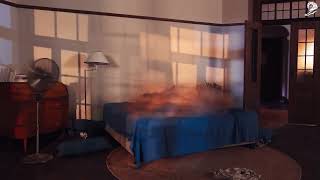
The film contrasted moments of confusion with lucid joy to reveal Alzheimer's true stakes.
Lilly reframed Alzheimer's from a disease of memory loss to an identity-stealing condition, highlighting the profound value of 'good days' to build trust and demonstrate their 30-year commitment to finding treatments for patients and their caregivers.
Capturing the Human Reality of Alzheimer’s
A Director With Deep Ties
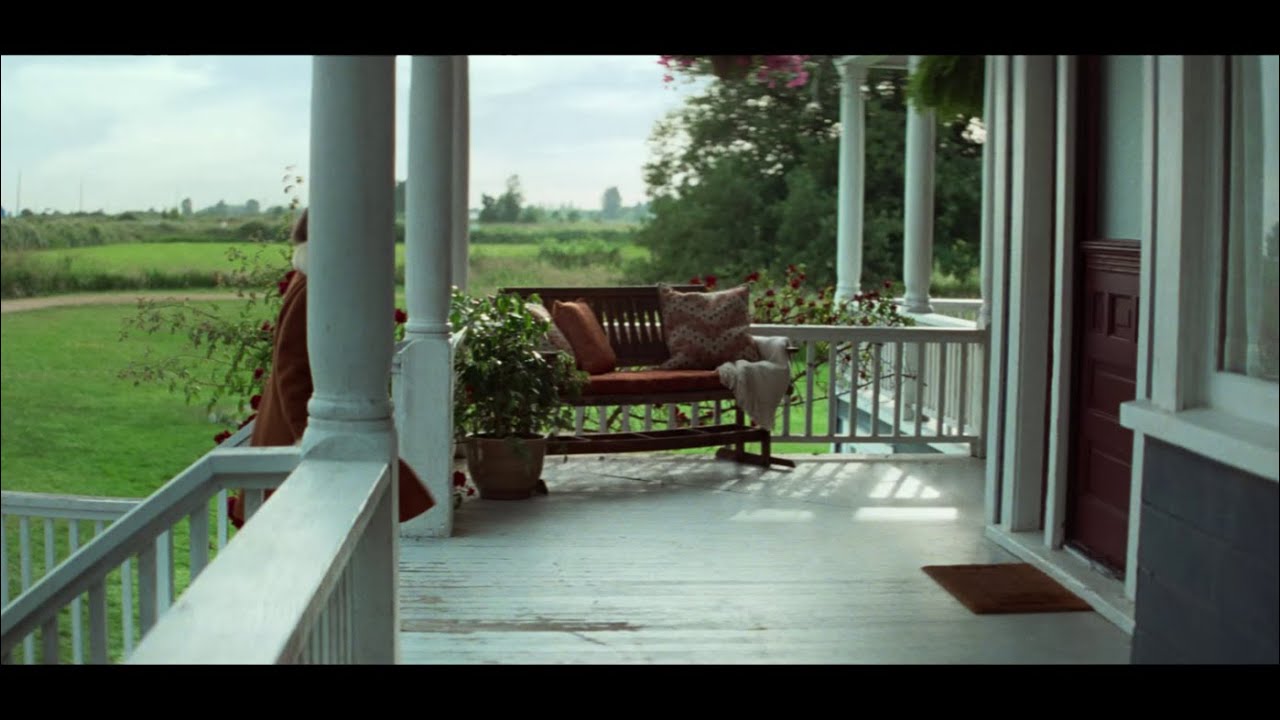
The production team prioritized authenticity by selecting director John Hillcoat, who was concurrently working on a documentary about Alzheimer’s patients. His personal connection to the disease informed every creative decision, from the specific locations and set details to the nuanced performances of the non-celebrity actors. This approach ensured the film resonated with those who have lived through the disease, moving beyond clinical definitions to capture the raw, daily experience of a couple navigating the condition.
Metrics of Trust and Connection
The campaign achieved significant measurable success, increasing Lilly’s Favorability by 12 points and Trust by 8 points. Post-campaign data revealed that 70% of viewers believe Lilly is committed to fighting Alzheimer’s, while 67% feel the brand understands the real-life experiences of patients and caregivers. The film’s broadcast debut during the Macy’s Thanksgiving Day Parade reached an estimated 30 million viewers, positioning the narrative within a family-centered holiday environment to encourage intergenerational dialogue.
Industry and Cultural Resonance
The work was widely recognized for its departure from traditional corporate communication, opting instead for cinematic, emotionally complex storytelling. Copywriter Dylan Lee noted that the campaign aimed to bring a love story to the forefront, highlighting that Alzheimer’s is roughly 30 years behind cancer in terms of public awareness and focus. The project also featured an original score by Danish composer Agnes Obel, which helped ground the non-linear narrative in a tone of profound respect. The campaign’s success was further bolstered by high-profile media placements in titles like The New Yorker and Vogue, ensuring the message reached a broad, influential audience.
4C Framework deconstruction
Company
Lilly leveraged over 30 years of dedicated Alzheimer's research and a long-term commitment to patient-centered health solutions.
Category
Healthcare advertising often relies on clinical, sterile, or overly simplified portrayals of disease that ignore the patient's identity.
Customer
Caregivers and patients wanted to feel seen and understood in their daily struggle for dignity and connection.
Culture
The holiday season provided a poignant backdrop for families to reflect on the preciousness of time and shared memories.
Company
Lilly leveraged over 30 years of dedicated Alzheimer's research and a long-term commitment to patient-centered health solutions.
Category
Healthcare advertising often relies on clinical, sterile, or overly simplified portrayals of disease that ignore the patient's identity.
Strategy:
Humanize complex medical challenges by centering the narrative on the preservation of personal identity.
Customer
Caregivers and patients wanted to feel seen and understood in their daily struggle for dignity and connection.
Culture
The holiday season provided a poignant backdrop for families to reflect on the preciousness of time and shared memories.
Strategy:
Humanize complex medical challenges by centering the narrative on the preservation of personal identity.
Strategy Technique
Make the Invisible Visible
The campaign shines a light on the nuanced, daily emotional struggles of Alzheimer's that are often overlooked. It shifts the focus from clinical symptoms to the human dignity and love at stake.
Explore Technique
Creative Technique
Empathize
The film uses raw, non-linear storytelling to mirror the disorienting reality of Alzheimer's. By focusing on the emotional bond between spouses, it invites viewers to deeply feel the patient and caregiver experience.
Explore Technique
Craft Breakdown
Masterful storytelling driven by tender acting performances, exquisite cinematography, and subtle sound design that vividly conveys the tragic reality of Alzheimer's.
The naturalistic lighting, intimate framing, and texture evoke deep empathy and visually capture the emotional weight of memory loss.
The nuance and authenticity in the performances convey complex emotional shifts from disorientation to profound love without ever feeling dramatized.
“The seamless harmony between sensitive cinematography and raw, authentic acting creates an unforgettable emotional resonance.”