Marmite: Rescue
Marmite needed to address the issue of existing customers neglecting their jars, leading to infrequent use. The client wanted to re-engage these owners and encourage more regular consumption, reinforcing the brand's unique 'love it or hate it' identity. The target audience was current Marmite purchasers.
Creative Idea
The campaign treated neglected Marmite jars as abandoned pets needing rescue and rehoming.
Marmite's 'Rescue' campaign brilliantly leveraged the emotional resonance of animal welfare by creating a parallel world where forgotten Marmite jars were neglected pets, dramatically highlighting product dormancy and encouraging consumers to either 'love it, hate it, just don't forget it' to drive re-engagement.
The Mockumentary That Sparked Five Hundred Complaints
The Gravity of Michael Buerk
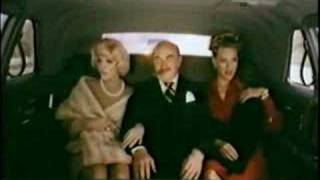
To achieve the perfect parody of animal welfare documentaries like *Animal Hospital*, the agency recruited legendary BBC newsreader Michael Buerk. Known for his somber reporting on the Ethiopian famine, Buerk’s authoritative voice provided a jarring contrast to the absurdity of the "neglect" narrative. Director James Rouse pushed this realism further by instructing actors to play their roles with humorless sincerity. The production utilized handheld cameras, pixelated faces of "offenders," and blurred backgrounds to mimic the gritty, low - budget aesthetic of investigative journalism.
Turning Outrage Into Awareness
 The campaign’s "Love it or Hate it" DNA was tested when it received over 250 complaints within 24 hours, eventually surpassing 500. Critics accused the brand of trivializing the work of child and animal protection charities. However, the controversy fueled a massive earned media wave, landing the campaign on the front pages of major UK newspapers. To manage the PR firestorm, Unilever made an £18,000 donation to the RSPCA, representing the cost of running their inspectorate for a single day. The ASA ultimately cleared the ad, ruling it a "clear parody."
Rescuing the Bottom Line
The strategy successfully moved the needle for a "lapsed" product. Ad awareness peaked at 22%, a significant 9.5% increase over pre - launch levels, while purchase intent rose from 5.9% to 8.5%. Beyond the screen, the "Marmite Neglect" Facebook app allowed fans to "scan" friends' cupboards for forgotten jars. The "baby" jar featured in the ad became so iconic that it prompted a limited - edition "Baby Marmite" retail release. This was the brand's first TV commercial in two years, introducing the modified tagline: "Love it. Hate it. Just don't forget it."
Creative Strategy Deconstructed
Company
Marmite had a strong, polarizing brand identity and a distinct product often left unused in cupboards by consumers.
Category
Food spreads are typically advertised for taste or convenience, not by addressing product neglect or emotional attachment.
Customer
Consumers often have forgotten food items, including Marmite, in their pantries, creating a tension between ownership and usage.
Culture
The cultural trend of pet adoption and rescue, coupled with public empathy for neglected animals, provided a relatable framework.
Company
Marmite had a strong, polarizing brand identity and a distinct product often left unused in cupboards by consumers.
Category
Food spreads are typically advertised for taste or convenience, not by addressing product neglect or emotional attachment.
Strategy:
Dramatize product dormancy by leveraging a culturally resonant emotional framework to drive re-engagement.
Customer
Consumers often have forgotten food items, including Marmite, in their pantries, creating a tension between ownership and usage.
Culture
The cultural trend of pet adoption and rescue, coupled with public empathy for neglected animals, provided a relatable framework.
Strategy:
Dramatize product dormancy by leveraging a culturally resonant emotional framework to drive re-engagement.
Strategy Technique
Exaggerate to Reveal the Truth
It exaggerates the common truth of forgotten food items by framing unused Marmite jars as neglected pets. This creates a memorable, humorous, and emotionally resonant message.
Explore Technique
Creative Technique
Analogy
The campaign uses the analogy of animal rescue services to dramatize the neglect of forgotten Marmite jars. This creates an emotional connection and humorous contrast, making the product's dormancy relatable.
Explore Technique
Craft Breakdown
This campaign's craft is exceptional in its comedic and narrative brilliance, masterfully using mock-umentary style to elevate a simple product's long-standing tagline into a memorable, emotionally resonant (and hilarious) campaign.
The script ingeniously applies language typically used for child or animal neglect to jars of Marmite, creating highly effective satire and amplifying the 'Love it or Hate it' tagline with 'Just don't forget it'.
The actors deliver their lines and emotional reactions with impressive sincerity and commitment, which is crucial for the mock-umentary's comedic impact, making the absurdity feel genuinely real.
The camera work effectively mimics the aesthetic of reality TV or documentary-style shows, using handheld shots, quick cuts, and natural lighting to lend authenticity to the 'Marmite neglect' scenarios.
The creation of 'Marmite Rescue Unit' vans, uniforms, and the 'Marmite Rehoming Centre' (complete with individual cubbies for jars) demonstrates meticulous attention to detail that sells the satirical premise.
“The campaign's genius lies in the seamless synergy between the exceptional copywriting and the authentic, committed acting, which together elevate the satirical premise to a truly memorable and humorous experience.”