Reebok: Escape the Sofa
Reebok needed to motivate people to get off the couch and move. Rather than an inspirational tone, the brand chose horror-comedy - dramatizing the couch as a literal monster that traps you, making the simple act of leaving the house to exercise feel like a heroic escape.
Creative Idea
Reebok turned the sofa into a horror villain that physically attacks and chases a man through his apartment, dramatizing sedentary comfort as a terrifying trap you need to escape.
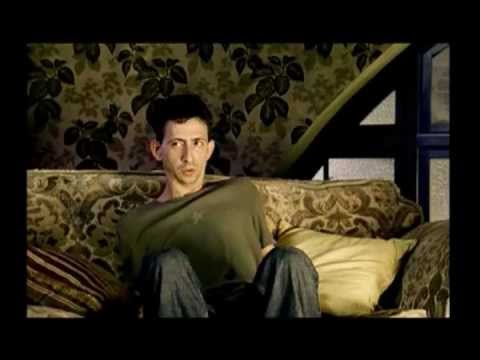
Reebok turned the sofa into a horror movie villain - a man tries to get up and leave his apartment but the couch physically won't let him go, grabbing him, pulling him back, and chasing him through the flat in a terrifying pursuit, until he finally escapes out the door in his Reeboks.
Wrestling an Animatronic Monster into Advertising History
The Practical Magic of Puppetry
To achieve the "predatory" movement of the furniture, director Frank Budgen and the team at Gorgeous Enterprises eschewed the emerging CGI trends of 2001 in favor of a fully functional animatronic puppet. The sofa was a complex mechanical rig operated by a team of hidden puppeteers stationed beneath a false floor and inside the frame itself. This "lo-fi" approach was a deliberate choice to ensure the struggle felt gritty and authentic. The visceral sound design - featuring the creaking of leather and the heavy thud of springs - was meticulously layered to transform a domestic object into a living, breathing beast.
A Masterclass in Dramatizing the Problem
The campaign is frequently cited by industry critics as the ultimate example of "Dramatizing the Problem." By turning the abstract feeling of lethargy into a literal, physical antagonist, Lowe London moved Reebok away from the "elite athlete" tropes of the era. It served as a spiritual successor to the 2000 "Belly's Gonna Get Ya" spot, cementing a "horror-lite" brand identity that resonated with the "everyman." To maintain this relatability, the production cast a no-name actor rather than a celebrity, ensuring the audience saw their own internal struggle on screen.
The Lockdown Resurgence
Decades after its release, the campaign saw a massive organic resurgence during the 2021 COVID-19 lockdowns. As "lockdown fatigue" set in, the 20-year-old ad went viral on social media, with many viewers misidentifying it as a new release. This cultural longevity is reflected in its consistent ranking within the Top 10 Most Liked Ads in the UK and its inclusion in Campaign’s retrospectives as a perfect capture of sedentary guilt without being preachy.
Creative Strategy Deconstructed
Company
Reebok has always positioned itself as the accessible, everyday fitness brand. Rather than showing elite athletes, it credibly speaks to regular people struggling with basic motivation - making Reebok shoes the tool that helps you literally escape inactivity.
Category
Athletic brands typically use aspirational imagery - fit people running through scenic landscapes, pushing their limits. Most ignore the unglamorous truth that the hardest part of exercise is simply getting off the couch.
Customer
People felt physically and mentally trapped by their own comfort. The couch had become an enemy disguised as a friend - the longer you sit, the harder it is to get up. Everyone recognized this guilty, heavy feeling of choosing TV over a run.
Culture
Sedentary lifestyles and screen time were becoming a growing cultural concern. Horror as a genre was thriving in advertising. Combining domestic comfort with horror tapped into a universal tension where the couch is both sanctuary and trap.
Company
Reebok has always positioned itself as the accessible, everyday fitness brand. Rather than showing elite athletes, it credibly speaks to regular people struggling with basic motivation - making Reebok shoes the tool that helps you literally escape inactivity.
Category
Athletic brands typically use aspirational imagery - fit people running through scenic landscapes, pushing their limits. Most ignore the unglamorous truth that the hardest part of exercise is simply getting off the couch.
Strategy:
Turn domestic comfort into a horror movie antagonist - the sofa becomes a monster that physically traps and chases you, making the act of leaving to exercise feel like a heroic escape.
Customer
People felt physically and mentally trapped by their own comfort. The couch had become an enemy disguised as a friend - the longer you sit, the harder it is to get up. Everyone recognized this guilty, heavy feeling of choosing TV over a run.
Culture
Sedentary lifestyles and screen time were becoming a growing cultural concern. Horror as a genre was thriving in advertising. Combining domestic comfort with horror tapped into a universal tension where the couch is both sanctuary and trap.
Strategy:
Turn domestic comfort into a horror movie antagonist - the sofa becomes a monster that physically traps and chases you, making the act of leaving to exercise feel like a heroic escape.
Strategy Technique
Exaggerate to Reveal the Truth
The campaign takes the universal truth that the couch is the biggest enemy of exercise and exaggerates it to an absurd extreme - the sofa becomes a living horror villain. This surreal exaggeration reveals the genuine psychological grip that comfort and inertia have on people.
Explore Technique
Creative Technique
Dramatize the Problem
The ad takes the invisible, everyday problem of not wanting to get off the couch and makes it viscerally physical - the sofa literally attacks and chases the protagonist like a horror movie creature, making the mundane struggle dramatic and unforgettable.
Explore Technique
Craft Breakdown
This campaign's craft is exceptional due to its innovative use of practical effects and physical comedy to personify a common struggle, elevated by strong direction and editing.
The rapid-fire editing and precise timing are crucial in conveying the man's escalating struggle and the sofa's aggressive, almost sentient movements, making the fantastic believable.
The set design effectively creates a drab, cluttered, and slightly claustrophobic environment that symbolizes the 'trap' of inactivity, making the sofa's role more impactful.
The actor's committed performance, conveying escalating desperation and physical comedy without dialogue, is key to the ad's emotional impact and humor.
The dynamic camera work, including tracking shots and low angles, effectively enhances the sense of struggle and the sofa's oppressive presence.
“The magic of this campaign comes from the seamless integration of editing, physical comedy acting, and production design, creating a vivid and engaging personification of inertia.”