Amstel: Shot Without Permission
Amstel needed to reclaim its position as the beer of authentic friendship amidst a sea of staged advertising and AI-generated content. Working with INGO Amsterdam, they sought a way to prove their commitment to "real" moments. The goal was to engage global drinkers by showing that the brand values genuine, unpolished human connection over curated social media perfection.
Creative Idea
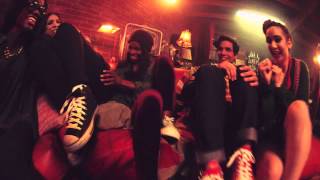
Documented authentic friendship by photographing bar patrons without their knowledge to avoid staged performances.
To combat the rise of synthetic AI imagery, Amstel covertly photographed real friends in bars, only seeking consent afterward to ensure every smile and glance was 100% authentic, rewarding the "unintentional models" with a year of beer.
The Year of Free Beer for Unintentional Models
Shooting First and Asking Later
To capture the "messy realism" of genuine friendship, lead creative agencies INGO Amsterdam and Ogilvy Amsterdam bypassed traditional production entirely. Acclaimed documentary photographer Javier Tles moved discreetly through neighborhood bars across Europe, operating without professional lighting, stylists, or makeup artists. The goal was to avoid the "performative" nature of social media by documenting unguarded facial expressions and half-finished drinks. Only after the shutter clicked did a production team approach the subjects to explain the project and secure legal consent for the global brand refresh.
The Anti AI Usage Fee
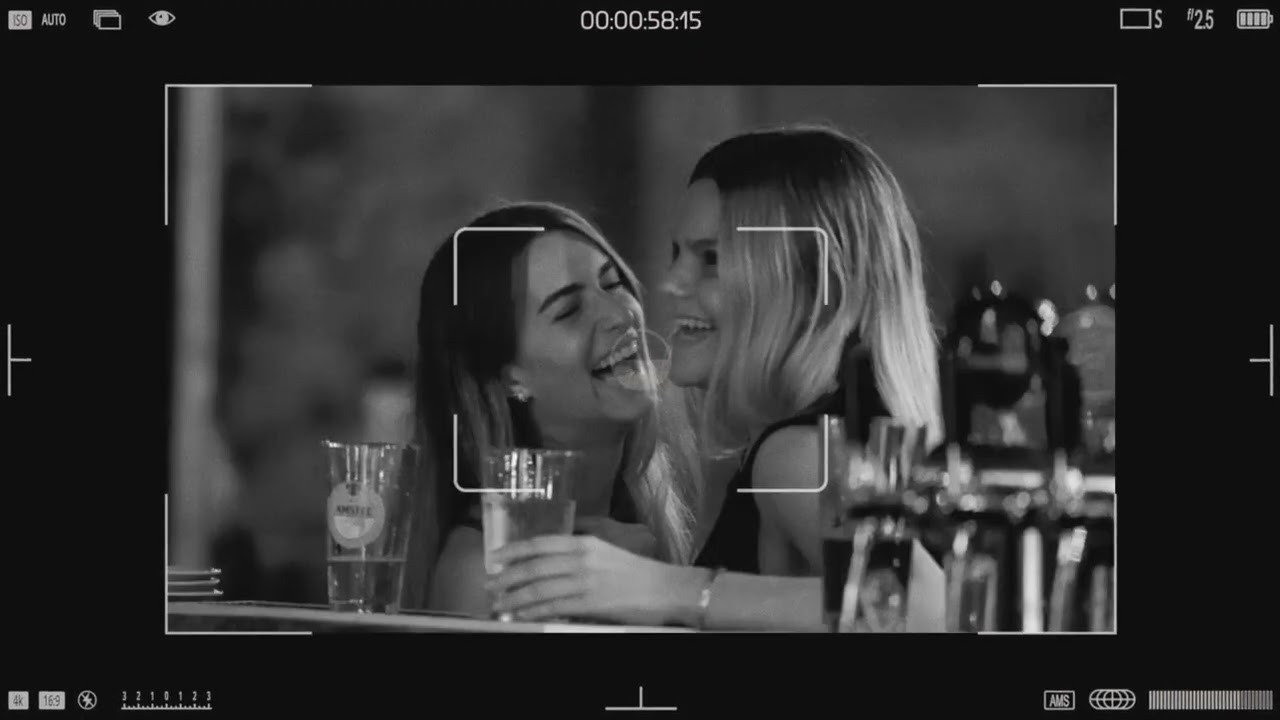 The campaign served as a bold rejection of AI-generated imagery, which Daniel Fisher (Global CCO, INGO) described as breaking every rule in marketing to prioritize honesty. This "covert" methodology initially sparked debate in trade publications like *The Grocer*, which questioned the ethics of the "sneaky" photography before the consent process was fully understood. To turn this tension into a PR win, Amstel launched a "claim your usage fee" mechanic. Anyone who recognized themselves in the OOH or social ads could email compensation@amstel.com to receive a year’s supply of Amstel beer.
Global Reach and Local Roots
Launched on April 8, 2026, the initiative achieved a reach of 128 million within weeks. While the campaign rolled out to over 70 countries, it remained grounded in local details; every photograph featured an "Easter egg" attribution to the specific bar or pub where it was taken. This strategy tapped into Amstel’s 1870 founding principle of the "Golden Circle" - the belief that people are their truest selves when surrounded by their closest friends. Research commissioned for the launch supported this, finding that 68% of people feel more authentic with friends than with romantic partners.
Creative Strategy Deconstructed
Company
A brand born in 1870 from a friendship, valuing the "golden circle" where people can be their true selves.
Category
Beer brands typically cast actors and use scripts to manufacture a "perfect" but hollow version of social connection.
Customer
Consumers are increasingly skeptical of curated social media and AI, craving honesty and unpolished, real-life human interactions.
Culture
A post-truth era where "messy realism" is the only way to prove a brand's commitment to authenticity.
Company
A brand born in 1870 from a friendship, valuing the "golden circle" where people can be their true selves.
Category
Beer brands typically cast actors and use scripts to manufacture a "perfect" but hollow version of social connection.
Strategy:
Subvert advertising artifice by using documentary photography to capture and reward genuine, unscripted moments of friendship.
Customer
Consumers are increasingly skeptical of curated social media and AI, craving honesty and unpolished, real-life human interactions.
Culture
A post-truth era where "messy realism" is the only way to prove a brand's commitment to authenticity.
Strategy:
Subvert advertising artifice by using documentary photography to capture and reward genuine, unscripted moments of friendship.
Results
The campaign successfully captured authentic moments of friendship across various locations. All individuals featured in the final campaign provided consent and were granted the necessary rights for the use of their image. The campaign positioned Amstel as a brand that values authenticity over staged perfection, though specific numerical metrics like reach or sales lift were not disclosed in this video.
Strategy Technique
Break a Category Convention
Amstel rejected the industry standard of using actors and scripts, instead adopting a "shoot first, ask later" approach. This subverted the expectation of polished production to validate the brand's promise of authenticity.
Explore Technique
Creative Technique
Exhibit the Truth
By using hidden cameras to document unguarded interactions, the campaign bypasses the artificiality of traditional advertising. It presents raw, unpolished reality as the ultimate proof of the brand's core value of friendship.
Explore Technique
Craft Breakdown
The campaign relies on the tension between "covert" production and "overt" reward, using high-end documentary photography to validate brand values.
Javier Tles captured intimate, unposed moments from afar, preserving the raw "messy realism" of genuine bar interactions.
The "shoot first, ask later" methodology and beer-supply reward turned a production process into a global news story.
“The raw photography provided the visual proof, while the PR mechanic turned a production method into a rewarding consumer event.”