2026Musée de la Grande GuerreNot-for-Profit & GovernmentVideo ad
Musée de la Grande Guerre: Suffering
The Musée de la Grande Guerre tasked BBDO Paris with increasing visitor engagement by repositioning the museum as a place of emotional resonance. The client needed to bridge the gap between historical WWI archives and modern understandings of PTSD. The goal was to reach a broad French audience by highlighting the invisible, long-term psychological suffering of veterans, moving beyond traditional commemorative narratives to foster deeper public empathy.
Creative Idea
Physical erosion of veteran portraits mirrored the lasting psychological decay of shell shock.
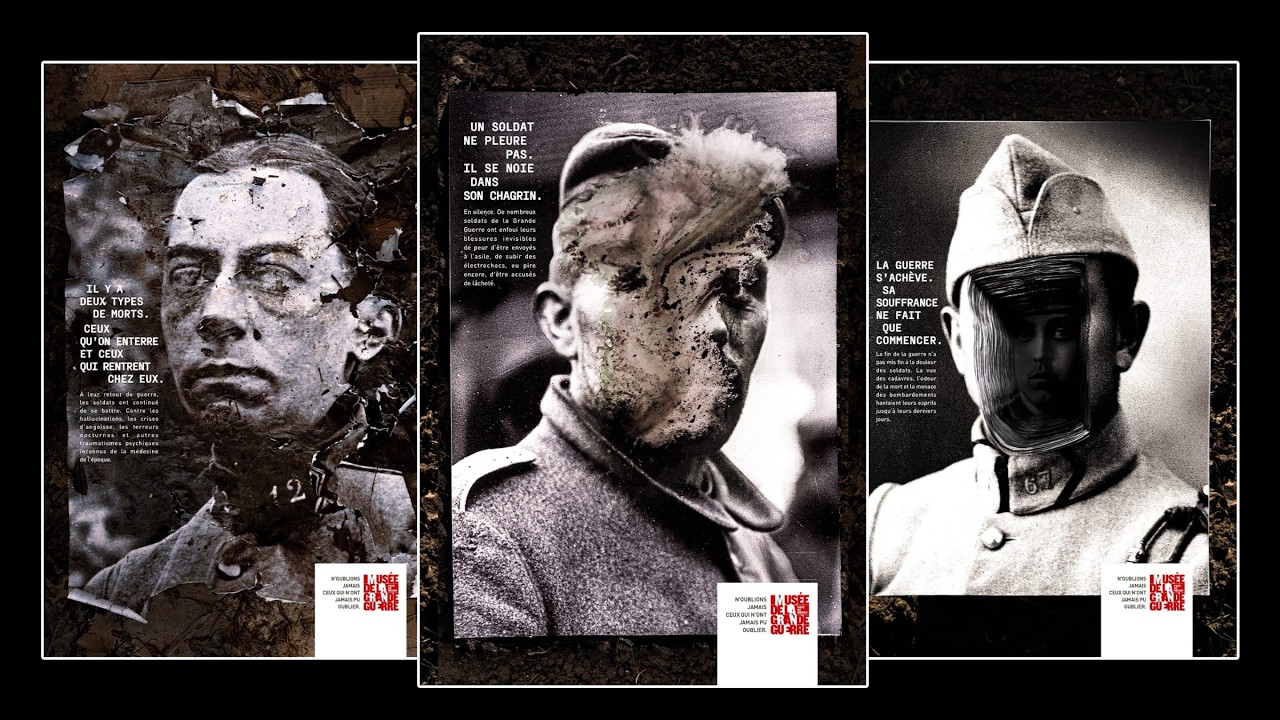
The campaign physically eroded portraits of WWI veterans to mirror the psychological decay of shell shock, transforming static archival images into visceral metaphors for the invisible, lasting trauma that persists long after the battlefield silence falls.
Physical Erosion as a Metaphor for Trauma
The Anatomy of 1916
The centerpiece of the campaign, titled Suffering, utilized exactly 1,916 individual paper prints of a single veteran portrait. By hand-cutting and layering these prints into a dense, trench-like structure, the agency created a physical manifestation of the year 1916 and the claustrophobic, repetitive nature of combat. This deliberate, slow-craft approach avoided digital manipulation entirely, opting for real-world erosion to mirror the psychological decay of shell shock.
Trials of Paper and Trench
The production process was as grueling as the subject matter. For the companion piece Distress, the team buried a portrait inside an authentic military trench for 10 consecutive days, matching the average deployment length of a front-line soldier. Another work, Sorrow, involved subjecting a print to dripping solvent for 24 hours to simulate the relentless artillery bombardment of the Battle of the Somme. These experimental methods ensured that the visuals were not merely representations of trauma, but objects that had undergone their own physical ordeals.
Beyond the Battlefield
The campaign extended into a short film featuring actor Finnegan Oldfield, underscored by the haunting track Remains from Oscar-winning composer Volker Bertelmann. This multimedia approach helped the museum surpass the 100,000 annual visitor threshold during the 2025-2026 period. By partnering with the UBFT (Union of the Wounded of the Face and Head), the agency successfully re-contextualized the silent suffering of veterans across 900 French towns that house traditional war memorials, effectively bridging the gap between historical archival photography and the modern understanding of PTSD.
Creative Strategy Deconstructed
Company
The museum possessed deep historical archives and the authority to reframe the narrative of WWI beyond mere military statistics.
Category
Museums typically present history through static, objective displays that often sanitize the emotional reality of past conflicts.
Customer
The audience needed a way to connect with the human, emotional cost of war rather than just its strategic outcomes.
Culture
A growing national focus on mental health and PTSD awareness provided the necessary context for this historical re-evaluation.
Company
The museum possessed deep historical archives and the authority to reframe the narrative of WWI beyond mere military statistics.
Category
Museums typically present history through static, objective displays that often sanitize the emotional reality of past conflicts.
Strategy:
Externalize internal psychological trauma to force an empathetic confrontation with the human cost of history.
Customer
The audience needed a way to connect with the human, emotional cost of war rather than just its strategic outcomes.
Culture
A growing national focus on mental health and PTSD awareness provided the necessary context for this historical re-evaluation.
Strategy:
Externalize internal psychological trauma to force an empathetic confrontation with the human cost of history.
Strategy Technique
Make the Invisible Visible
The strategy forces the audience to confront the hidden, long-term psychological damage of war. By externalizing internal trauma, the museum shifts the focus from historical facts to the human experience of suffering.
Explore Technique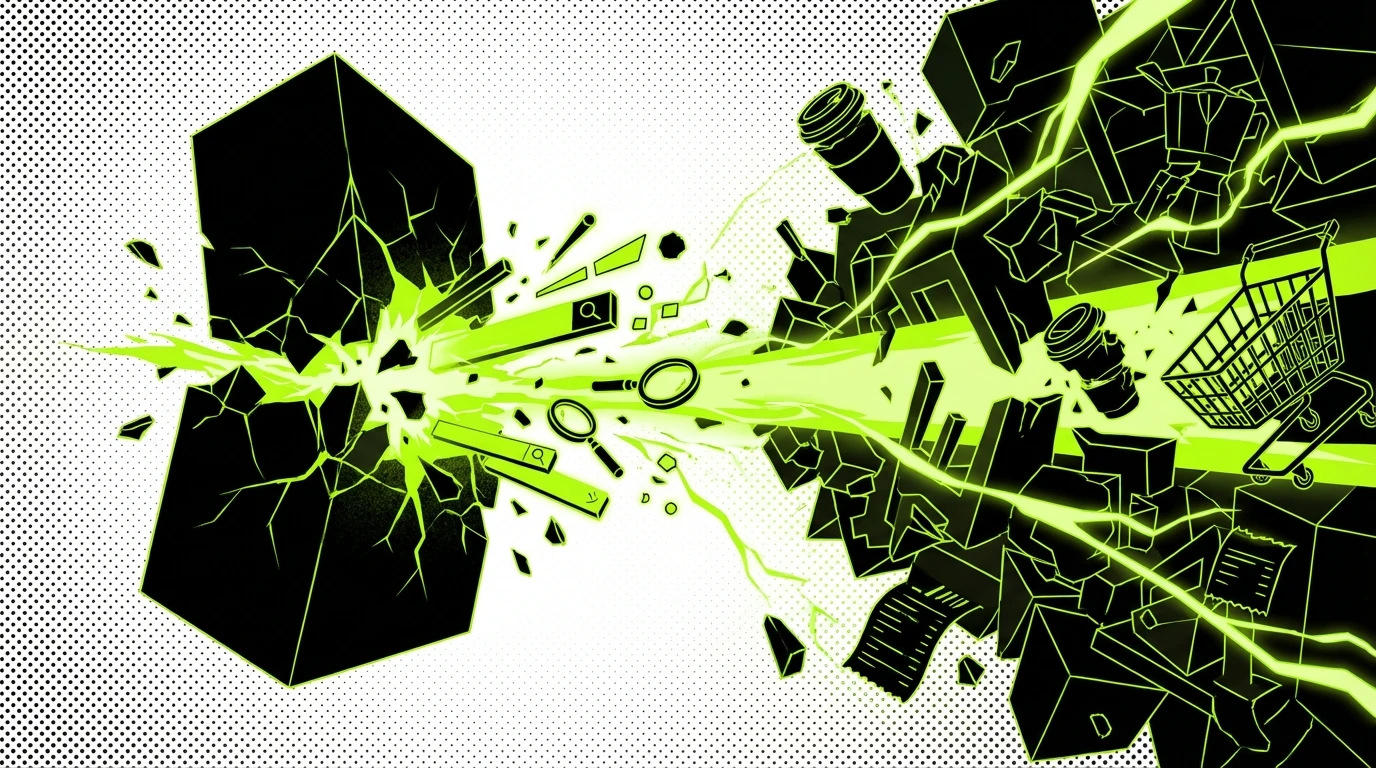
Creative Technique
Use Art
The campaign transforms archival photography into physical sculptures to manifest psychological trauma. This artistic intervention makes the abstract concept of shell shock tangible and impossible to ignore.
Explore Technique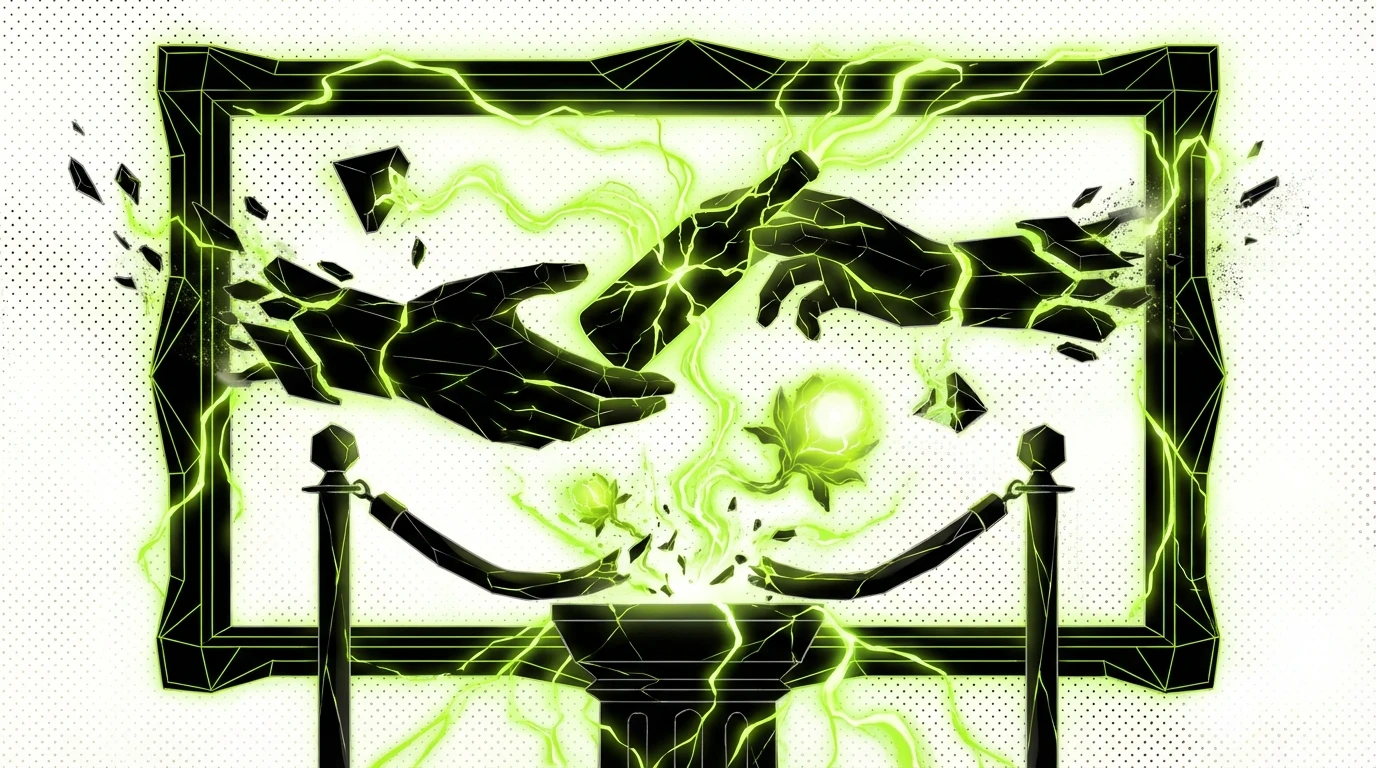
Craft Breakdown
This campaign relies on extraordinary physical craftsmanship to create a tactile paper sculpture that physically embodies the psychological trench of post-war trauma.
The physical construction of a 3D trench by layering and hand-sculpting 1,916 individual paper prints creates a stunning physical metaphor.
Macro lens camera work moves seamlessly into the physical paper tunnel, making paper feel like a real endless trench.
“The meticulous hand-carved art direction is elevated by close macro cinematography that invites the audience inside the physical depth of the portrait.”