2026Shapeshift FestivalMedia & EntertainmentCase video
Shapeshift Festival: The Human Algorithm
Next DC needed to position the 2026 Shapeshift Festival as a vital hub for exploring the intersection of AI and human creativity. The goal was to engage a community of designers and technologists in Sofia by moving beyond passive observation. The client required a campaign that turned the festival's theme into an active, participatory experience, ensuring the brand remained a leader in European creative tech.
Creative Idea
A QR code served as the generative engine for the festival's entire visual identity.
Shapeshift Festival used a QR code as a generative engine for its entire visual identity, forcing a collision between machine logic and human interaction to demonstrate that technology only gains meaning when humans actively engage with it.
The QR Code as a Generative Engine
From Inert Code to Visual DNA
The visual identity for the 2026 festival was built entirely from a single generative source - a QR code. By treating this semantic object as the foundation, the agency mirrored the festival's core theme of human-machine collision. A QR code remains inert until scanned, serving as a metaphor for the festival's philosophy: technology only gains meaning through human interaction. The agency utilized this code as a generative engine, allowing pixel grids and bitmap typography to emerge directly from its structure, ensuring the medium was inseparable from the message.
A Hub for Global Visionaries
The campaign served as a catalyst for cross-disciplinary dialogue, bringing together international experts including Maciej Zasada and Karol Góreczny of UXMachina, known for their work on Google and Disney projects. The event featured Alexandre Mballa-Ekobena from adidas Originals, Yinong Dong of Amazon, and Merel van Helsdingen, founder of the Nxt Museum. These leaders engaged in sessions alongside bio-design researcher Karen Antorveza and cultural strategist Vesselina Sarieva, exploring the tension between computational systems and human ethics.
Interactive Algorithmic Installations
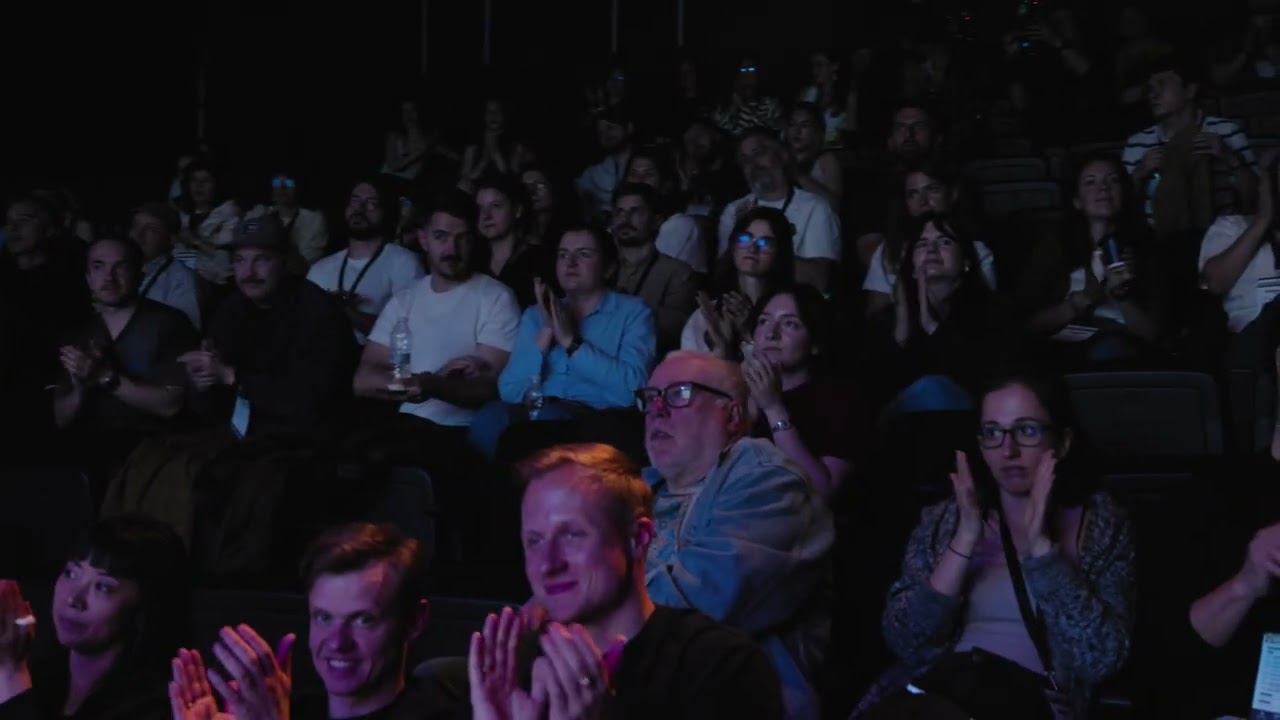
Beyond the digital platform, the festival introduced the Algorithm Monster, an interactive exhibition piece designed by Next DC. This installation allowed attendees to physically interact with adaptive systems, moving the concept of the "Human Algorithm" from abstract theory to tangible experience. The festival, held at the Toplocentrala Regional Centre for Contemporary Arts in Sofia, successfully positioned the city as a vital hub for European creative tech, fostering a community of designers and scientists who identify not as passive spectators, but as active shapeshifters.
4C Framework deconstruction
Company
Next DC possessed the technical expertise to build interactive generative tools that bridge the gap between complex code and human-centric design.
Category
Most creative festivals rely on static branding and passive visual identities that fail to reflect the dynamic nature of digital innovation.
Customer
Creatives and technologists felt a tension between automated AI systems and the need to maintain human agency in the creative process.
Culture
The rapid rise of AI tools created a cultural urgency to define the human role within algorithmic loops and machine-driven decision making.
Company
Next DC possessed the technical expertise to build interactive generative tools that bridge the gap between complex code and human-centric design.
Category
Most creative festivals rely on static branding and passive visual identities that fail to reflect the dynamic nature of digital innovation.
Strategy:
Transform abstract technological themes into interactive tools to prove human agency within automated systems.
Customer
Creatives and technologists felt a tension between automated AI systems and the need to maintain human agency in the creative process.
Culture
The rapid rise of AI tools created a cultural urgency to define the human role within algorithmic loops and machine-driven decision making.
Strategy:
Transform abstract technological themes into interactive tools to prove human agency within automated systems.
Strategy Technique
Build an Utility, Not an Ad
By creating a generative design tool rather than static advertising, the brand turned the festival's core theme into a functional experience. This allowed participants to actively shape the festival's visual identity.
Explore Technique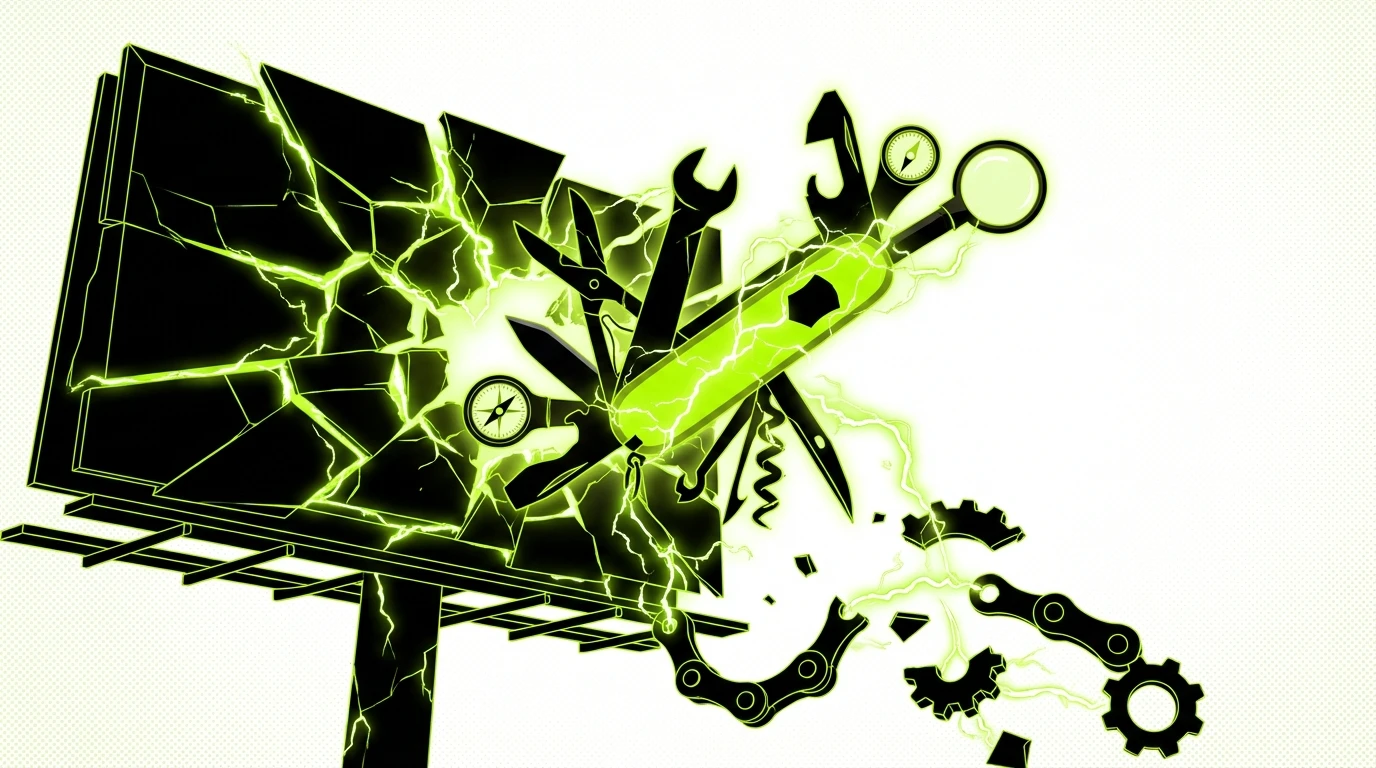
Creative Technique
Turn Message into Product
The festival transformed the QR code from a simple utility into the primary visual source for all design assets. This made the medium inseparable from the message of human-machine collaboration.
Explore Technique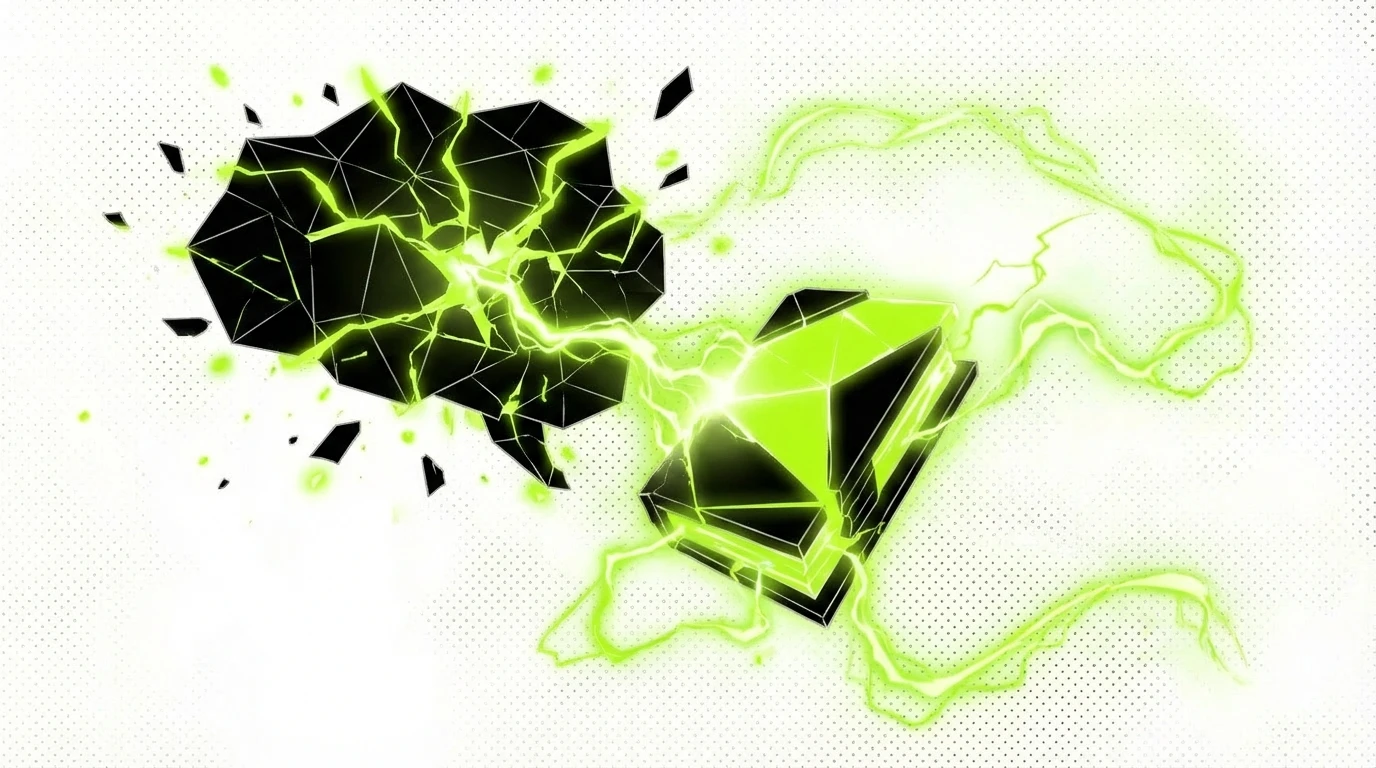
Craft Breakdown
Shapeshift Festival's campaign stands out for its cohesive graphic identity, blending coding syntax and algorithmic design systems seamlessly into physical spaces and digital touchpoints.
The unified brand visual identity uses code syntax bracket motifs, kinetic typographic layouts, and algorithmic pattern systems across prints, stages, and interactive screens.
The physical exhibition and venue spaces smoothly integrate interactive touchscreen displays, VR installations, and branded stage props.
“The interaction between digital identity design and physical event installations creates a immersive, tangible manifestation of 'The Human Algorithm' concept.”