A deep dive into why Anthropic's Adobe integration and Snap's conversational ads are shifting the creative production and media landscape for brand strategists.
The Great Unbundling of the Interface
For the last two years, we’ve treated AI like a high-maintenance consultant: you have to go to its office (the browser tab), explain the context, and then carry its output back to your actual work. This week, the walls fell down. We are entering the 'Ambient AI' era where the tool lives inside the craft. For strategists, this means the friction between 'thinking' and 'making' is evaporating. The danger? When the cost of production hits zero, the value of a mediocre idea actually becomes negative. If you aren't using this speed to test more radical brand positioning, you're just making more clutter, faster.
Claude Moves Into the Studio
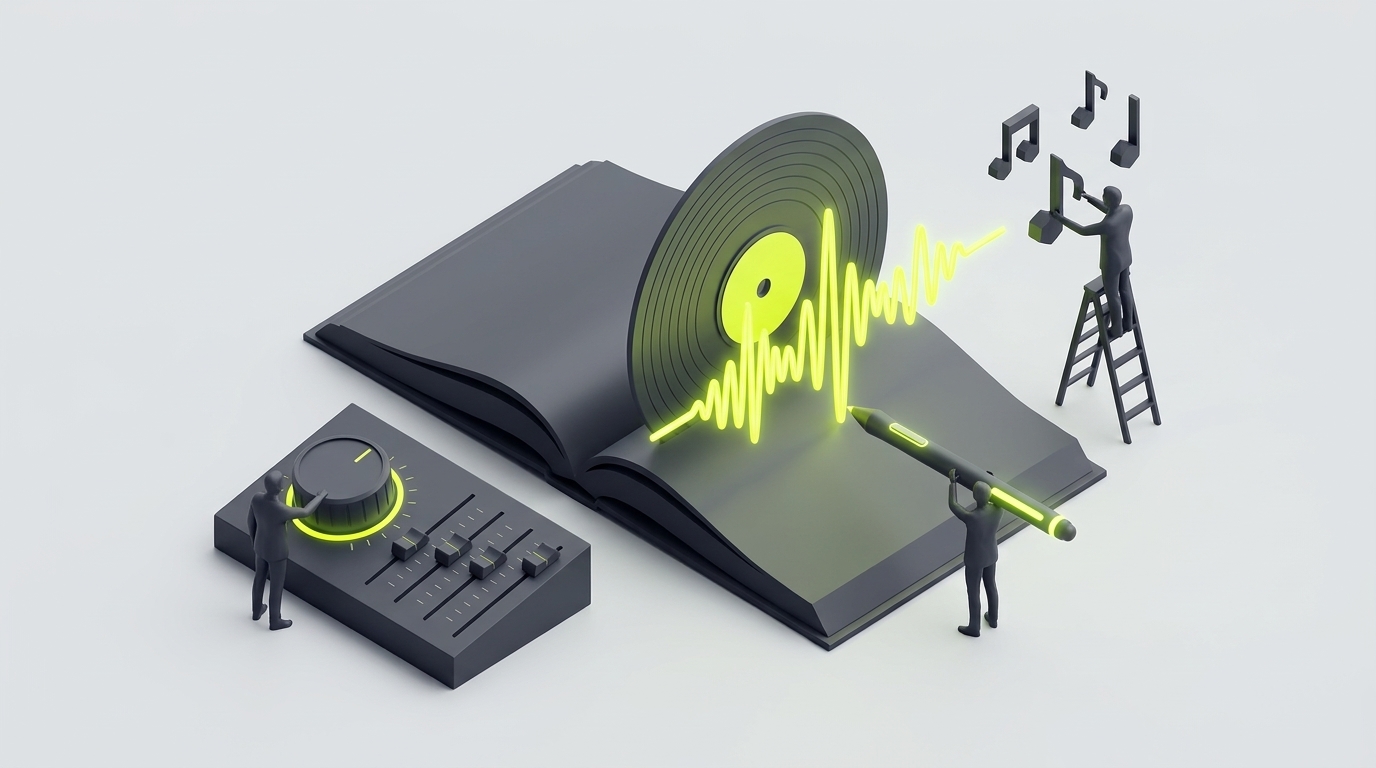
Anthropic just plugged Claude directly into Adobe, Blender, and Ableton. This isn't just a workflow tweak; it’s a shift in creative production costs. When a LLM can manipulate layers in Photoshop or keyframes in Blender, the 'production' phase of a campaign starts to merge with the 'briefing' phase. For agencies, the billable hour for technical execution is screaming for mercy. For brands, this is the moment to demand higher asset volume without the linear cost increase, shifting budget from 'making' to 'thinking'.
Google Photos and the Virtual Fitting Room
Google is turning your photo gallery into a virtual wardrobe. This is a massive play for category entry points. Instead of a consumer wondering 'would that look good on me?' while browsing a retailer's site, they are now discovering it while looking at their own memories. It shortens the distance from inspiration to purchase, essentially turning the personal photo library into a high-intent retail media channel. If you're in fashion, your distinctive assets now need to be 'AI-wearable'—if the algorithm can't render your fabric correctly, you don't exist.
Gemini Becomes the Account Executive
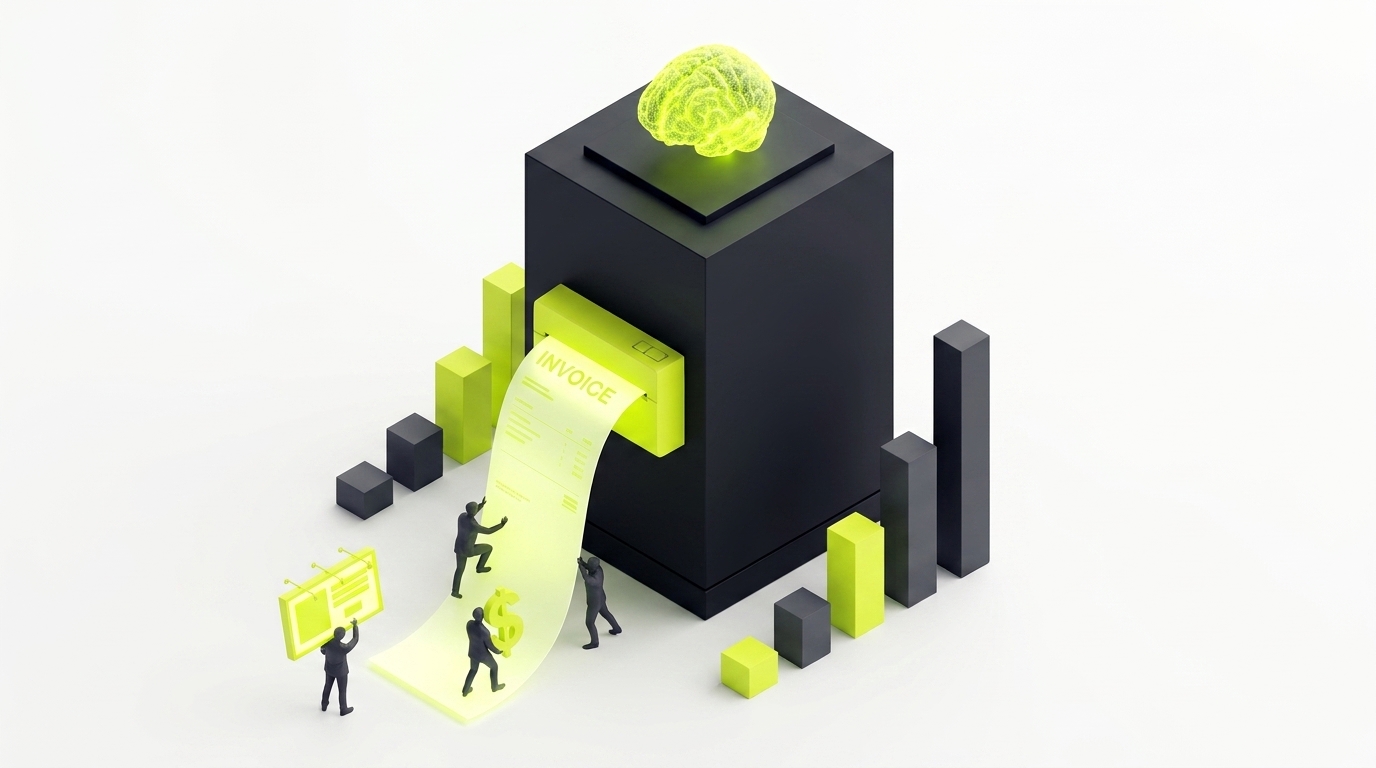
Google Gemini can now export PDFs and Excel sheets directly from chat. This kills the 'admin tax' on strategy. The time spent formatting a competitive audit or a budget breakdown is officially wasted time. This shifts the value of a strategist back to the quality of the synthesis. If the AI can write the Doc, your job is to make sure the Doc doesn't say something boring. It’s time to reallocate those junior hours toward deeper audience insights rather than deck formatting.
“The most expensive thing in marketing isn't a Super Bowl ad; it's a creative director spent three hours formatting a spreadsheet that nobody will read.”
Snapchat and the Conversational Ad
Snap is launching AI Sponsored Snaps, bringing ads into the chat interface. We are moving from 'interruption' to 'interaction'. This changes the creative brief from 'what do we want them to see?' to 'what do we want to talk about?'. It’s a move toward mental availability through dialogue. If a brand can hold a coherent, funny conversation in a user's inbox, the 'share of mind' isn't just a metric; it's a relationship. But beware: a boring chatbot is just a digital telemarketer.
X Rebuilds the Engine
X is completely rebuilding its ad manager with AI at the core. This is a desperate, necessary play for performance parity. For planners, this means X might finally move from a 'PR and chaos' channel to a legitimate programmatic contender. The focus here is on automated targeting—trusting the machine to find the audience. It’s a test of brand vs. performance: will the AI find you customers, or will it just find you cheap clicks that don't build long-term brand equity?
The Geopolitics of Intelligence
China blocked Meta’s acquisition of Manus. This is a reminder that the 'Global Brand' is increasingly fractured by tech sovereignty. For CMOs, this means the tech stack you use in the West might be illegal or non-functional in the East. Brand consistency is getting harder when the underlying AI infrastructure is being sliced up by trade wars. Diversity in your AI partners isn't just a tech choice; it's a risk management strategy.
OpenAI’s Hardware Play
Reports suggest OpenAI is building a phone for 2028. This is the ultimate battle for the interface. If OpenAI owns the device, they own the data, the attention, and the ad inventory. For brands, this is a signal to stop optimizing for 'search' and start optimizing for 'answers'. If the phone is the agent, the brand must be the preferred recommendation. We’re moving from Share of Search to Share of Model.
The Kicker
This week’s homework: Take your most repetitive creative production task (storyboarding, resizing, or basic copy variations) and try to automate it using the new integrated tools. Then, take the 4 hours you saved and spend them writing a brief that actually challenges a category convention. The AI is handling the 'how'; you're now solely responsible for the 'why'.